After fourteen years of calling Bangkok home, I have watched this sprawling metropolis evolve into one of the most electric, multifaceted destinations in Southeast Asia. It is a city defined by a compelling sense of duality—a place that remains constantly in motion, fueled by a relentless stream of new hotel openings, world-class culinary innovations, and an ever-shifting retail landscape, all while keeping the weight of its rich traditions firmly at its core. To experience Bangkok is to witness the seamless layering of time, where the ancient and the ultra-modern do not merely coexist, but actively inform one another.
For the modern traveler, Bangkok offers an unparalleled diversity of experiences, regardless of age, background, or budget. The city’s culinary scene serves as the perfect illustration of this range. One might spend a quiet lunch perched on a plastic stool, enjoying a crab omelet prepared by an 80-year-old matriarch who has perfected her craft over decades on the same street corner. By evening, that same traveler could find themselves in a refined, air-conditioned dining room at the only three-Michelin-star establishment in Thailand, experiencing a sophisticated interpretation of Thai flavors.
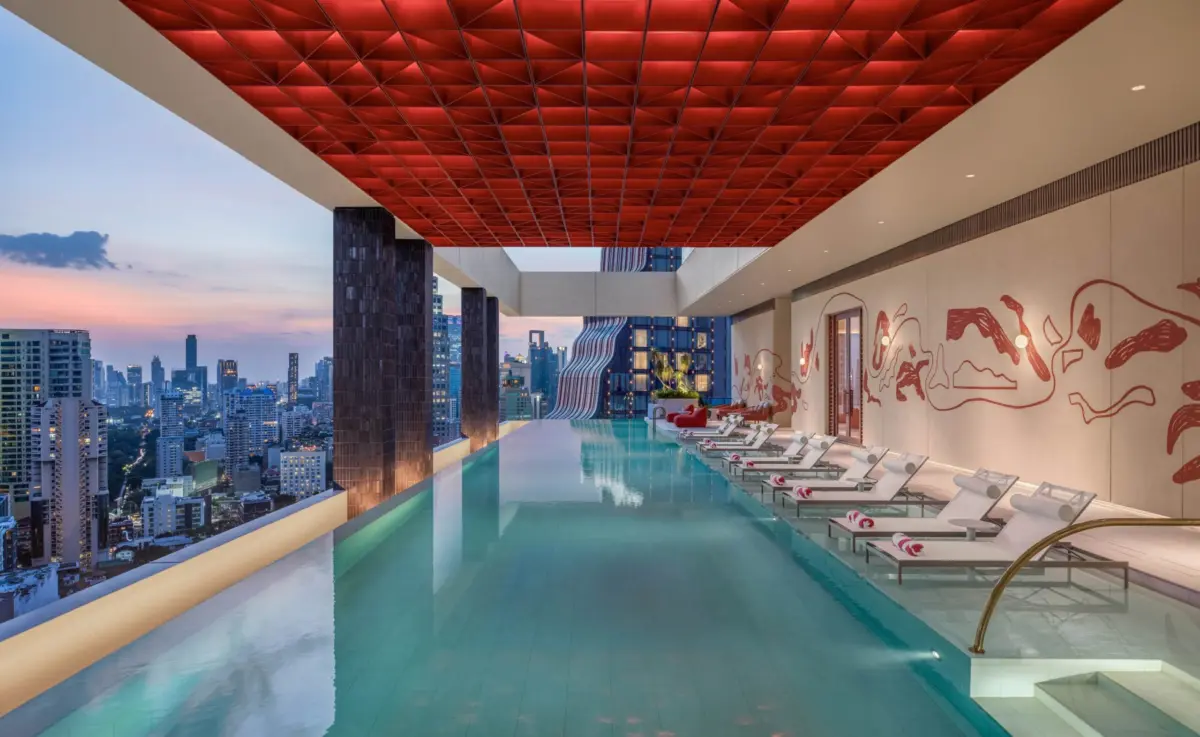
This tension between the old and the new is visible throughout the urban fabric. Ancient, gilded temples—hallowed grounds that have stood for centuries—rise in sharp contrast against the backdrop of gleaming, glass-fronted shopping malls. Meanwhile, in neighborhoods that once felt forgotten, the younger generation is breathing new life into traditional shophouses, transforming them into creative hubs that honor the city’s architectural heritage while catering to contemporary tastes. This dichotomy is particularly evident in the hotel scene. Whether a visitor prefers the intimacy of a historic boutique property nestled in a quiet alleyway or the high-octane luxury of a glamorous new high-rise, the city provides an exhaustive array of amenities, design aesthetics, and culinary experiences.
Perhaps most captivating, however, is the warmth and hospitality of the Thai people. Often characterized by the moniker "The Land of Smiles," Thailand is a place where genuine kindness remains a foundational element of daily life. In my years here, I have found this reputation to be more than just a marketing slogan; it is a lived reality that defines the traveler’s experience. The city reveals itself through a sequence of small, thoughtful moments—a polite nod from a vendor, the quiet efficiency of a transit worker—interspersed with grand, sweeping experiences. It is this unique combination of heart and energy that makes Bangkok one of my favorite destinations in the world.
Navigating the Neighborhoods
Understanding where to stay in Bangkok requires a grasp of its distinct neighborhoods, each offering a vastly different pulse. The riverside districts of Rattanakosin and the adjacent Banglamphu serve as an ideal starting point for those looking to immerse themselves in history. These areas are home to iconic landmarks such as the sprawling Grand Palace complex and the revered Wat Po. Beyond the temples, these neighborhoods offer a mix of old forts, expansive parks, and the legendary, high-energy backpacker hub of Khao San Road, providing a comprehensive introduction to the city’s past and present.
For those who prefer a more cosmopolitan atmosphere, the district of Thonglor offers a striking contrast. Often compared to the trend-conscious neighborhoods of Brooklyn, Thonglor has been significantly shaped by a large Japanese expatriate community, which has fostered a high density of exceptional omakase restaurants, curated vintage boutiques, and bespoke tailoring shops. It is widely considered the city’s nexus for sophisticated nightlife, housing a collection of high-end cocktail bars that reflect the city’s move toward global luxury.
Further afield, the tiny lanes of Chinatown, particularly Soi Nana, have earned global acclaim for their unique concentration of craft beer bars and mixology dens. These establishments are cutting-edge in their approach to beverages yet remain delightfully ramshackle, tucked away in the heart of a district that feels as though it has barely changed in a century. A visitor could spend an entire week in Chinatown alone, navigating its maze of 300-year-old Taoist temples, cozy coffee houses, and legendary dim sum parlors, all while absorbing the chaotic, vibrant energy of the old-world food markets. For those whose primary interests lean toward art and retail therapy, the Siam area offers the city’s largest art museum alongside a vast network of interconnected malls.
Logistics and Practicalities
The city’s traffic is, by now, infamous, yet it is rarely an insurmountable obstacle for those who plan their movements with care. In the riverside and Chinatown districts, walking remains the most effective way to appreciate the local atmosphere. The streets are largely flat, and the major sites are situated in relatively close proximity to one another.
For longer distances, particularly along the main artery of Sukhumvit Road—which connects mid-city neighborhoods like Thonglor, Siam, Prom Phong, and Sathorn—the BTS SkyTrain is an indispensable tool. The system is remarkably user-friendly, with English-language signage and maps posted at every station, and a straightforward ticket-purchasing process. The elevated train operates daily from 6:00 a.m. until midnight, utilizing three distinct lines that effectively bridge the gaps between the city’s sprawling districts. For a more quintessentially Thai experience, visitors should also make time to ride in a tuk-tuk; these motorized rickshaws offer an exhilarating, albeit breezy, way to navigate the urban environment.
Regarding the duration of a visit, I recommend a minimum of three days to capture the essence of the city. This timeframe allows a traveler to explore the major temple complexes, dive into the street food culture of Chinatown, indulge in a restorative foot massage, and dedicate time to gallery-hopping at newer institutions like the Dib Bangkok art museum or shopping in the central districts.
While Bangkok is a year-round destination, the optimal time for a visit is generally considered to be between November and February. During this period, the monsoon season has fully receded, and the city enters its "cooler" season. It is worth noting that "cooler" in this tropical climate typically means a slight, albeit welcome, reduction in the humidity and temperature that characterize the rest of the year.
A Standard of Excellence
When selecting accommodations in a city as diverse as Bangkok, the criteria for excellence go beyond mere aesthetics. Every hotel recommendation provided by our journalists is the result of firsthand experience; our contributors are required to visit the property to ensure that the claims made about service, design, and atmosphere hold true. We prioritize properties that offer an authentic, insider’s view of the city, balancing price points while keeping sustainability and location at the forefront of our analysis.
Bangkok remains a city that rewards the curious. Whether you are seeking the tranquility of a temple garden at dawn or the neon-lit pulse of a high-end cocktail bar at midnight, the city offers a continuous, evolving narrative of discovery. As the city continues to grow and redefine itself, it remains a testament to the resilience of Thai culture—a place where the future is constantly being built upon the foundations of the past, all while maintaining the warm, welcoming spirit that defines the Land of Smiles.