A color has a biography. It can have an origin, but it can also transform. It can move between materials and disciplines, translating from a local practice into architectural vernacular, shifting from something ordinary into something deeply symbolic. Over time, a shade can shed one association and acquire another, or it can persist quietly in a space without anyone consciously thinking of it as cultural. Its life unfolds through the evolving conditions in which it is produced, used, repeated, and inhabited. As these conditions change, so do the meanings a color can carry.
Published on October 12, 2026, architectural discussions increasingly focus on how the domestic interior serves as a critical theater where these diverse histories converge. A color inside a room does not simply exist as an aesthetic choice; it often carries the invisible traces of a territory, a traditional material practice, a specific climate, or a long history of inhabitation. Its presence within a contemporary home or apartment does not necessarily depend on a deliberate intention to represent any of these narratives. Instead, the color can become an intrinsic part of a place through the sheer continuity of materials and ways of living, acquiring a resonance and significance that extends far beyond the physical surface on which it appears.
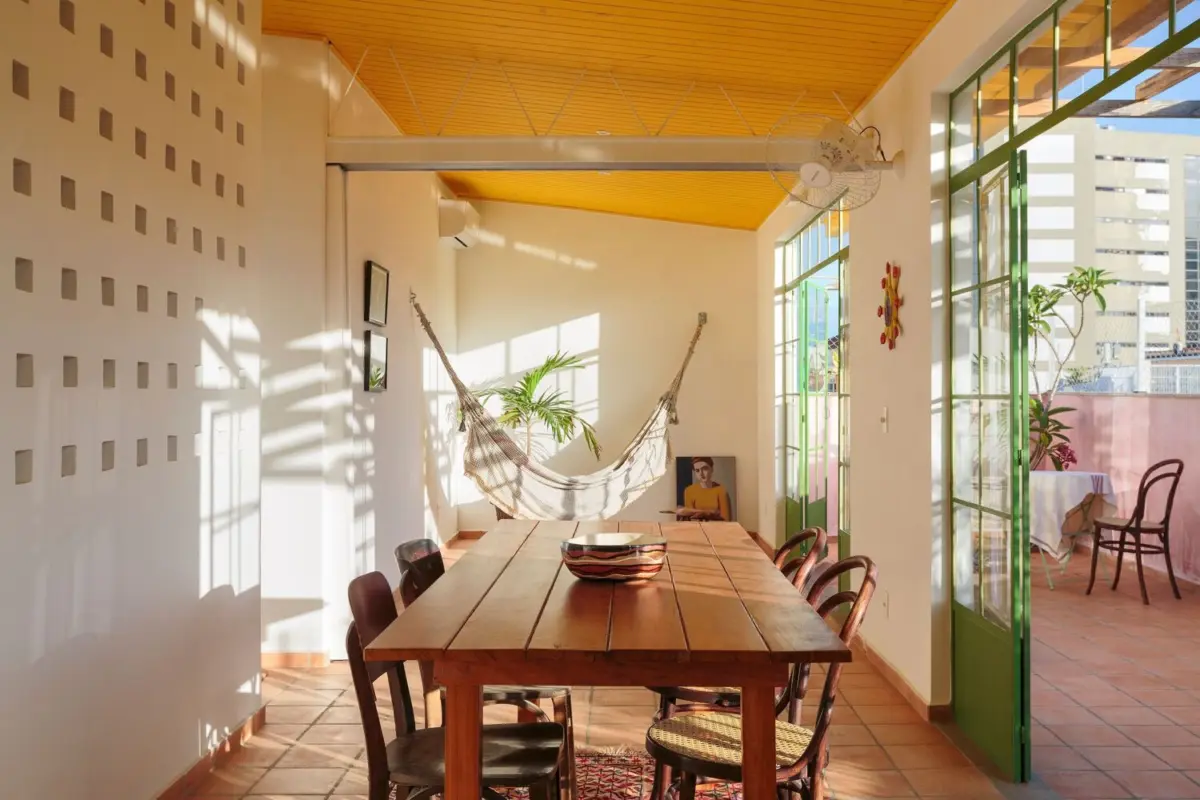
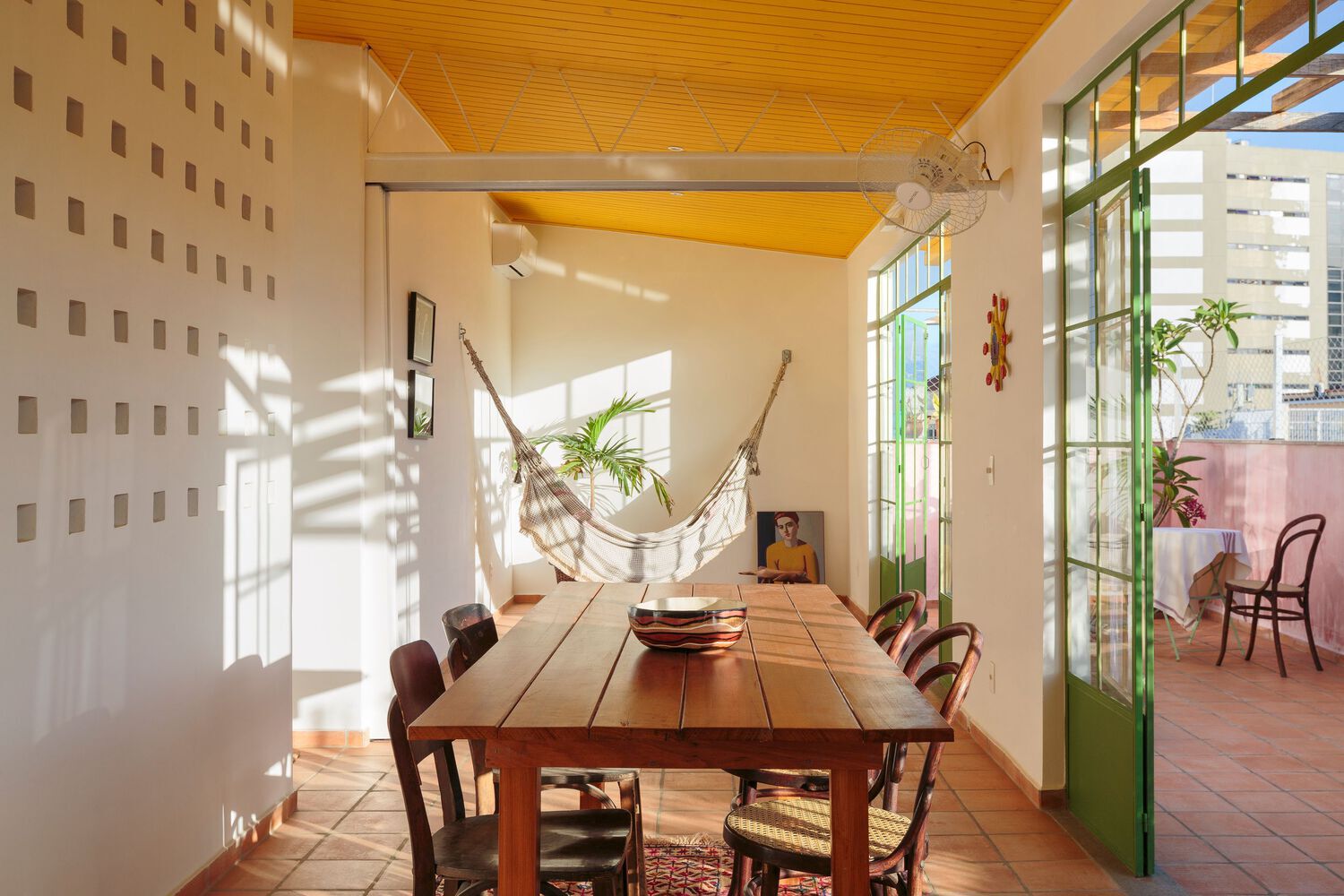
In contemporary Latin American residential architecture, such as projects like the CL Apartment designed by MZNO, the deployment of color transcends simple decoration. It acts as a living archive of regional identity and domestic evolution. Designers and architects working across the continent are increasingly aware that hues do not belong merely to the realm of surface treatment; they belong to a broader cultural ecosystem. The terracotta reds, deep indigos, sun-washed ochres, and muted earthy tones found in modern Latin American interiors are deeply intertwined with the geography and vernacular building traditions of the region.
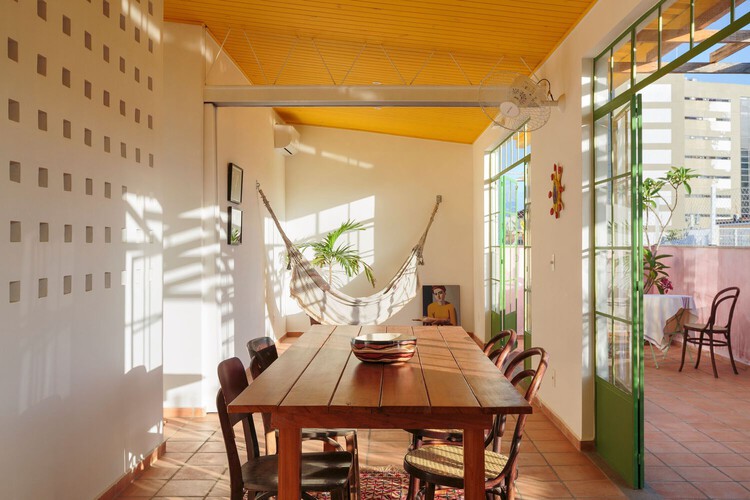
To understand a color in a Latin American interior is to trace its trajectory from raw earth, mineral pigments, or botanical dyes into the built environment. Historically, architectural finishes were dictated by what the land provided. Local clays, lime washes mixed with natural juices, and earth-derived pigments formed the baseline of domestic palettes. When these materials are translated into contemporary design vocabularies—whether through polished concrete, matte paints, or artisanal tiles—they carry forward a sensory memory of the landscape. A wall painted in a dusty rose or a saturated yellow is not merely reflecting a current trend; it is participating in a continuous dialogue with the historical light and climatic conditions of the region.
Furthermore, the domestic interior acts as a mediator between the private life of the inhabitant and the collective memory of the culture. Colors that were once tied to utilitarian functions, such as the cooling properties of light-reflective white washes or the pest-resistant qualities of certain earthen mixtures, have gradually crossed over into the realm of the symbolic. Even as construction technologies modernize and globalized materials become easily accessible, the preference for specific chromatic ranges persists. This persistence is often intuitive rather than academic, rooted in generational habits of spatial organization and material appreciation.

The life of a color is never static. As families move, as urban densities shift, and as architectural practices evolve to meet contemporary demands, these chromatic biographies continue to write themselves. A shade that originated in a rural courtyard finds a new life within a high-rise urban apartment, adapting to different scales of light and shadow. In this transition, the color absorbs the new realities of urban living while retaining a subtle connection to its origins.
Ultimately, exploring the cultural life of colors in Latin American interiors reveals that architecture is not just about structure, volume, and light. It is also about the emotional and cultural resonances that color brings into a room. By paying attention to the biographies of the hues that surround us, architects and inhabitants alike can better understand how spaces are shaped not only by physical walls, but by the layers of meaning, memory, and material practice embedded within every brushstroke and surface finish.