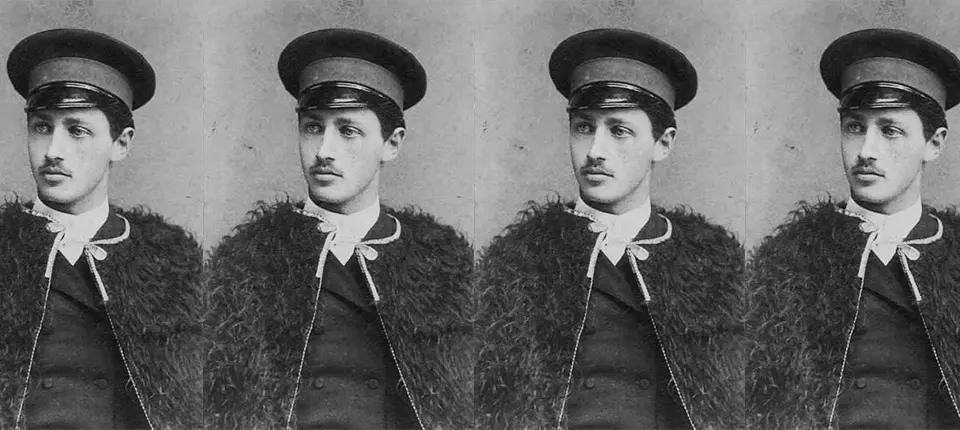
As the literary world continues to navigate the rapid shifts of the digital age, this week’s discussions across the cultural internet offer a profound reflection on the enduring power of human creativity, historical memory, and the complexities of modern storytelling. Marking the birth anniversary of Nobel Prize-winning Russian author Ivan Bunin, born in 1870, commentators and critics have turned their attention to the fundamental questions defining contemporary writing. From the existential challenges posed by artificial intelligence to deep dives into political upheaval, historical legacies, and the intimate mechanics of craft, the conversation across independent publishing and major literary platforms highlights a vibrant, urgent artistic landscape.
At the forefront of discussions surrounding technology and art is the debate over the irreplaceable nature of human interiority. In an era increasingly dominated by generative AI and automated text, essayists have argued that the writer’s soul remains the singular element that cannot be replicated by algorithms. This theme resonates alongside explorations of craft, such as Barbara Kingsolver’s physical approach to creation—explaining why she famously writes standing up—and Adam Wilson’s reflections on the boundaries of fiction, including why he will never write a character who is a fan of the New York Yankees. Craft is further examined through the lens of stakes and structure, with Deesha Philyaw discussing the vital necessity of raising the emotional stakes in fiction, while other writers explore how personal research and academic demands can serve as a coping mechanism for profound grief and loss.
Historical and political currents heavily shape this week’s literary discourse, connecting the echoes of the past directly to contemporary anxieties. Historians and critics have drawn striking, cautionary parallels between the historical mechanisms of the past—such as the 1933 election that dismantled German democracy—and modern political shifts, including the climate surrounding the 2026 American midterms. International politics also take center stage, with analyses of Brazil’s political convulsions shedding light on the broader global resurgence of the far-right. Meanwhile, the devastating human and cultural cost of conflict is brought into sharp relief by Ukrainian writer Oleksandr Mykhed, who details how the ongoing war and Russian bombardment have systematically destroyed Ukrainian books and literary infrastructure.
Activism remains deeply intertwined with literary history in several newly published retrospectives. Bill McKibben offers fresh perspectives on climate activism, framing it as a long, arduous, yet essential struggle for the earth and democratic institutions. Feminist literary history is similarly highlighted through examinations of influence and friendship. A deep dive into the archives explores how feminist activist Robin Morgan helped preserve and shape the legacy of Sylvia Plath, a theme extended by critics examining the overarching cycles of life and death embedded within Plath’s iconic body of work. In another corner of intellectual history, writers revisit the decades-long, intellectually rigorous friendship between political theorist Hannah Arendt and writer Mary McCarthy.
Identity, language, and cultural representation continue to drive vital conversations among contemporary poets and prose writers. Essays interrogate the shifting language surrounding Latinx identity and explore the boundaries of trans poetics alongside the inherent failures and triumphs of language. Indigenous storytelling traditions are also highlighted, with creators examining what it means to be an Anishinaabe poet operating within a predominantly fiction-centric literary world. These identity-driven narratives extend into personal essays, such as Kristen Millares Young’s meditations on marriage and motherhood, Nafissa Thompson-Spires’s striking account of how surviving a lightning strike fundamentally altered her sense of identity and character creation, and explorations of the intricate, often complex dynamics between queer individuals and their families.
The past also speaks to the present through rediscovery, translation, and historical anecdotes from the archives of war and diplomacy. Critics are revisiting unsung literary works from a century ago, such as Ettie Stettheimer’s Love Days, illuminated through the commentary of Mabel Capability Taylor, alongside the publication of a new afterword by Alice Elliott Dark for her acclaimed short story "In the Gloaming." Archival and historical storytelling take unexpected turns in accounts of women who served as iconic spies in comic book history, and a moving tribute to the unsung contributions of an army librarian who brought the transformative joy of reading directly to the front lines of World War II. International publishing milestones are also celebrated, including scenes from the prestigious Heinrich Maria Ledig-Rowohlt translation prize dinner at the Frankfurt Book Fair, alongside examinations of the profound, collaborative relationships between authors and their publishers, such as the bond between Jean Echenoz and his publisher Jérôme Lindon.
Rounding out the week’s literary landscape are unique creative expressions and critical roundups. Readers can explore Patricia Lockwood’s striking poem "Sensual Songs for Eight-Year-Olds," alongside reflective travel writing that offers an intimate look at Toronto through the eyes of visiting authors. For those seeking reading material, the week provides comprehensive guidance through the Independent Press Top 40 Bestsellers lists for both fiction and nonfiction, alongside a curated selection of five essential book reviews. Whether examining the confident cultural complexity of Whitney Houston’s historic Super Bowl XXV performance, analyzing the mechanics of America’s deportation machinery as a form of institutional warfare, or considering the delicate editorial relationships that bridge the gap between author and reader, the literary internet this week underscores a resilient culture fiercely committed to bearing witness, preserving memory, and interrogating the human condition.