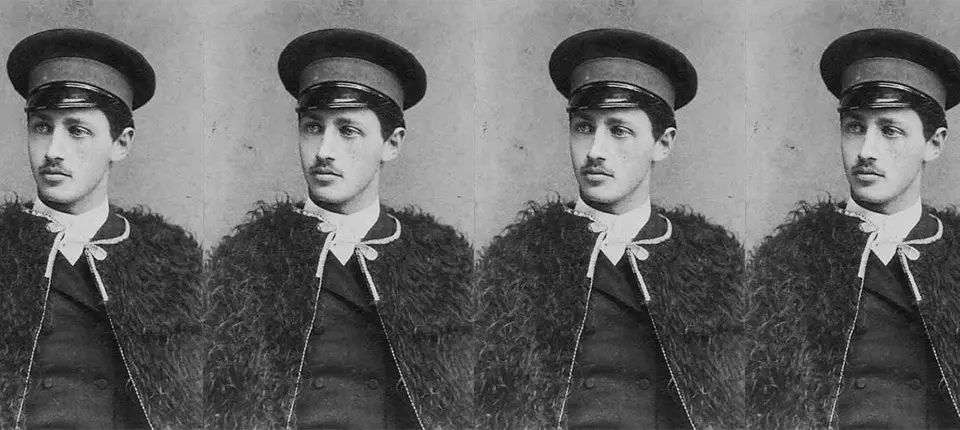
Welcome to this week’s curated journey through the best of the literary internet, where contemporary anxieties about artificial intelligence intersect with timeless explorations of human grief, political upheaval, and the enduring power of the written word. This week opens on a historical note, commemorating the birth of Russian writer Ivan Bunin in 1870, whose profound contributions to literature continue to resonate. From the intersection of modern technology and creative expression to vital discussions surrounding translation, historical memory, and poetic form, the past week in online literary discourse has offered a panoramic view of where the culture stands today.
At the forefront of contemporary literary debate is the looming presence of artificial intelligence. In an era dominated by rapid technological advancement and algorithmic text generation, critics and authors are continually forced to reevaluate the intrinsic value of human artistry. A prominent discussion this week argues that in the age of AI, the writer’s soul remains the singular, unreplicable element of true literature. While machines can mimic syntax, cadence, and even narrative structures, they lack the lived emotional reality, the vulnerability, and the complex consciousness that give enduring works of art their weight. This human element is further mirrored in examinations of physical craft, such as Barbara Kingsolver’s reflection on why she prefers to write standing up—a physical manifestation of the active, bodily engagement required to bring authentic stories to life.
The cultural conversation around identity and language continues to evolve across multiple platforms. Observers this week noted the shifting and dynamic language surrounding Latinx identity, examining how terminology adapts to encompass diverse, evolving experiences within the diaspora. Parallel explorations delve into trans poetics and the ways language can simultaneously fail and liberate those attempting to articulate non-conforming realities. These linguistic inquiries highlight a broader theme across this week’s literary landscape: the constant struggle to find words precise enough to capture human experience, whether through poetry, fiction, or non-fiction.
Historical legacies and literary preservation also claimed a significant share of attention. Feminism and literary history intersected in a deep dive into how activist and writer Robin Morgan helped preserve the legacy and impact of Sylvia Plath. Plath’s work was further examined through the lens of the cyclical nature of life and death that anchors her poetry and prose. Similarly, intellectual histories were revisited through Mabel Capability Taylor’s look at Ettie Stettheimer’s century-old novel Love Days, offering modern readers a window into the literary sensibilities of a brilliant, interconnected New York family from a bygone era.
Biographical and interpersonal dynamics among iconic intellectuals received thoughtful reconsideration. Readers were treated to a look at the decades-long, intellectually charged friendship between political theorist Hannah Arendt and writer Mary McCarthy, whose correspondence and mutual influence helped shape mid-century thought. On a different creative front, discussions explored the unique relationship between novelist Jean Echenoz and his publisher, Jérôme Lindon, highlighting how crucial editorial partnerships are in guiding a writer’s trajectory from initial concept to finished book. Craft notes also touched on narrative mechanics, including Adam Wilson’s reflections on plot versus concept—complete with the humorous revelation that he will never write about a Yankees fan—and Deesha Philyaw’s insights on the necessity of raising the stakes in fiction.
The toll of global conflict and political crisis on literature and human lives formed a somber yet essential thread of this week’s discourse. Ukrainian writer and scholar Oleksandr Mykhed offered a devastating account of writing in times of war, detailing how Russian military aggression and bombing campaigns have systematically destroyed Ukrainian books, libraries, and cultural infrastructure. Expanding outward into geopolitical analysis, commentators looked at Brazil’s political convulsions to draw broader conclusions about the global resurgence of the far-right. In a domestic context, essays scrutinized America’s deportation apparatus, framing the machinery of modern immigration enforcement as an ongoing, undocumented war. Historical memory also bridged past and present, with critics drawing sharp parallels between Adolf Hitler’s electoral victory in March 1933 and the modern political anxieties surrounding the 2026 American midterms.
Personal trauma, resilience, and unique life experiences heavily influenced memoir and creative non-fiction this week. Writer Nafissa Thompson-Spires shared a startling reflection on how surviving a lightning strike fundamentally altered her sense of identity and subsequently shaped her fiction. Other writers turned to research and prose as a mechanism for survival, exploring how navigating the rigid demands of academia and the depths of personal tragedy can help individuals cope with profound grief and loss. Lydia Millet discussed her new double novel exploring the themes of grief and loss with interviewer Jane Ciabattari, while Kristen Millares Young reflected on the complex, demanding intersections of motherhood, marriage, and the pursuit of artistic autonomy.
The curation of the literary internet also ventured into unexpected and delightful corners of culture and history. Poetry enthusiasts were treated to Patricia Lockwood’s arresting and provocative poem "Sensual Songs for Eight-Year-Olds," alongside explorations of Anishinaabe poetry within a predominantly fiction-dominated literary world. Historical deep-dives brought to light the unsung heroism of an army librarian who brought the joy and comfort of literature to the front lines during World War II, as well as a brief, entertaining history of iconic women spies immortalized in comic books. Music and place collided in nostalgic and analytical pieces, ranging from a consideration of the confident, commanding complexity of Whitney Houston’s historic performance at Super Bowl XXV to Paul Theroux’s surprisingly intimate travelogue visit to Toronto.
For readers seeking the latest commercially successful and critically acclaimed titles, the literary internet provided its regular roundups. The Independent Press released its Top 40 Bestsellers lists for both fiction and nonfiction, highlighting the vibrant ecosystem of independent publishing houses that continue to champion daring and diverse voices. Concurrently, literary review aggregators published their essential weekly reading lists, pointing audiences toward five must-read book reviews that capture the critical consensus on the newest releases. The week’s digital offerings rounded out with scenes from the Frankfurt Book Fair, including a look inside the prestigious Heinrich Maria Ledig-Rowohlt translation prize dinner, celebrating the linguistic bridges built by translators worldwide, and Alice Elliott Dark’s reflective new afterword for her acclaimed short story "In the Gloaming."