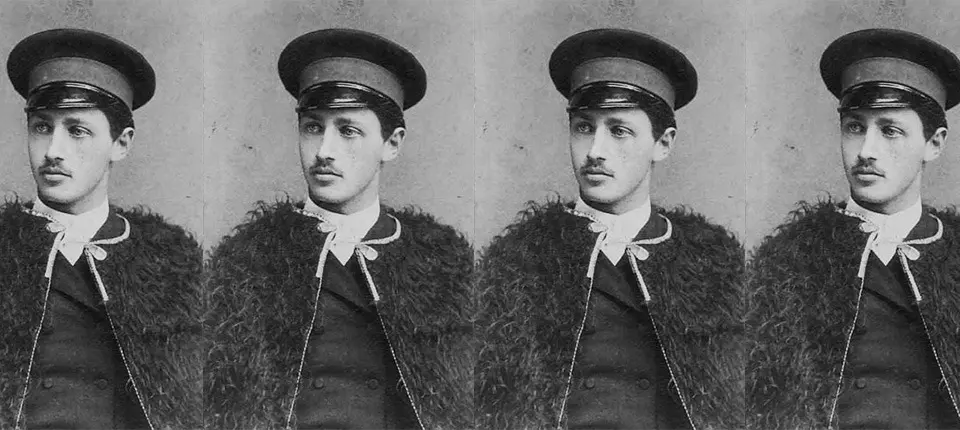
As the literary world observes the birth anniversary of Nobel laureate Ivan Bunin—born on this day in 1870—readers and writers alike are navigating a complex landscape where technology, global politics, and deep historical reflection intersect. Bunin, celebrated for his exquisite mastery of prose and poetry as the first Russian writer to win the Nobel Prize in Literature, provides a fitting historical anchor for a week that grapples heavily with the preservation of culture, the evolution of identity, and the enduring power of the human imagination.
Across the digital literary sphere, conversations are increasingly turning toward the impact of artificial intelligence on creative spaces. In an era dominated by rapid technological disruption and generative AI tools, essayists and critics are exploring what remains fundamentally untouched by algorithms. Observers note that while automated systems can mimic syntax and structure, the writer’s soul—forged through lived experience, suffering, joy, and individual consciousness—remains the sole domain of human expression. This theme of preservation extends beyond technology into tangible geopolitical conflicts. Writers and intellectuals are speaking out about the devastating cultural toll of modern warfare, highlighting how Russian military campaigns have targeted and destroyed Ukrainian books, archives, and literary institutions, effectively waging a war on historical memory and national identity.
Identity and language continue to serve as vital focal points for contemporary essayists and poets. Discussions surrounding the shifting language of Latinx identity examine how terminology evolves to better capture the rich diversity and multifaceted experiences within the community. Similarly, explorations into trans poetics investigate the profound limits and ultimate failures of traditional language to fully articulate the nuances of trans experiences, pushing writers to forge new linguistic pathways. This intersection of voice and identity is further explored through the lens of Indigenous storytelling, where Anishinaabe poets navigate the complexities of asserting their craft within a predominantly fiction-driven literary establishment.
Historical reassessments and biographical explorations offer fresh perspectives on iconic literary figures of the past. Scholars and critics are revisiting the profound influence of feminist activist Robin Morgan on the legacy and posthumous reputation of Sylvia Plath, examining how editorial stewardship and feminist solidarity shaped the way modern readers engage with Plath’s oeuvre. Alongside these reflections, critics are tracing the intricate life-and-death cycles that pulse at the heart of Plath’s poetry and prose, offering new readings of her exploration of psychological vulnerability and renewal.
Biographical examinations also illuminate the rich intellectual networks of the twentieth century. Readers have been treated to deep dives into the decades-long, intellectually rigorous friendship between political theorist Hannah Arendt and writer Mary McCarthy, whose correspondence reveals a vibrant dialogue on ethics, politics, and literature. In a similar vein of rediscovery, literary historians are shining a light on unsung voices from America’s past, such as Ettie Stettheimer’s century-old novel Love Days, bringing a forgotten work from an intellectual New York family back into contemporary discourse.
The mechanics of craft, writing habits, and the emotional weight of authorship remain perennial fascinations for those who study the written word. Acclaimed novelist Barbara Kingsolver recently shared insights into her unconventional physical writing routine, explaining why she prefers writing while standing up to maintain physical energy and creative momentum. Meanwhile, authors like Lydia Millet have sat down with critics to discuss the emotional and structural demands of crafting a double novel centered on grief and loss, while Kristen Millares Young has opened up about the transformative intersections of motherhood, marriage, and the pursuit of artistic autonomy.
Craft discussions also venture into unexpected territory, touching upon how profound physical experiences—such as surviving a lightning strike—can alter a writer’s identity and subsequently reshape the inner lives of their fictional characters. Other authors explore the deliberate mechanics of storytelling, examining the psychological imperative of raising the stakes in fiction, the delicate balance between plot and abstract concept, and how academic research and writing can serve as a vital coping mechanism when navigating personal tragedy and loss.
Beyond individual craft, the literary internet has cast a wide net across history, politics, and public memory. Activism remains a critical thread in contemporary discourse, with environmental leaders like Bill McKibben reminding readers that climate activism is a long, arduous, and generational struggle for the earth rather than a quick political fix. Political commentary also draws stark historical parallels, examining how the electoral victory of Adolf Hitler in March 1933 echoes in contemporary discussions surrounding democratic fragility, far-right political movements in Brazil, and anxieties over modern political shifts in the United States.
Humanitarian history finds a poignant spotlight in accounts of bravery during times of global conflict. Historians have recently highlighted the remarkable efforts of World War II army librarians who risked safety to bring the joy and solace of literature to soldiers on the front lines, demonstrating the sustaining power of books in the darkest of circumstances. This dedication to global literature was similarly celebrated at the Frankfurt Book Fair, where the Heinrich Maria Ledig-Rowohlt Translation Prize dinner gathered international translators and publishers to honor the bridge-building work of making literature accessible across linguistic divides.
Review aggregators and bestseller lists this week highlight the robust health and diversity of the independent publishing sector, with the latest Top 40 Bestsellers for both fiction and nonfiction showcasing the titles currently resonating most with independent bookstore patrons. Critical roundups offer curated reading guides, while poetry lovers can engage with new works, such as Patricia Lockwood’s arresting poem "Sensual Songs for Eight-Year-Olds."
As these diverse threads of discussion demonstrate, the literary internet continues to function as a dynamic town square where past and present collide. Whether examining the complex familial dynamics of queer recognition and estrangement, revisiting the cultural impact of Whitney Houston’s historic Super Bowl XXV performance, or analyzing the mechanics of how editors forge lasting bonds between readers and authors, the literary community remains deeply engaged in the urgent work of storytelling, interpretation, and cultural preservation.