Welcome to this week’s curation of the best writing, debates, and cultural touchstones circulating across the literary internet. As autumn settles in, the digital literary sphere is buzzing with profound questions about the future of human creativity, the ongoing impacts of global conflict on literature, and the quiet, enduring mechanics of craft.
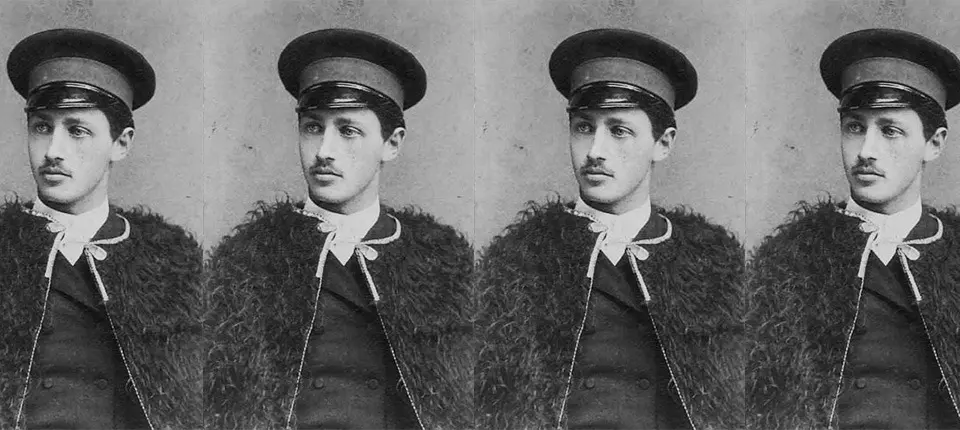
Today marks the birth anniversary of the great Russian writer Ivan Bunin, born in 1870. Bunin, who would go on to become the first Russian writer to win the Nobel Prize in Literature, is remembered for his exquisite craftsmanship, psychological depth, and mastery of both prose and poetry. It is a fitting day to look at how writers today continue to grapple with what it means to put pen to page—or fingers to keyboard—in an era of rapid technological and political transformation.
The Human Element in an Automated World
At the forefront of contemporary literary discourse is the omnipresent shadow of artificial intelligence. In an insightful piece published on Literary Hub this week, writers and critics are confronting the reality of generative AI head-on. The consensus emerging from essays such as "We Banned the Soul from the Building" is clear: while machines can mimic syntax, generate plots, and summarize data with startling speed, the writer’s soul remains the singular, unreplicable core of true art. This essential human spark—born of lived trauma, joy, memory, and physical embodiment—defies algorithmic capture, anchoring the future of literature firmly in human consciousness.
This exploration of identity and authenticity extends far beyond technology into the cultural and political realms. Discussions around the shifting, often contested language of Latinx identity highlight how vocabulary evolves to capture nuance and community experience. Similarly, considerations of trans poetics delve into the failures and triumphs of language when trying to articulate deep personal transformations, noting how conventional grammar often buckles under the weight of profound self-becoming.
Activism, Legacy, and Historical Echoes
Literature has never existed in a vacuum, and this week’s essays powerfully illustrate the intersections between political activism, historical memory, and artistic legacy.
In a deep dive into feminist history, writers explore how activist Robin Morgan helped preserve and shape the enduring literary legacy of Sylvia Plath. Plath’s work itself remains a subject of vital critical re-examination, with scholars tracing the complex cycles of life and death that pulse at the heart of her poetry and prose. This commitment to legacy is mirrored in discussions of international politics and climate change. Environmentalist and author Bill McKibben reflected this week on the grueling, slow-burn reality of climate activism, framing it as a long-term struggle for the preservation of earth and democracy that demands both patience and relentless storytelling.
The devastating human and cultural cost of war is another dominant theme. Ukrainian author and scholar Oleksandr Mykhed offers a heartbreaking look at writing in times of war, detailing how Russian military aggression and bombing campaigns have systematically destroyed Ukrainian books, libraries, and cultural infrastructure.
Meanwhile, political anxieties take on historical dimensions as commentators draw chilling parallels between past democratic collapses and current political crises. One widely discussed essay examines the fateful election of March 5, 1933, which effectively destroyed German democracy, and looks at its eerie echoes in the context of contemporary political fractures and upcoming electoral battles. On a domestic front, critics are also probing the architecture of modern state violence, examining America’s deportation machinery through the lens of an undocumented, internal war.
Craft, Memory, and the Intricacies of Storytelling
Away from the macro-level political debates, the literary internet has offered a wealth of riches for those obsessed with the micro-mechanics of writing. Novelists and poets have pulled back the curtain on their idiosyncratic habits and creative philosophies.
For instance, acclaimed novelist Barbara Kingsolver shared a surprisingly practical detail about her physical writing routine, explaining why she prefers to write standing up. Elsewhere, Adam Wilson offered candid notes on craft, reflecting on the delicate tension between plot and concept while firmly declaring the boundaries of his own imagination—including why he will never write a novel centered on a New York Yankees fan.
Identity and physical sensation often collide in unexpected ways in fiction and memoir. In a striking personal essay, Nafissa Thompson-Spires reflects on how being struck by lightning unexpectedly altered her sense of identity and rippled into the lives of her main characters. In conversations about narrative stakes, author Deesha Philyaw discusses the vital importance of raising the emotional and dramatic stakes in fiction to transform a narrative from a flat exercise into a gripping, delicious read.
The healing power of research and writing is addressed by academics and novelists alike, many of whom examine how navigating the rigorous demands of scholarship and creative composition can help individuals cope with profound personal loss and grief. This therapeutic and relational aspect of literature is further emphasized in pieces exploring the deep editorial relationships that bridge the gap between writers and readers, as well as historical retrospectives on legendary literary friendships, such as the decades-long intellectual bond between Hannah Arendt and Mary McCarthy.
History, Pop Culture, and the Joy of Reading
The literary landscape this week also embraces the unexpected corners of cultural history. Readers were treated to a fascinating look at how an unsung army librarian brought the life-changing joy of literature to soldiers on the front lines of World War II. In pop culture and comics, essays celebrated iconic women spies of the sequential art world, alongside a retrospective on Whitney Houston’s powerful, confident performance at Super Bowl XXV.
For those looking for new additions to their reading lists, the internet has provided ample guidance. Alongside the latest Independent Press Top 40 Bestsellers for both fiction and nonfiction, critics have highlighted five essential book reviews to read this week, alongside a dive into Ettie Stettheimer’s century-old, unsung New York novel Love Days, and Alice Elliott Dark’s new afterword for her acclaimed short work "In the Gloaming."
As these varied discussions demonstrate, the literary internet remains a vibrant, contentious, and deeply human space—one where the past is constantly interrogated, the present is fiercely documented, and the future of storytelling continues to be forged sentence by sentence.