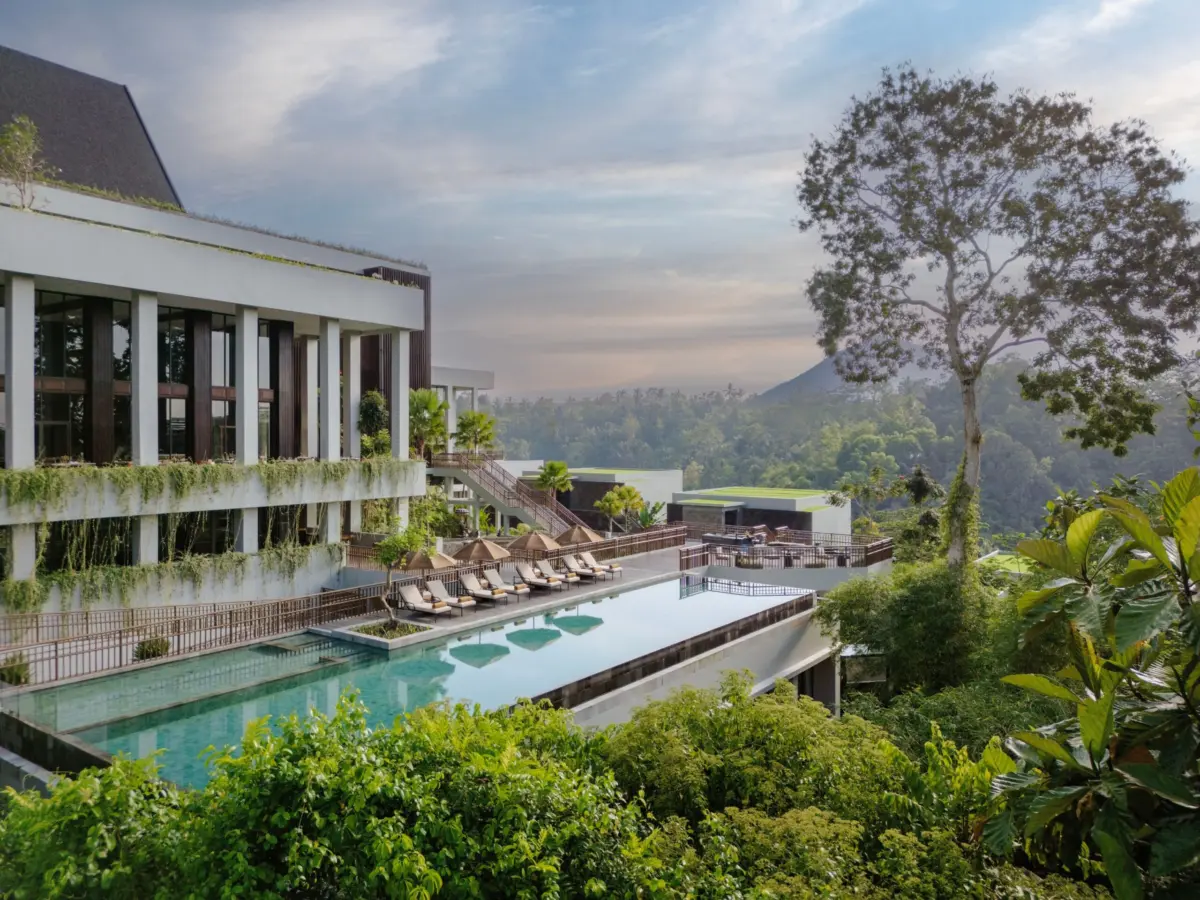
Bali has long held a near-mythical status in the travel world, draped in a shroud of cultural mystique and tropical allure that few destinations can replicate. Beyond the emerald rice terraces of Ubud and the crashing surf of the Bukit Peninsula, the island has historically been cemented in the global consciousness as a haven for the budget-conscious traveler. It is a place where the dream of a private villa, complete with a sparkling infinity pool and personalized service, is not merely a fantasy reserved for the ultra-wealthy, but a tangible reality for those who know where to look.
Having spent four years living on the island, I have witnessed firsthand the evolution of Bali’s hospitality landscape. While it is true that the island’s popularity has surged and price points have shifted upward in recent years, the foundational ethos of Bali remains unchanged: it is still entirely possible to enjoy an epic, high-end vacation without the heavy price tag of a luxury getaway in Europe or the steep costs of many boutique properties across the United States. The secret lies in understanding that on this radiant island, the warmth of Balinese hospitality is an inherent cultural trait, one that is not scaled according to the nightly room rate.
Redefining Value in Indonesian Hospitality
When traversing the island, from the bustling southern coast to the quiet, mist-covered highlands, one is struck by the consistency of the service. Whether you are checking into a modest guesthouse or an expansive, lushly landscaped resort, the standard of care remains exceptionally high. Over years of hotel stays and rigorous exploration, I have seen exactly what different price points can yield in the Balinese market. What is most impressive is the sheer value found in resorts that sit comfortably under the $250-per-night mark.
At these properties, travelers often find themselves treated with a level of VIP service that feels far removed from the transactional nature of modern urban hotels. It is an experience characterized by thoughtful design, local craftsmanship, and a genuine, welcoming spirit that defines the Indonesian approach to tourism. For the cost of a standard room in many major Western cities, one can secure an authentic Balinese experience that includes daily breakfast, serene spa facilities, and prime access to some of the world’s most beautiful landscapes. These accommodations do not just provide a place to sleep; they offer a gateway into the island’s profound cultural beauty, all while remaining surprisingly accessible to the average traveler.
Navigating the Island: Where to Find the Best Deals
One of the most frequently asked questions by prospective visitors is where they should base themselves to maximize their budget without sacrificing the quality of their stay. The beauty of Bali lies in its diversity; affordable, high-quality accommodations are not restricted to one corner of the island. Instead, they are scattered throughout various regions, each offering a distinct atmosphere and experience.
For those seeking proximity to the beach without the premium cost, areas like Sanur and the broader Kuta region offer a wealth of mid-range properties that excel in both comfort and location. However, for the more intrepid traveler, venturing further afield often yields the greatest rewards. The outskirts of Ubud, for instance, provide a quieter, more reflective atmosphere where lush jungle villas can be found at a fraction of the cost of those in the city center. Similarly, regions such as Sidemen and Amed offer a glimpse into a more traditional side of Bali. These areas are far from the typical tourist trails, allowing visitors to enjoy stunning natural vistas and peaceful surroundings while benefiting from lower nightly rates.
Generally speaking, the rule of thumb for budget-conscious travel in Bali is that the farther one travels from the major urban centers and the most heavily trafficked tourist hubs, the more likely they are to find exceptional value. Being adventurous and willing to explore the island’s less-traveled paths is almost always rewarded with both financial savings and a more authentic, intimate connection with the local environment.
Timing Your Visit for Maximum Savings
Beyond location, timing is perhaps the most significant factor in managing the costs of a Bali vacation. The island experiences a distinct seasonality, and understanding these patterns is key to securing the best possible rates. Historically, the rainy season—typically spanning from November through March—is when hotels are at their most competitive. During these months, occupancy rates drop, and resorts often offer significant discounts to attract travelers.
While the weather may be more humid and rainfall more frequent, the experience of Bali during this time can be incredibly rewarding. The landscape becomes vibrantly lush, the crowds thin out, and the island settles into a slower, more contemplative rhythm. There is one notable exception to this rule, however: the festive season. From late December through the first week of January, Bali experiences a surge in demand as domestic and international travelers alike flock to the island for the holidays. During this brief window, prices inevitably climb to meet the peak demand, and availability can become limited. For those looking to capitalize on lower rates, the mid-week periods in the months surrounding the rainy season remain the most strategic window for booking.
Our Approach to Selecting Exceptional Stays
The selection of a hotel is a deeply personal decision, and our commitment to providing accurate, useful information is central to our editorial process. Every property featured in our reports has been vetted by a Condé Nast Traveler journalist who possesses a deep, nuanced understanding of the destination. We do not rely on remote assessments; our journalists have personally visited these properties, slept in the beds, engaged with the staff, and experienced the environment firsthand.
When our editors curate these lists, they look beyond the surface-level aesthetic. We consider properties across a wide spectrum of price points, with a focus on those that offer an authentic, insider experience of the destination. A hotel must satisfy several criteria to be included: it must demonstrate a thoughtful design language, occupy a strategic or meaningful location, provide impeccable service, and exhibit a commitment to sustainability—a factor that is increasingly vital for the long-term health of Bali’s tourism ecosystem. By focusing on these core pillars, we aim to guide travelers toward accommodations that not only provide a high-value stay but also contribute positively to the communities and environments that make Bali such an enduringly popular destination.
As you plan your journey, remember that the true luxury of Bali is not just in the thread count of the linens or the size of the infinity pool, but in the access it provides to a culture of profound hospitality. By staying informed, choosing your location with care, and remaining mindful of the island’s seasonal rhythms, you can enjoy a trip that is as restorative as it is affordable. Whether you are seeking the quietude of the jungle or the salt-sprayed air of the coast, the island continues to prove that, with the right perspective, a dream getaway is always within reach.