For the editorial team at Condé Nast Traveler, the concept of "weekendmaxxing"—the tactical art of maximizing a short two-day window to achieve maximum restoration—is more than just a travel trend; it is a way of life. Living in the relentless, high-velocity environment of New York City necessitates a strategic approach to time management, particularly when the calendar turns toward the colder months. As the city prepares for the inevitable winter hibernation, when the days grow short and the chill begins to seep into the concrete canyons of Manhattan and Brooklyn, the necessity for a change of scenery becomes not just a luxury, but a vital component of urban survival.
The premise of the weekend escape is rooted in the desire for a brief, intentional departure from the routine. Whether it is scouting the most pristine hotels tucked away in the Hudson Valley or catching a swift, mid-morning flight to the vibrant energy of Miami, the goal remains the same: to step away, reset, and return to the office by Monday morning, recharged and ready to tackle the week ahead. This rhythmic oscillation between the intensity of city life and the quietude of a retreat is a hallmark of the modern New Yorker’s travel ethos.
Winter, in particular, acts as a catalyst for this behavior. When the city closes its metaphorical blinds and retreats into the comfort of its own interior spaces, the call of the wild—or at least the call of a quieter landscape—becomes louder. The winter blues are a documented phenomenon for those living in northern climates, and a strategic off-season jaunt serves as a potent antidote. There is a unique psychological shift that occurs when one swaps the grey, unforgiving skies of a mid-January Tuesday in the city for the stark, serene beauty of a snow-dusted landscape or the bracing, salt-sprayed air of the coast.
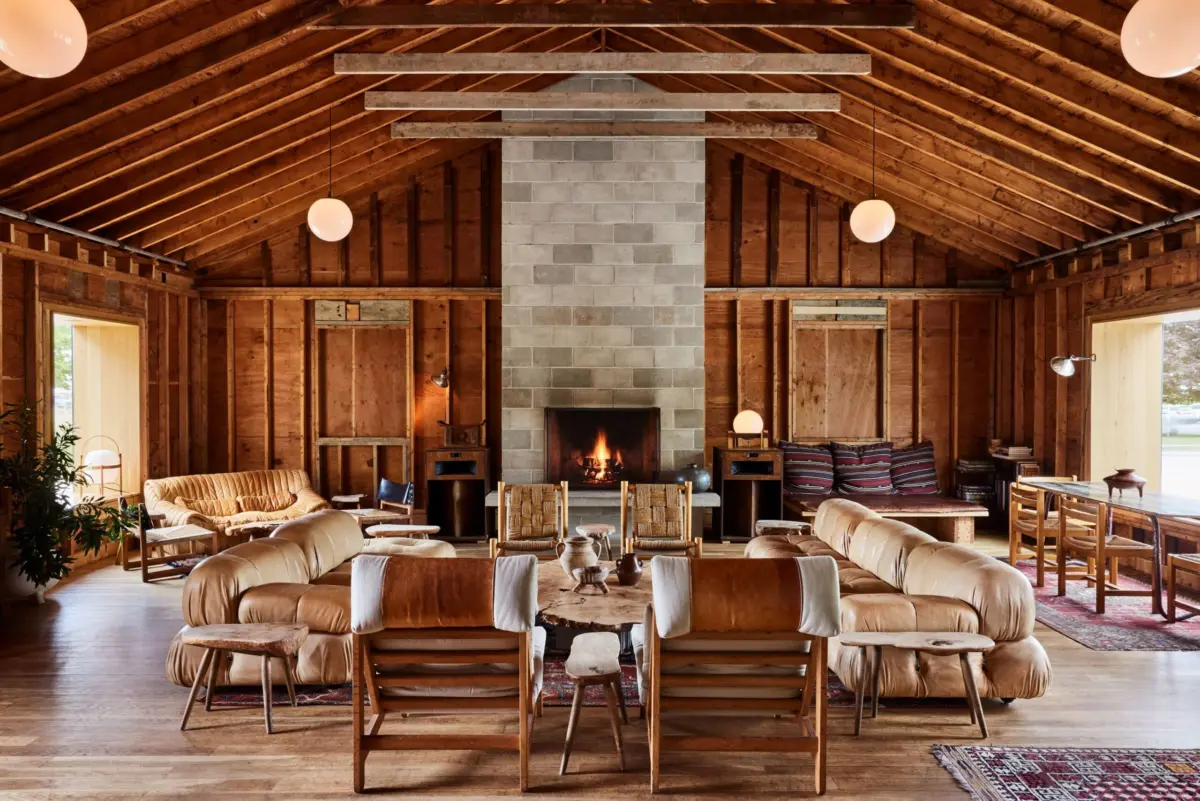
Consider the Rockaways during the off-season. While many view the peninsula strictly as a summer destination, there is a profound, quiet beauty to the beach when the crowds have vanished. The winter ocean is tempestuous and raw, offering a backdrop for introspection that is impossible to find during the peak of July. Similarly, a hideaway in a Berkshires lodge provides an entirely different, yet equally essential, experience. In the Berkshires, the winter aesthetic is one of wood-burning fireplaces, heavy knit blankets, and the silence of a forest muffled by snow. It is a place where "cozy" is not just a stylistic choice but a functional necessity.

The editors at Condé Nast Traveler have long championed the idea that a simple change of scenery is often all that is required to break the stagnation of a long, cold season. This is not necessarily about epic, multi-week journeys across continents; rather, it is about the efficacy of the micro-trip. By selecting a destination that is easily accessible—a short drive upstate or a brief flight to a warmer climate—travelers can minimize the friction of transit and maximize the quality of their downtime. The key is in the curation of the environment. Whether it is a wellness sanctuary nestled deep in the Catskills, where the focus is on holistic health and quiet contemplation, or a historic country retreat in New England, where the architecture itself tells a story of generations past, the destination must facilitate a genuine break from the digital and social pressures of metropolitan life.
The Catskills, in recent years, have undergone a transformation, evolving into a premier destination for those seeking a more sophisticated version of the rustic retreat. The influx of boutique hoteliers who have renovated old motels and historic lodges into high-design sanctuaries has made the region a cornerstone of the New York weekend culture. These properties often prioritize wellness, incorporating spas, locally sourced culinary experiences, and architecture that invites the outside in, even when the temperature is plummeting.
Across the border in New England, the appeal is slightly different. The region carries a sense of permanence and tradition that is deeply comforting during times of uncertainty. From the rugged coastlines of Maine to the rolling hills of Vermont and the Berkshires, the New England hotel scene offers a blend of classic hospitality and modern luxury. For a New Yorker, the ability to leave the city on a Friday evening and arrive at a fireplace-lit lobby in a historic New England inn by dinner time is the ultimate luxury. It provides a sense of distance from the city’s pace while remaining within a manageable travel radius.
The strategic planning of these getaways often begins weeks, if not months, in advance. The editors, who spend their professional lives analyzing travel trends and evaluating the best accommodations in the world, bring a discerning eye to their own personal travel. They look for properties that understand the importance of atmosphere. In the winter, this means hotels that excel at the "hygge" factor—lighting, textures, food, and service that make the guest feel as though they have been enveloped in a protective, comforting cocoon.

It is also a matter of efficiency. A well-executed weekend trip requires a seamless transition. This is why proximity to major transportation hubs is frequently a deciding factor. The ability to jump on a train to the Hudson Valley or head to the airport for a quick hop to the South allows for a high degree of flexibility. The goal is to spend the maximum amount of time in the destination and the minimum amount of time in transit. This efficiency is what allows the lifestyle of "weekendmaxxing" to remain sustainable throughout the winter months, rather than becoming just another source of stress.
Ultimately, the motivation behind these escapes is the pursuit of balance. Living in New York City is an exercise in constant engagement—with people, with technology, with work, and with the sheer noise of the environment. A winter escape is a form of intentional silence. It is a chance to recalibrate one’s sensory input. By choosing locations that offer a stark contrast to the city—whether that contrast is the isolation of a mountain lodge or the expansive horizon of a winter beach—the traveler is able to gain a new perspective.
As the weather turns brisk and the city prepares for the long haul of the winter season, the focus shifts toward these sanctuaries. The editors’ current selections, ranging from the rugged wellness retreats of the Catskills to the storied lodges of New England, serve as a roadmap for those looking to reclaim their weekends. These are not merely places to sleep; they are settings for a necessary restoration. By investing in these brief, high-quality experiences, the winter months become something to look forward to, rather than something to merely endure. The art of the weekend trip is, at its core, the art of knowing when to step away, ensuring that when you finally return to the city, you do so with a renewed sense of purpose and a refreshed spirit, ready to engage with the world once again.