Acclaimed author William T. Vollmann has opened up about the complex architecture, personal griefs, and extensive research behind his latest literary undertaking, A Table for Fortune. Published by Arcade Publishing, an imprint of Skyhorse Publishing, the sweeping work explores the shadows of American foreign policy from 1966 through 2022, tracing the origins of the September 11 terrorist attacks and the turbulent, often devastating fallout of the subsequent War on Terror.
In an extensive author’s note accompanying the release, Vollmann describes the book as a sprawling project that naturally bifurcated as it grew. The first half, he explains, functions as a novel of ideas anchored by the memo-based narration of a fictional CIA analyst named DAVE. This cerebral exploration relies on archival fascination, geopolitical substructure, and the bureaucratic realities of Langley to examine decades of intelligence-gathering and decision-making. The second half, conversely, evolved into a novel of feelings, designed to navigate the emotional and human toll of historical choices. Vollmann notes that while he initially tried to make both halves cohere, he ultimately realized they could not and should not—except that they must.
Vollmann approaches his subject with a mixture of meticulous research and unvarnished personal philosophy. Citing a colloquium address by Juan Tomas, a poet from Equatorial Guinea, who argued that a poet must speak out as a member of the community, Vollmann asserts his own obligation to address American foreign policy simply as an American. He attempts to represent the flow of decision-making from the Vietnam era through the post-9/11 landscape as accurately as unclassified interpretations allow. While acknowledging that some of his judgments are sharp, he wryly notes that acidity has a way of resonating in political commentary.
The author attributes the path leading to September 11 and its subsequent missteps to a combination of unlearned lessons, the expediencies of power, disabled consciences, and the malevolent role of chance intersecting with ordinary human fallibility during crises. He highlights how the U.S. government, panicked by the atrocities of Islamic terrorists, committed the grave errors of authorizing torture and launching an unjust war. Yet, Vollmann is careful to clarify that he is not opposed to the CIA or the intelligence community as such, recognizing that nations inevitably play dirty in a competitive global arena. Instead, his deepest concerns center on executive overreach in the shadows, pointing to the leaked Pike Report as evidence of a domineering White House coercing intelligence agencies into needless conflicts.
The creation of A Table for Fortune was an arduous process that tested the patience of Vollmann’s longtime editor at Viking. As Vollmann dug deeper into the historical record—incorporating elements of the Cold War, the East German Stasi, the complexities of Angola, and the realities of modern warfare—the manuscript swelled by hundreds of pages. His editor raised concerns over rising paper costs, the integration of distinct visual typography, and the sheer length of the book. Despite attempts to cut, hack, and abbreviate the text, the manuscript continued to grow. The creative standoff ultimately resulted in Vollmann parting ways with his publisher, though he maintains a fond and respectful relationship with his former editor, viewing him as a professional who genuinely tried to save him from his own maximalist impulses.
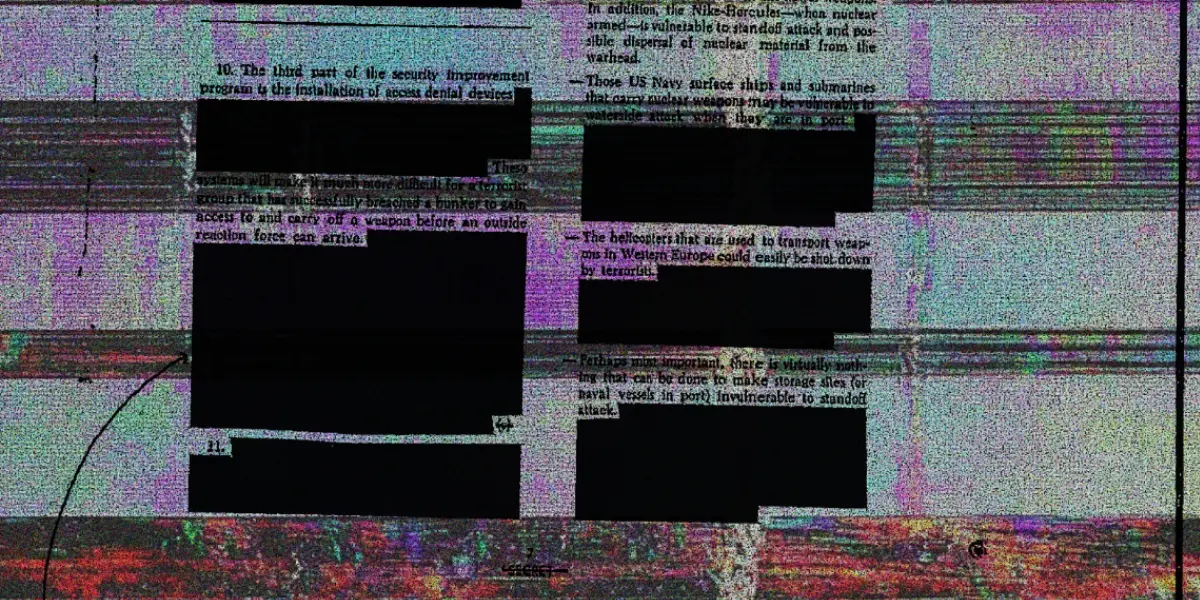
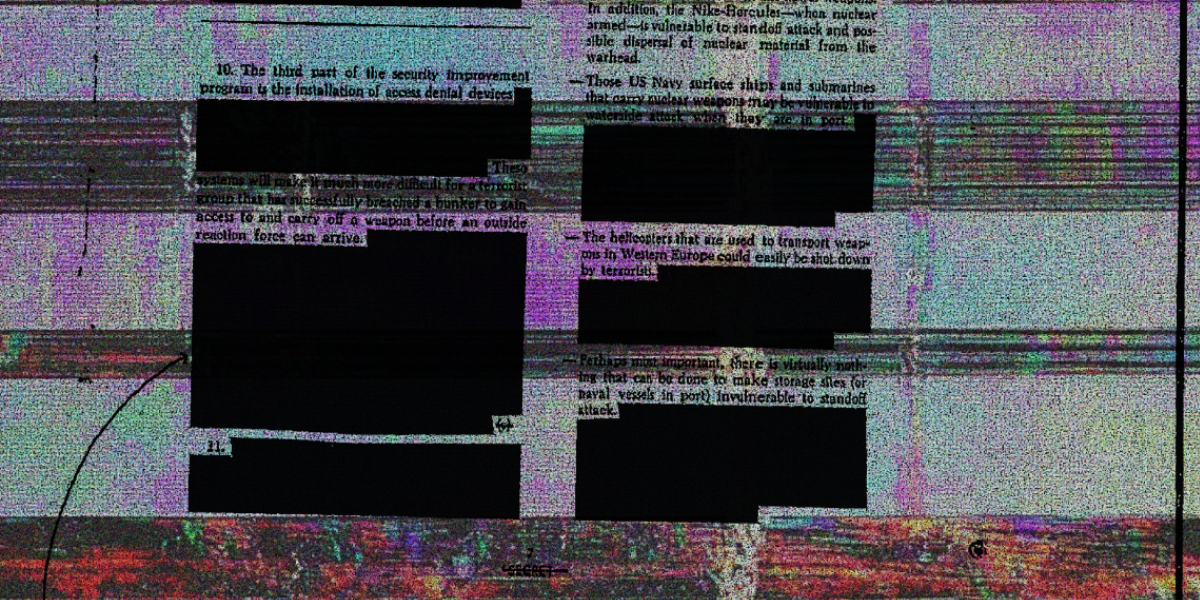
Structurally, the novel utilizes a variety of narrative devices, historical references, and typographic choices to evoke the murky atmosphere of intelligence work and international espionage. Vollmann incorporates notes from his own travels and research, including a 1998 visit to Iraq that shaped his skepticism regarding weapons of mass destruction, as well as extensive study of declassified Stasi archives in Berlin. He blends these real-world elements with fictionalized accounts of analysts, bureaucrats, and operatives, using specific character archetypes to embody the ideologies and institutional pressures of the eras he depicts.
Beneath the geopolitical analysis, A Table for Fortune is profoundly shaped by personal sorrow and loss. Vollmann reflects on his own battles with colon cancer and the emotional weight of outliving his daughter, Lisa, who tragically passed away in 2022 at the age of twenty-three after a long struggle with addiction and bulimia. The grief and anguish of those personal experiences bleed into the narrative arc of the book, particularly in the struggles of DAVE’s son, Matthew, whose ideological disillusionment and personal hardships mirror the collateral damage of a world shaped by conflict and institutional indifference.
Vollmann notes that while the book confronts grim realities—including torture, systemic failures, government overreach, and the grim calculus of modern drone warfare—it remains infused with a dark, observational humor. As he faces his own uncertain health outlook following a recurrence of cancer in 2025, Vollmann views his work not as a bid for commercial success or widespread popularity, but as a necessary duty to the community. Like Cassandra, he continues to articulate difficult truths, setting a table for fortune and preparing for the worst while maintaining a clear-eyed view of human fallibility.
A Table for Fortune is available now from Arcade Publishing.