The landscape and scattered settlements of Ireland carry a long-standing reputation for wildness. Rugged cliffs meet the turbulent Atlantic, green fields roll across the interior, and shifting patterns of rain and wind alter the scene hour by hour. Yet a closer look at this topography reveals a deeply worked terrain. Historic stone walls divide ancient agricultural fields, roads and footpaths trace routes connecting remote towns to the coast, and castle ruins standing alongside weathered cottages record centuries of human occupation. Change is the expected, enduring condition of the island, shaped as much by human hands over generations as by its underlying geology and unpredictable weather. Within this context, the practice of treating the existing built environment as a primary material to be continuously adapted, modified, and reimagined runs deep into the cultural and architectural psyche.
Ireland possesses a vast and varied inherited building stock. This architectural tapestry ranges from vernacular rural cottages and traditional farm compounds to grand Georgian and Victorian urban terraces lining city streets. However, a significant and growing share of this legacy sits vacant or derelict, even as housing remains critically scarce and expensive across the country. Modern planning frameworks and heritage protections strictly govern what can and cannot be altered, while a rapidly growing global and local awareness regarding embodied carbon makes the outright demolition of older structures increasingly difficult to justify on ecological or economic grounds. Under the converging pressures of housing demands, heritage preservation, and environmental responsibility, design strategies focused on architectural renovation have emerged as one of the most inventive areas of contemporary Irish design.
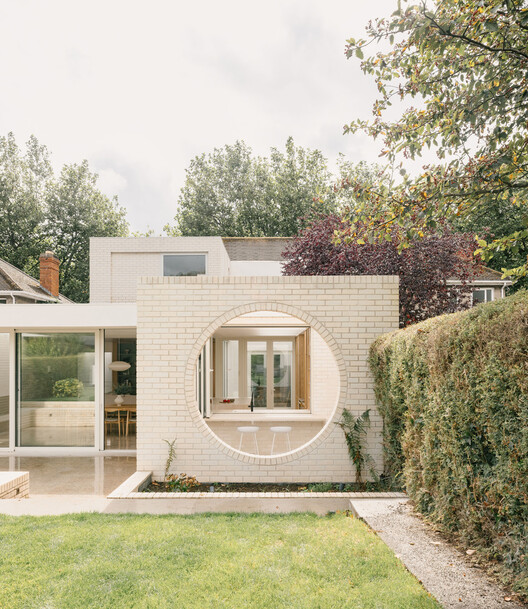
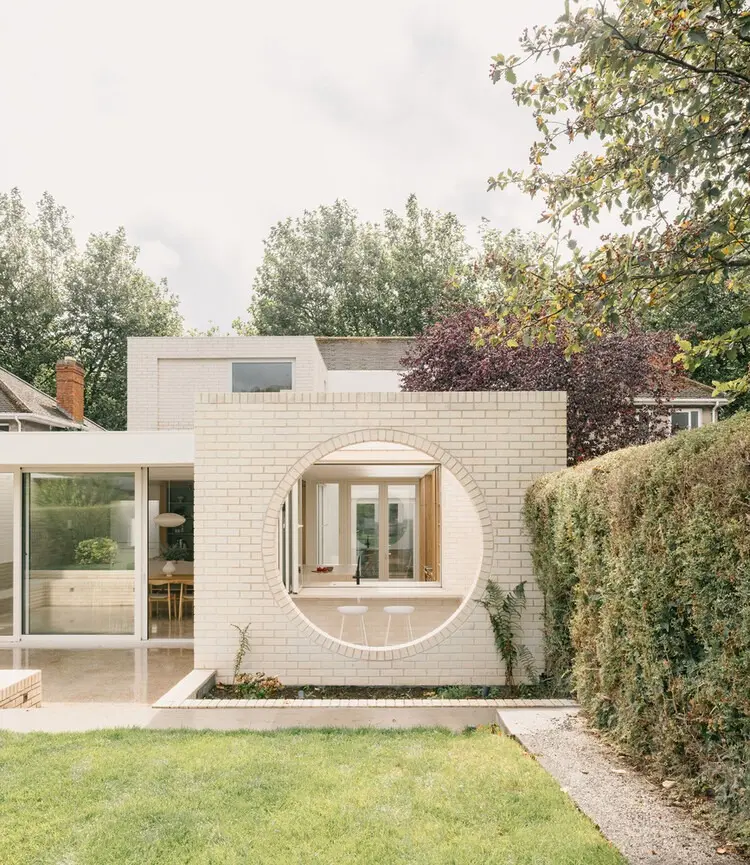
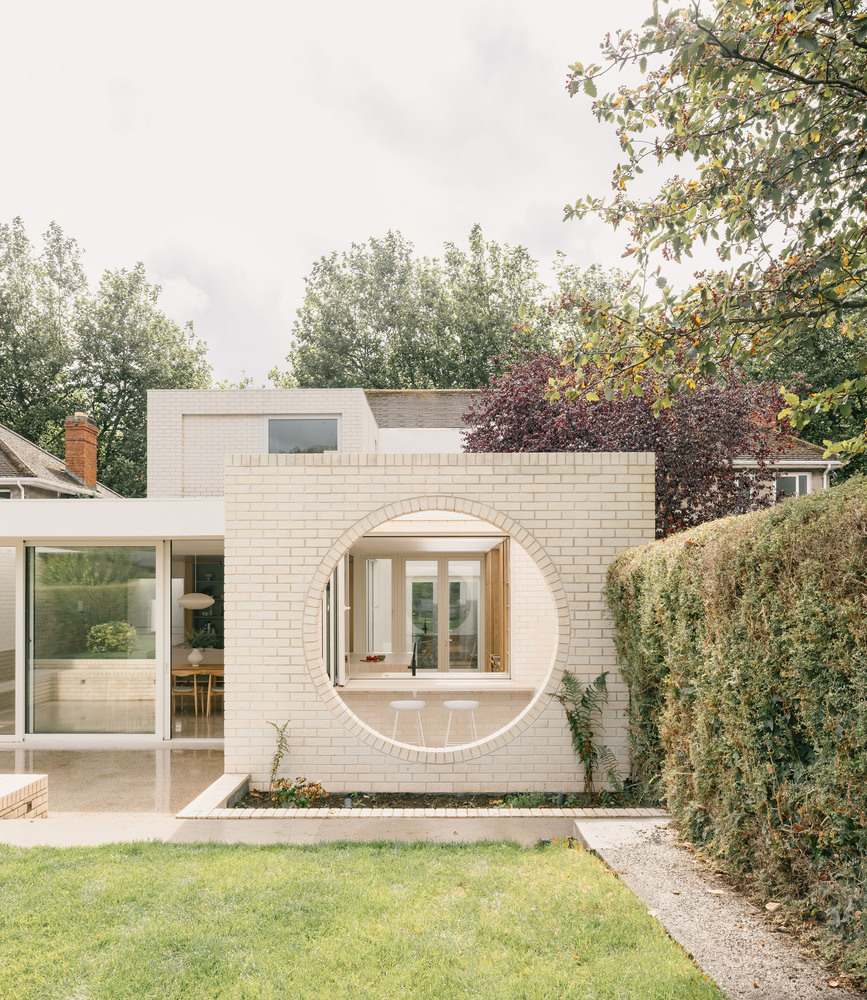
Rather than wiping the slate clean to make way for generic new builds, contemporary Irish architects are increasingly engaging in meticulous surgical interventions within old structures. These practitioners cut deep into aged spatial layouts to admit natural light into once-dark interiors, set striking new modern materials directly against weathered historic stone and timber, and redesign obsolete buildings to support the rhythms of contemporary lives and daily routines. Projects such as the Griffith Avenue House by Courtney McDonnell Architects, Ballymorris House by Donal Colfer Architects, The Urban Cottage by Wrkshop Architects, and the Hanging Gardens Office Building—a collaborative effort by Carr Cotter & Naessens and Denis Byrne Architects—exemplify this rising wave of ingenuity. These works demonstrate how spatial limitations and strict regulatory frameworks can be reframed not as obstacles, but as catalysts for unexpected architectural solutions.
The necessity of working with existing footprints has fostered a distinct design culture across the island. For decades, the dominant global architectural discourse often prioritized expansion, greenfield development, and the erasure of the obsolete. In contrast, Ireland’s architectural community has increasingly turned inward, finding creative liberation in the constraints of what is already there. This approach requires a delicate balancing act. Architects must listen closely to the historical narrative embedded in the walls, foundations, and rooflines of a structure while simultaneously imposing a contemporary functional logic that makes the building viable for modern habitation or commercial use.

This adaptive ethos is particularly visible in the transformation of Ireland’s vernacular architecture. Traditional Irish cottages, once symbolic of rural poverty and emigration, are being reimagined as highly sophisticated, energy-efficient homes. Architects are finding ways to preserve the low-slung, protective profiles of these rural dwellings while expanding their internal capacities through carefully proportioned extensions and double-height living spaces. By integrating modern insulation, discreet glazing, and open-plan layouts without erasing the historical memory of the original structure, these renovation projects bridge the gap between past ways of living and present-day expectations.
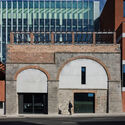
In urban centers like Dublin, Cork, and Limerick, the challenge shifts from isolated rural cabins to dense residential terraces and underutilized commercial blocks. Urban dwellings, constrained by narrow frontages and deep floor plans, often suffer from a lack of daylight in their core rooms. Innovative renovation strategies frequently employ internal courtyards, glazed lightwells, and split-level floors to pull sunlight deep into the heart of Victorian and Georgian terraces. These interventions prove that high-density urban living can be successfully achieved through the recycling and upgrading of existing real estate, reducing urban sprawl while preserving the architectural character that defines Irish cities.

Furthermore, the economic and environmental realities of the twenty-first century have fundamentally shifted the value proposition of older buildings. With construction supply chains volatile and the environmental cost of manufacturing new concrete and steel under intense scrutiny, the preservation of embodied carbon has transitioned from a niche ecological talking point to a central pillar of design practice. Every historic wall that is retained, reinforced, and integrated into a new scheme represents a tangible reduction in greenhouse gas emissions compared to demolition and new construction. Irish architects working within this paradigm are proving that sustainability and high architectural ambition are not mutually exclusive, but rather mutually reinforcing.

As this movement continues to evolve, Ireland is increasingly viewed as an influential laboratory for adaptive reuse. The ingenuity born out of housing necessity, strict planning controls, and a profound respect for the layered landscape has yielded a body of work that resonates far beyond the island’s shores. By treating the built legacy not as a collection of static museum pieces, but as a dynamic material resource for the future, Irish designers are charting a path where necessity continuously fuels invention, ensuring that the buildings of yesterday remain vibrant, habitable spaces for tomorrow.