Before the modern streaming era completely revolutionized how television is consumed, fans of science fiction, horror, and fantasy stories often had to settle for whatever broadcasted closest to their specific tastes. During that transitional television landscape, The Network (The CW) carved out a vital and enduring niche for itself. It became an essential destination for a generation of viewers who wanted to experience the traditional, comforting trappings of teen romance and interpersonal drama elevated by higher-stakes genre elements—whether those elements involved caped superheroes, brooding vampires, or flesh-eating zombies.
Even for audiences who only discovered these series years later through platforms like Netflix or Hulu, titles like The Vampire Diaries and The 100 remain familiar touchstones of 2010s pop culture. However, one of the absolute best examples of that specific era of television ran for five critically acclaimed seasons yet somehow managed to evade a wider mainstream audience, lingering as one of the network’s best-kept secrets. Now, that is finally changing.
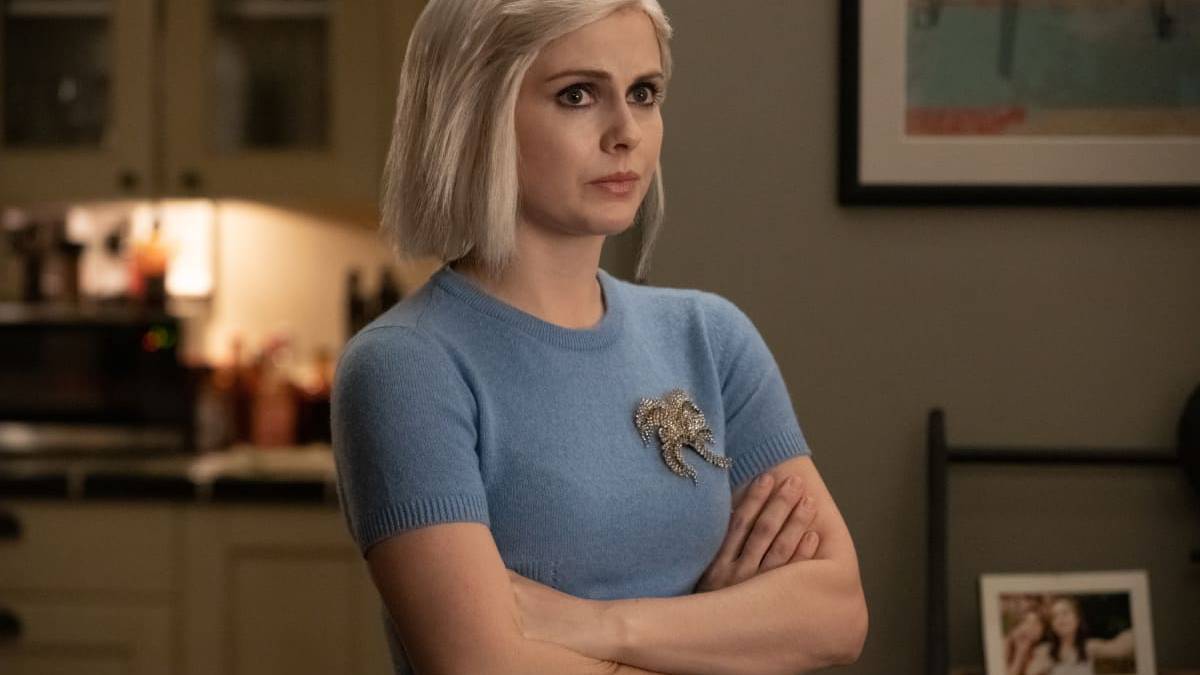
iZombie originally premiered in 2015, positioning it as one of the defining creative statements of the later CW era. The series follows a young woman transformed into a zombie who attempts to lead a meaningful, productive life while desperately juggling a demanding job, complicated personal relationships, and an unshakeable craving for human brains. As of August 1, the entire series has quietly become available to stream completely for free on YouTube. For television enthusiasts who missed it during its initial broadcast run, this release presents the ideal opportunity to dive headfirst into its uniquely bizarre world and fall in love with its idiosyncratic blend of genres.
What is iZombie about?
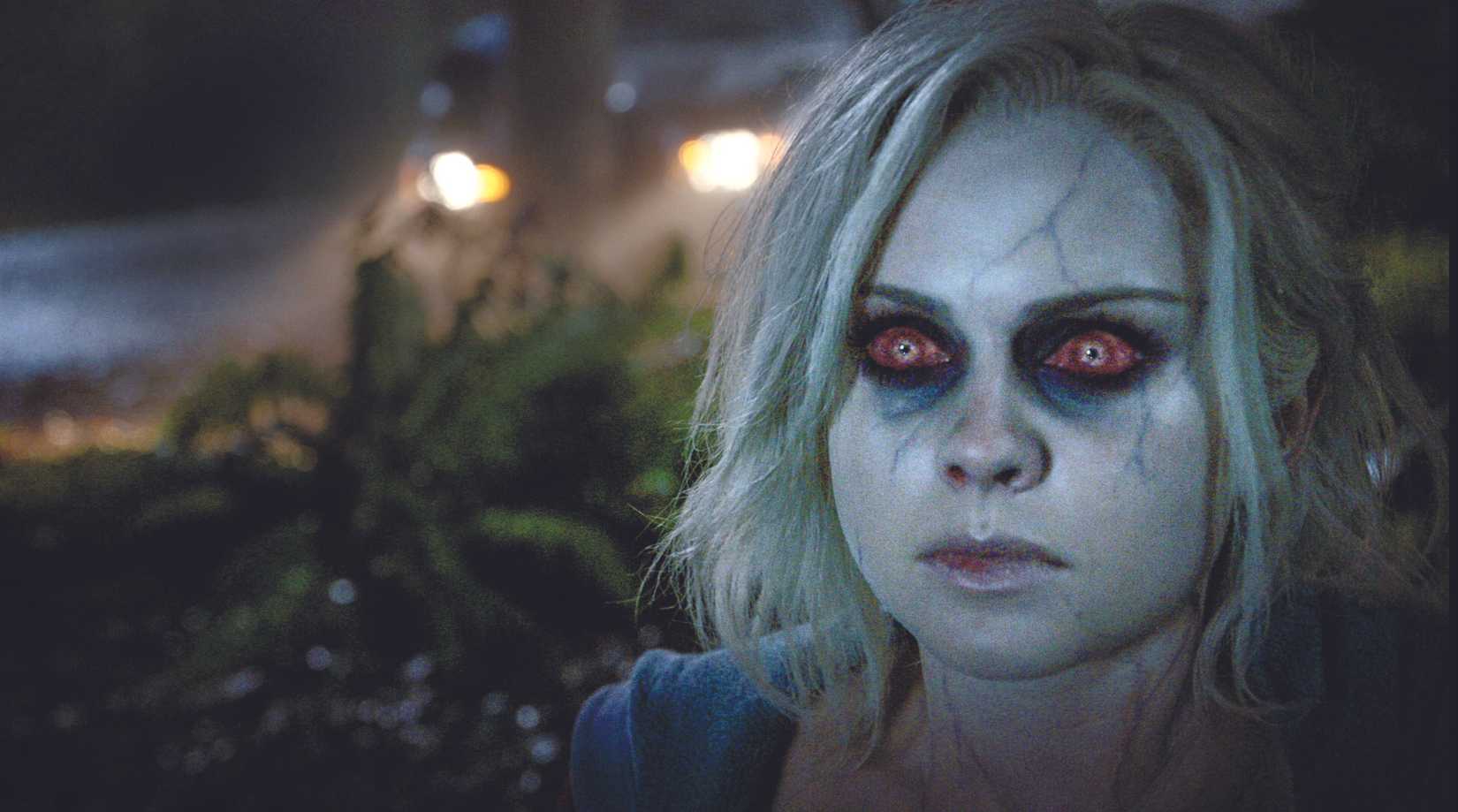
Developed by veteran television creators Rob Thomas and Diane Ruggiero-Wright, iZombie stars Rose McIver as Olivia "Liv" Moore, a bright and promising medical resident living in Seattle. Liv’s picture-perfect life takes an abrupt and terrifying detour when she attends a boat party that is suddenly and violently crashed by a horde of aggressive zombies. Liv survives the harrowing ordeal, but she wakes up drastically changed: she possesses a starkly pale complexion, stark white hair, and an undeniable, horrifying taste for human brains.
This unexpected zombie-fication instantly upends every facet of her existence. To protect the people she loves and avoid exposing her terrifying new reality, Liv makes the painful decision to seclude herself from her friends and family. She abruptly ends her relationship with her seemingly perfect fiancé and radically shifts her career path. Abandoning her years of hard work as a successful hospital resident, Liv takes a job at the local King County morgue. To her family, friends, and colleagues, the career move appears eccentric and melancholic, but Liv knows it is the only place where she can quietly acquire the human brains she needs to survive without sparking suspicion or harming innocent people.

That premise alone would provide enough narrative fuel to carry a full season of television on almost any other show, but iZombie refuses to coast on a single gimmick. Its pilot episode breezes briskly through the heavy setup, immediately establishing a playful, irreverent tone while locking into a clever procedural structure. A brilliant twist is introduced when Liv discovers that whenever she consumes a human brain, she temporarily absorbs portions of that deceased person’s memories, personality traits, and specialized talents.
This mechanism essentially transforms Liv into a psychic medium of sorts, making her an invaluable asset to law enforcement. The format allows the series to truly shine, with showrunner Rob Thomas leaning into dynamic environments and character relationships that echo his previous cult classic series, Veronica Mars. iZombie manages to be chirpy, quippy, and sharply witty, yet it is simultaneously packed with a dark, morbid humor that effectively anchors its escalating narrative twists and turns. In a typical early episode, Liv might consume the brains of a murdered woman to help track down the killer, only to inadvertently inherit the victim’s sudden kleptomania, struggling hilariously to contain an overwhelming urge to steal meaningless objects in the most inconvenient places imaginable.
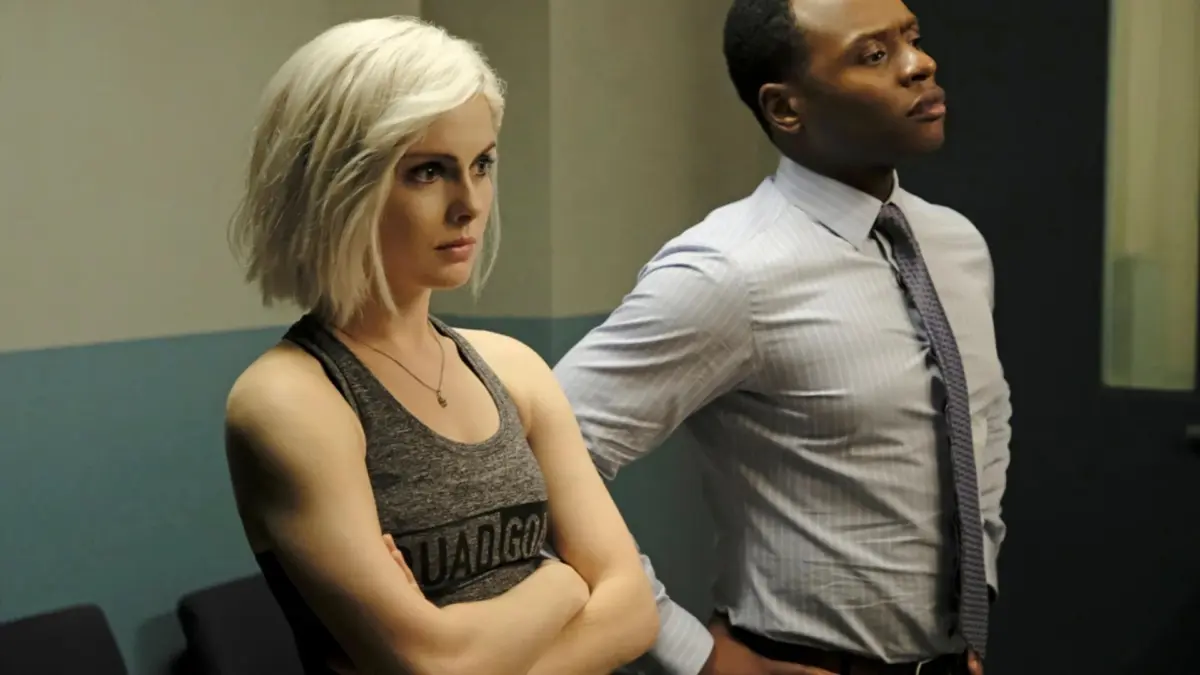
Rose McIver anchors the series with a phenomenal lead performance, striking the exact balance of dark humor and emotional detachment required to make a sweet yet occasionally dangerous zombie protagonist believable and endearing. Throughout the series’ run, McIver’s Liv gravitates naturally within a well-rounded ensemble cast of supporting characters. This includes her well-meaning boss, Dr. Ravi Chakrabarti, played by Rahul Kohli, a morbidly curious medical examiner who becomes Liv’s primary confidant and aggressively searches for a scientific cure. It also includes Detective Clive Babineaux, played by Malcolm Goodwin, a sharp human investigator who is consistently baffled by Liv’s seemingly unexplainable psychic intuition, yet continually relies on her because she mysteriously cracks open his toughest homicide cases.
As the seasons progress, iZombie continuously demonstrates that it is not afraid to push the boundaries of its initial format and genre limitations. What begins as a relatively contained, monster-of-the-week procedural about a young zombie woman solving local crimes slowly unspools into a massive, sweeping conspiracy. The series gradually hits all the traditional, high-stakes beats of the classic zombie apocalypse genre, exploring a widespread outbreak, corporate corruption, military intervention, and the profound societal consequences and political divisions that arise when the human population learns the undead are walking among them.
This ambitious expansion was part of the creative vision from the very beginning. When first discussing the television adaptation back in 2014, Rob Thomas explicitly highlighted his desire to build a deeper narrative framework. Comparing the project to his previous work, Thomas noted that just as Veronica Mars utilized a major overarching murder mystery to anchor each season, iZombie would use a vast, serialized zombie mythology and evolving overarching storylines to serve that exact same narrative role.
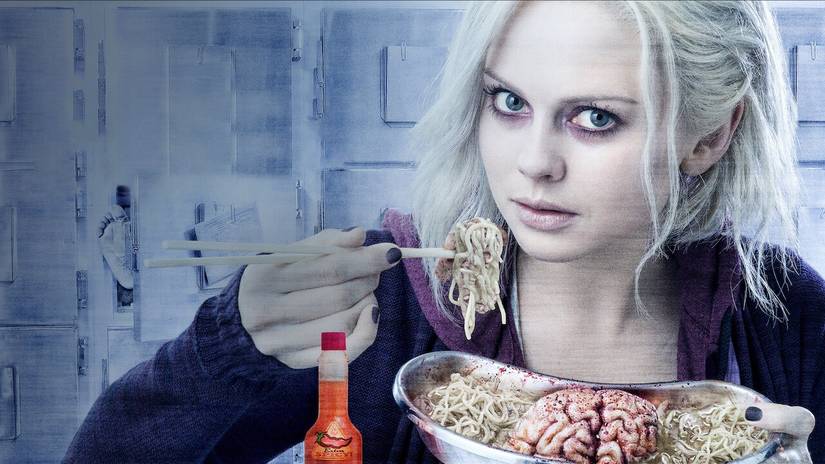
Despite these dramatic shifts in tone, stakes, and expanding mythology, iZombie never loses its identity. It consistently feels like the exact same show, retaining its rom-com essence, warm heart, and signature quirkiness even during moments of extreme crisis. One of the series’ most memorable and distinctive stylistic motifs involves Liv preparing her meals. Rather than indulging in mindless carnage, Liv meticulously cooks the brains she acquires, seasoning them with various gourmet condiments, hot sauces, and culinary preparations in sequences that are simultaneously funny, deeply disturbing, and strangely entrancing—resembling a whimsical, PG-rated television cousin to Hannibal.
The modern media landscape makes it easier than ever for viewers to track down television content tailored precisely to their specific micro-niches. However, a decade ago, the viewing ecosystem was vastly different, and finding a series as distinct and unusual as iZombie felt genuinely special. It often felt as though someone had reached directly into the subconscious of a dedicated horror fan and blended their favorite elements into a single cohesive dish: a heartfelt, will-they-won’t-they romantic dynamic mixed seamlessly with an addictive serial procedural, all sprinkled with a relatable zombie innocently enjoying the perfect serving of brains. While zombies remain massive fixtures of contemporary pop culture—occupying cultural real estate right alongside vampires and werewolves—they are rarely granted the nuanced, empathetic treatment of a complex television protagonist. iZombie proved conclusively that it is possible to take the well-worn concept of the brain-eating undead and reshape it into something thoroughly fresh, inventive, and enduringly entertaining.