The compact crossover segment remains the undisputed battleground of the modern automotive industry. Practically every mainstream manufacturer offers at least one entry in this fiercely contested category, and nearly all of them are chasing the reigning titan: the Toyota RAV4. While recent design trends across the industry have leaned heavily toward rugged, overly aggressive styling, previous iterations of the Hyundai Tucson leaned in a softer, more fluid direction that left some buyers wanting a more muscular stance.
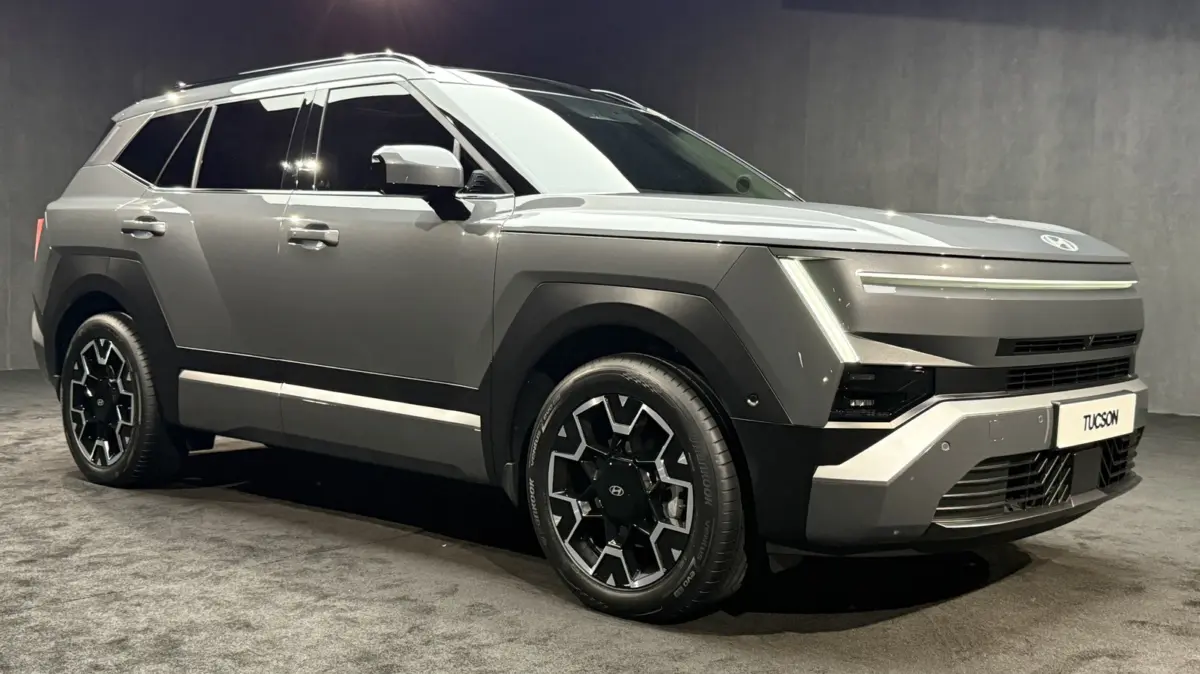
For its fifth generation, Hyundai is changing directions completely. The automaker has unveiled a drastically redesigned 2027 Tucson that breaks entirely from the softer lines of its predecessor, bringing a blockier profile, sharper geometry, and a much more imposing road presence. Alongside the exterior overhaul, the new Tucson features a refined interior cabin, a revamped powertrain lineup that drops the underperforming plug-in hybrid option, and a U.S.-exclusive XRT Pro trim featuring genuine mechanical upgrades. With this sweeping redesign, Hyundai is making a calculated play to capture market share in North America’s most competitive automotive segment.
Looks, Maxxed
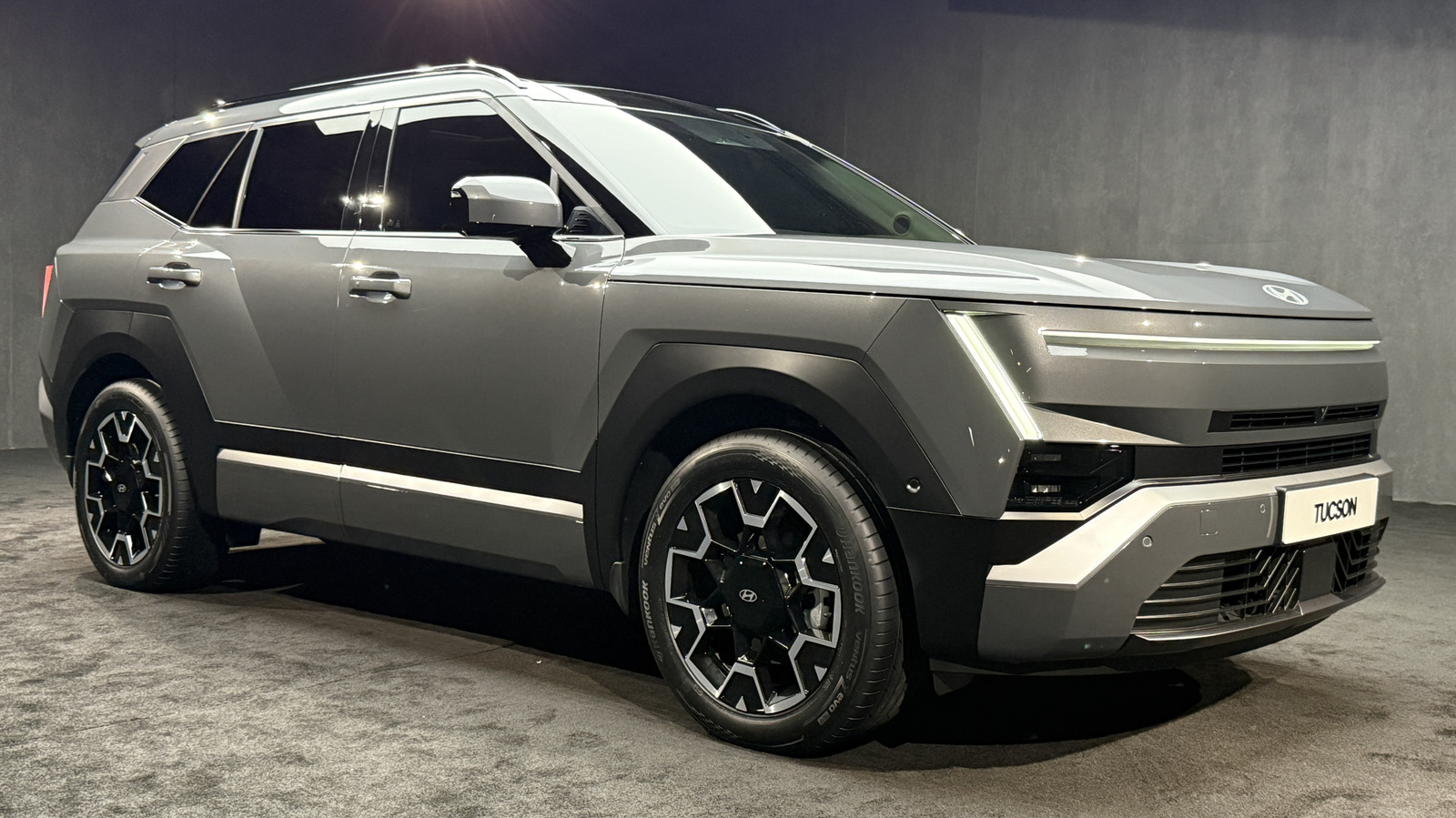
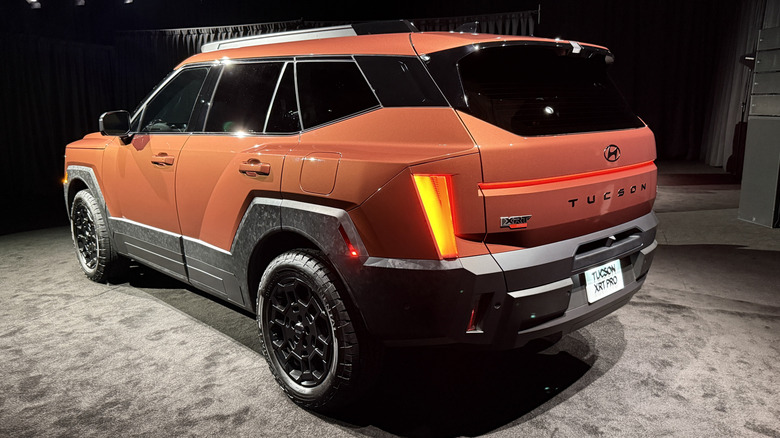
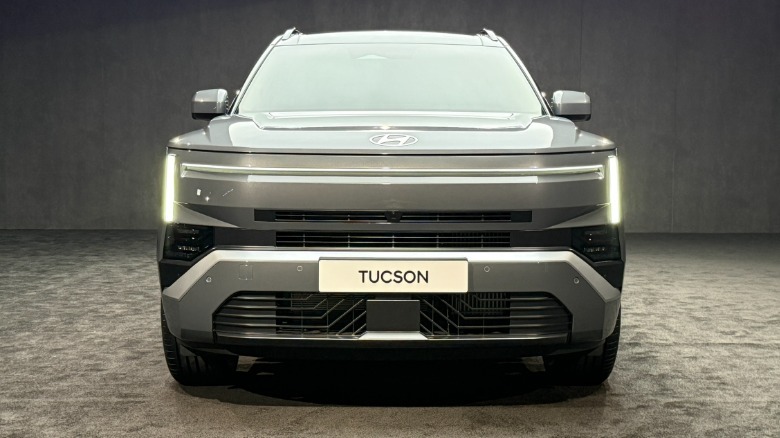
Unlike many manufacturers that favor iterative updates or conservative design evolutions between generations, Hyundai has consistently favored bold reinvention. The fifth-generation Tucson embraces the brand’s "Art of Steel" design philosophy, characterized by sharp angles, complex surface treatments, and slim lighting arrays shaped into distinct H-patterns on both the front and rear fasciae.
The aesthetic draws heavy inspiration from the larger Santa Fe crossover, delivering a muscular, upright posture that stands out in a sea of generic compact SUVs. Despite its boxier, more commanding silhouette, the vehicle achieves an impressive aerodynamic drag coefficient of 0.30.
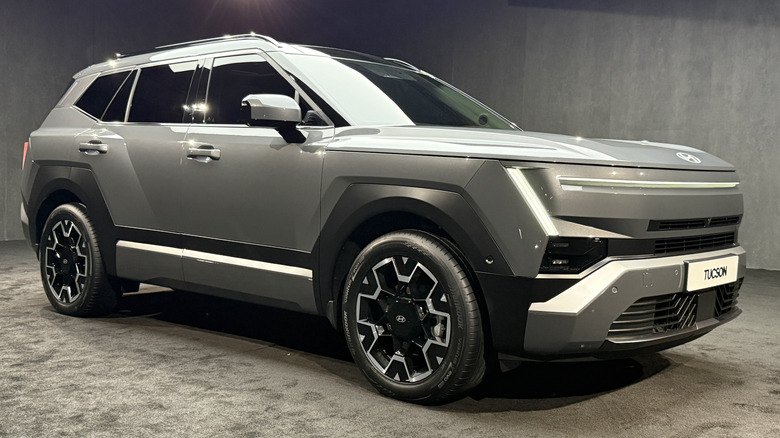
Dimensionally, the new crossover has grown across the board. The 2027 model is 2.4 inches longer, 1.6 inches wider, and 0.8 inches taller than the fourth-generation vehicle. Its wheelbase has been stretched by 1.2 inches, with the majority of that gain translating directly into additional rear-seat legroom. Up front, an upright nose flanked by thin lighting elements gives the vehicle a confident face, with high-end trims offering available Micro Pixel headlights comprised of 25,600 individual LEDs. The rear styling mirrors this intricate detail, highlighted by taillights that remain see-through from side angles.
Hyundai is also introducing an expanded and expressive color palette that moves well beyond the traditional spectrum of black, white, gray, and silver. Four new exterior hues join the lineup: Kodiak Blue Pearl, Ranger Green in both Pearl and Matte finishes, Driftwood Gray in Metallic or Matte, and a standout Red Rock Orange Pearl and Matte. This vibrant orange acts as the hero color for the rugged XRT Pro trim, which features specific hardware modifications designed to enhance real-world capability.
Comfy, Cozy Cabin
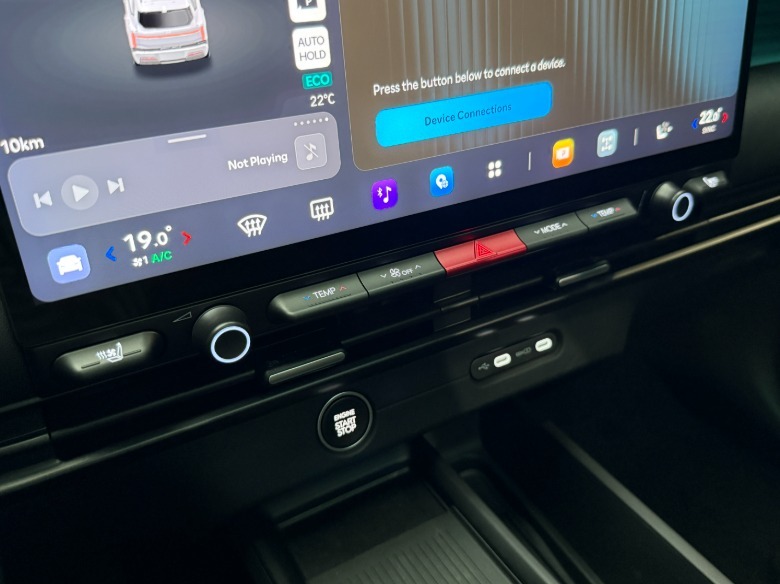
Inside, the transformation is equally thorough. Hyundai describes the 2027 Tucson as a "software-defined vehicle," yet the cabin carefully retains essential physical controls, preserving tactile buttons on the steering wheel and beneath the central infotainment display for primary climate and audio adjustments.
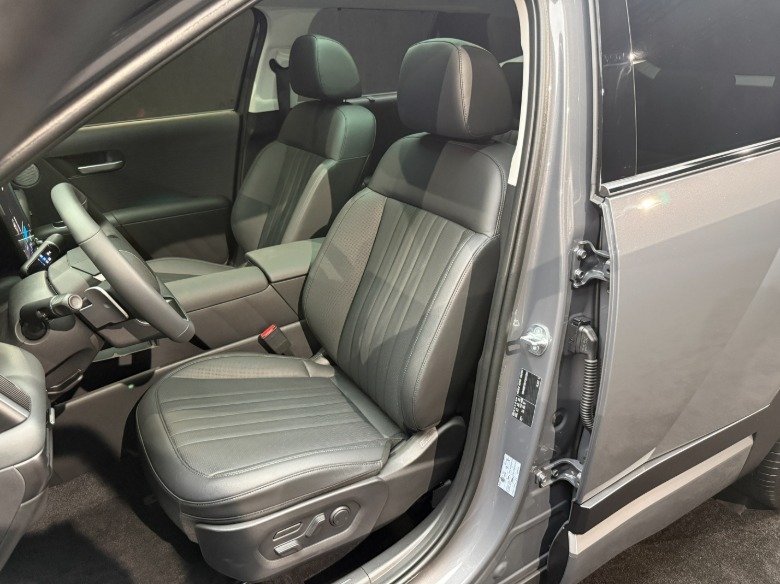
The interior design draws philosophical inspiration from contemporary home furnishings, utilizing soft-touch cushioning and ergonomically contoured surfaces to foster a relaxed environment. This atmosphere is complemented by the available massaging ErgoMotion driver’s seat. The expanded exterior dimensions translate directly into an airy, open cabin experience. Rear-seat passengers benefit from increased head, room, shoulder space, and legroom, allowing average-sized adults to sit comfortably behind taller drivers. Access to the rear row is also improved thanks to rear doors that now open up to an 83-degree angle.
The dashboard and center console feature a minimalist, slim design divided into what Hyundai calls a "two-layered instrument panel architecture." This layout separates form from function by pairing a visually clean horizontal upper shelf with a practical lower storage tray, which can be configured with dual 15-watt wireless smartphone charging pads.
Technology integration centers around Hyundai’s Pleos Connect operating system, designed to minimize driver distraction. A traditional 12.9-inch touchscreen anchors the center of the dashboard. The left portion functions as a driver information hub displaying speed and vital telemetry, while the remainder of the screen serves as a configurable infotainment display utilizing widgets for media, navigation, and third-party applications downloadable through the Pleos ecosystem.
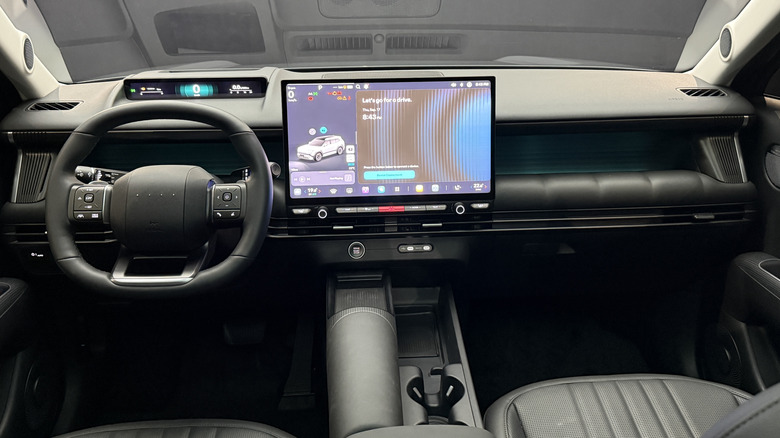
Directly behind the squircle-shaped steering wheel sits a slim, secondary 9.9-inch driver display reminiscent of setups found in modern premium electric vehicles. Engineered to keep the forward field of vision clear, it presents only essential metrics such as vehicle speed, directional prompts, and quick-reference widgets, effectively acting as an integrated head-up display.
Drivetime
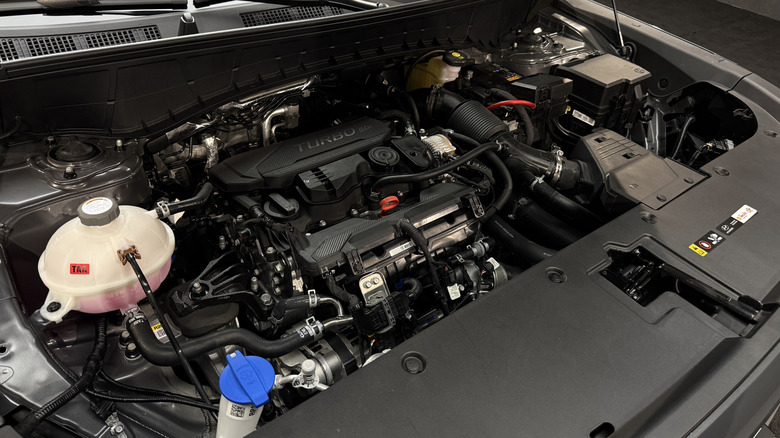
When the 2027 Tucson arrives in American dealerships, buyers will choose between two primary internal combustion powertrain options: a turbocharged 1.6-liter inline-four engine or an electrified hybrid variant built around that same forced-induction motor. The plug-in hybrid variant will not make the transition to the fifth generation in the United States, though it will remain available in select international markets. Meanwhile, the naturally aspirated 2.5-liter inline-four engine has been entirely phased out of the lineup.
The new turbocharged 1.6-liter four-cylinder replaces the base engine, producing 187 horsepower and 195 pound-feet of torque. Power is routed through an eight-speed automatic transmission to either the front wheels or an optional all-wheel-drive system. This configuration pushes the crossover from zero to 60 mph in 9.5 seconds, while returning an EPA-estimated 28 mpg in front-wheel-drive configuration or 26 mpg with all-wheel drive. This base powertrain will be offered across SE, SEL, and Limited trim levels.
Recognizing the immense popularity of traditional hybrid powertrains, Hyundai has updated its hybrid system to deliver 233 horsepower and 280 pound-feet of torque. Power flows through a six-speed automatic transmission to front- or all-wheel-drive layouts. When properly equipped with front-wheel drive and 17-inch wheels, the hybrid achieves an impressive EPA-estimated 42 mpg combined, while even all-wheel-drive variants return a competitive 38 mpg. The hybrid accelerates from zero to 60 mph in a brisk 8.5 seconds.
The hybrid model also introduces functional technology such as "Stay Mode," which draws power for interior climate and accessory systems directly from the high-voltage hybrid battery rather than idling the gasoline engine. Additionally, an electronic E-Traction system dynamically shifts torque between individual wheels when slippage is detected. The hybrid powertrain is available across the SE, SEL, and Limited trims, and serves as the exclusive powerplant for the trail-oriented XRT Pro model, which requires the extra torque to compensate for the added weight and aerodynamic drag of its higher ride height and aggressive all-terrain tires.
Advanced driver assistance systems round out the dynamic package. Navigation-linked adaptive cruise control uses map data to proactively reduce vehicle speed ahead of sharp highway curves, upcoming topography changes, and road features like speed bumps. Additional electronic aids include Smart Terrain Assist, Target Speed Control, Memory Reverse Assist, Ground View Monitor, and Trailer Reverse Assist.
Never Rest
Hyundai has experienced sustained success with the Tucson nameplate since its debut in 2004, accumulating global sales of 10 million units and coming off a record-breaking sales year in 2025 that saw more than 235,000 units sold in the U.S. alone.
Despite this commercial momentum, the automaker shows no inclination toward complacency. Company executives emphasize that the radical styling of the fifth-generation Tucson was intended to be deliberately bold. By pairing eye-catching exterior design with significant improvements in fuel efficiency, interior packaging, and digital architecture, Hyundai aims to maintain its competitive edge against segment leaders like the Toyota RAV4 as the compact crossover market evolves.