The U.S. National Highway Traffic Safety Administration holds regulatory authority over virtually every physical component on automobiles manufactured and sold within the United States. Yet, despite its sweeping oversight, the agency has historically struggled to maintain a reputation for being progressive, proactive, or timely with its legislative updates. Automotive enthusiasts and everyday drivers alike are well familiar with the lingering relics of outdated American policy. Generations of car buyers have noticed how U.S.-market vehicles from decades past featured visibly altered, often bulkier or less aesthetically pleasing headlights compared to their international counterparts.
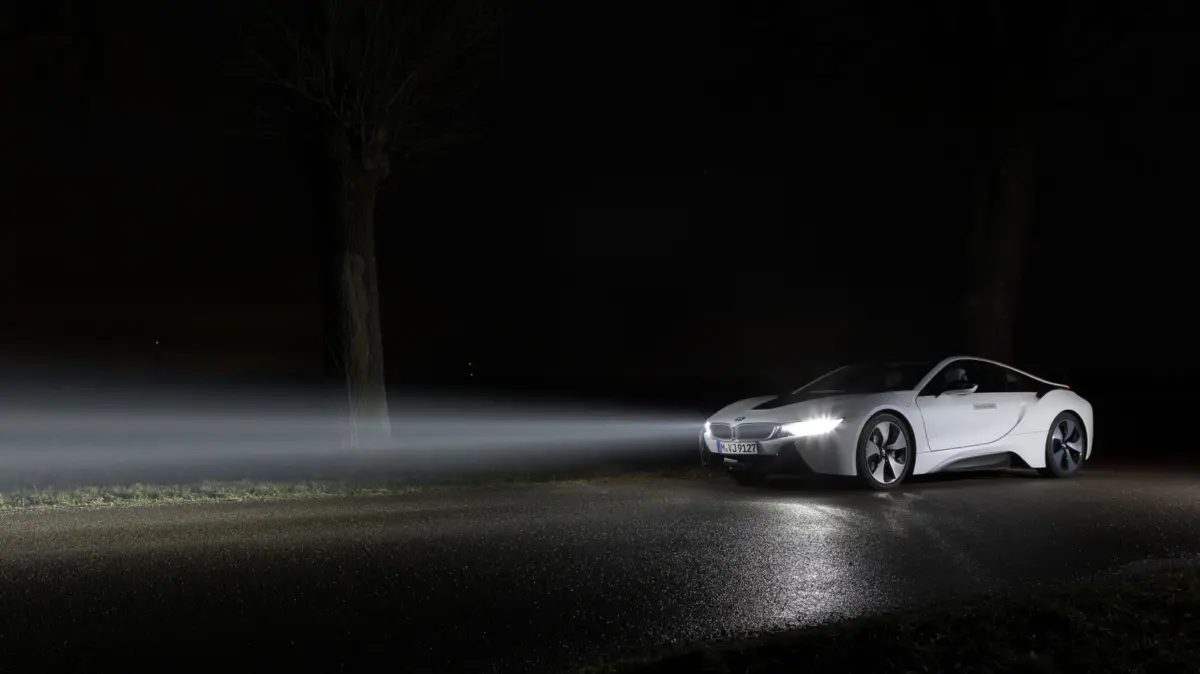
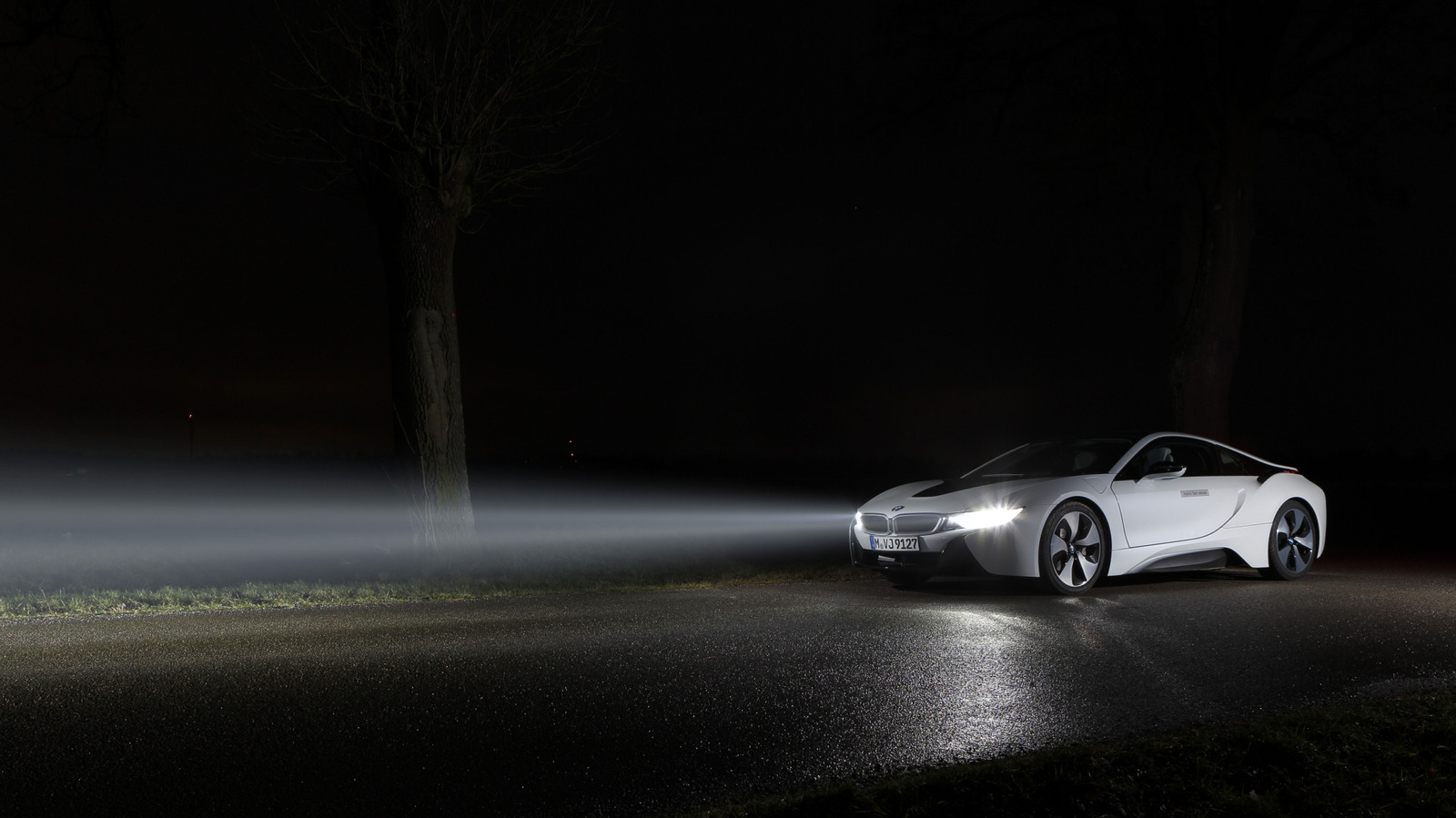
These stylistic and functional discrepancies were not accidental; they were direct consequences of rigid, outdated NHTSA regulations that failed to keep pace with rapid engineering advancements. Even today, federal automotive standards prohibit car manufacturers from offering some of the most sophisticated, safety-oriented illumination technologies available globally. Among these restricted innovations are advanced matrix beam headlights and adaptive driving systems designed specifically to optimize nighttime visibility while actively preventing the blinding glare that often plagues oncoming motorists.
Seeking to finally bridge this widening technological gap, the agency announced a collaborative initiative aimed at rectifying these long-standing concerns. Working alongside a diverse coalition of industry experts, manufacturers, and safety advocates, the regulatory body has pledged to overhaul its lighting requirements—and officials insist the effort will yield tangible results this time around.
At the heart of the regulatory framework is Federal Motor Vehicle Safety Standard No. 108, the foundational rule governing all vehicle lighting equipment deployed on U.S. roads. Although the agency implemented an amendment to the lighting standard, the revision fell remarkably short of expectations. Rather than harmonizing domestic rules with the progressive standards adopted by the vast majority of other industrialized nations, the 2022 update proved largely insufficient, resulting in minimal real-world improvement for drivers navigating American roadways.
Recognizing the shortcomings of past attempts, regulators are taking a more inclusive approach. By partnering directly with a coalition consisting of 18 vehicle lighting manufacturers, safety organizations, motor vehicle equipment associations, research institutions, and prominent engineering associations, the agency is deliberately seeking broad industry consensus. The goal is to draft a comprehensive revision that finally addresses modern lighting capabilities and withstands the test of time, ensuring that future regulations encourage innovation rather than stifle it.
It Could Be the First Meaningful Update to the Rules in 25 Years
Addressing the necessity of the upcoming overhaul, Administrator Jonathan Morrison emphasized the urgent need for regulatory evolution. In a statement detailing the agency’s renewed focus, Morrison noted that contemporary standards simply do not accommodate the deployment of the latest safety-improving lighting technologies. By bringing key experts and stakeholders together under one collaborative umbrella, the agency aims to modernize its standards while actively targeting the root causes of driver-disrupting glare.
The scope of the upcoming regulatory update is extensive, narrowing its focus onto five distinct priority areas. First and foremost, the initiative seeks to align domestic U.S. regulations with established international safety standards, creating a more uniform global marketplace for automotive design. Secondly, the framework places significant emphasis on mitigating headlight glare for other road users, a frequent complaint among motorists navigating modern highways populated by increasingly bright LED systems. The remaining focus areas involve improving overall lighting performance, updating outdated testing procedures and material specifications, and modernizing the broader classification of lighting technology by establishing clear, forward-looking rules for LEDs, dusk sensors, automatic high-beam activation, and replaceable light sources.
For consumers, the potential implications of these modernized standards extend far beyond highway safety and visibility. Under current regulatory frameworks, many modern LED headlights and taillights are engineered as singular, integrated modules. When a single element within the assembly fails, vehicle owners are frequently forced to replace the entire lighting unit rather than simply swapping out a burnt-out bulb. These design constraints can result in repair bills totaling thousands of dollars for routine maintenance issues.
The agency’s stated intention to update testing procedures and materials includes specific provisions designed to streamline evaluation protocols for plastic optics and replaceable lenses. Furthermore, the explicit inclusion of provisions regarding replaceable light sources suggests that future regulations could compel automakers to design more serviceable lighting assemblies, ultimately making the replacement process significantly more affordable for everyday vehicle owners.
Despite the ambitious scope of the announcement, the initiative remains in its preparatory stages. As of now, the latest announcement represents a formal commitment to undertake the comprehensive revision in close partnership with industry stakeholders, meaning that no formal changes to the Federal Motor Vehicle Safety Standards have been enacted yet. The rulemaking process will require extensive research, public commentary, and technical evaluations before any new rules take effect.
Nevertheless, the automotive landscape has already begun to shift. Some manufacturers have recently navigated existing legal pathways to introduce increasingly sophisticated lighting features to the American market, such as the advanced illumination systems featured on newly redesigned vehicles like the Audi Q7. As regulators and industry experts sit down to renegotiate the rulebook, the prospect of safer, more efficient, and less blinding roadways draws closer to reality.