The modern travel experience has, in many ways, become increasingly sterile. As the digital transformation of the hospitality industry has matured, the foundational promise of the peer-to-peer home-sharing economy—the "homestay" experience—has frequently been eclipsed by the rise of third-party property management firms. For many travelers, the intimacy of staying in a local’s home has been replaced by the transactional efficiency of anonymous lockboxes, digital keypad codes, and automated chat-bot responses. The personal touch that once defined the early days of Airbnb is often buried under layers of professional, detached management, leaving the guest feeling more like a customer in a hotel than a visitor in a neighborhood.
However, a recent stay at Casa Astória in Porto, Portugal, serves as a poignant reminder that the original spirit of the home-sharing model is not dead; it simply requires finding the right hosts. In an era dominated by corporate-run listings, properties that function as true extensions of the host’s own residence stand out as rare, soulful jewels. These arrangements—where the owner lives in the same building or just upstairs—offer a distinct advantage: they provide the perfect balance of genuine human interaction and the necessary privacy that travelers crave.
The Architect’s Touch in Porto
Porto, Portugal’s second-largest city and a burgeoning hub for international tourism, is a landscape of steep cobblestone streets, iconic bridges, and a deeply embedded architectural history. It is here that Francisco, a Porto-born architect and veteran "superhost" with 14 years of experience, has curated a unique hospitality experience. Unlike the absentee landlords common in today’s market, Francisco is a constant presence. He owns the historic 1830s building that houses his rental units and resides on the top floor with his wife and newborn child.
The experience at Casa Astória begins not with a lockbox, but with a welcome. Upon arrival, guests are often greeted in the shared backyard, where Francisco is frequently accompanied by Hydra, his friendly Bernese mountain dog. This immediate, face-to-face introduction sets a tone of hospitality that is miles away from the standard, automated check-in procedures of larger, corporate-managed rentals.

For guests, this connection translates into an invaluable, localized knowledge base. Rather than relying on static, generic digital guidebooks, those staying at Casa Astória benefit from the architect’s deep roots in the city. Francisco provides a curated list of restaurant recommendations and authentic local attractions that bypass the typical "over-touristed" traps. It is a level of service that transforms a standard stay into an immersive experience, offering the kind of insights that only a local resident—and one with an eye for design—could provide. Francisco’s dedication to his guests is further underscored by his management of a second unit in the same building: a two-bedroom flat that offers sweeping views of the river, catering to those looking for a different configuration while maintaining the same high standard of personal care.
Design and Domesticity: Living in a Historic Space
The attention to detail at Casa Astória is not merely limited to the hospitality; it is embedded in the very fabric of the building. Francisco’s architectural background is on full display within the renovated 1830s structure. The foyer serves as a masterclass in aesthetic curation, featuring a collection of vintage rugs, antique furniture, and shelves adorned with eclectic, museum-worthy collectibles.
Stepping into the "Arts Apartment," the one-bedroom unit that serves as the centerpiece of this experience, one quickly realizes that the space prioritizes character and atmosphere over pure, utilitarian space. While it may lean more toward the aesthetic than the highly functional, the trade-off is clear. The apartment is compact and makes efficient use of its footprint, sacrificing large-scale closet space for a sense of charm and intimacy. For the transient traveler—perhaps someone on a three-night excursion—this is rarely a deal breaker. The experience of living in such a beautifully preserved, historic environment is a reward in itself.
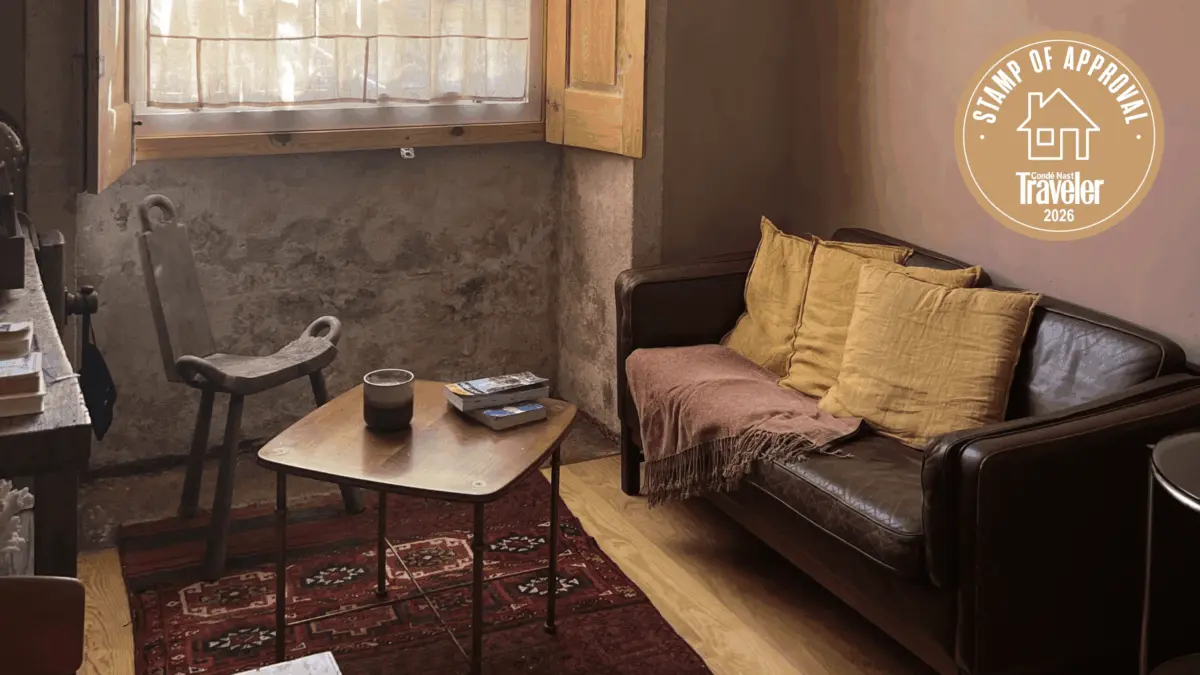
The interior design choices further emphasize this warmth. Earth-toned walls, carefully selected art, and thoughtful lighting give the apartment a lived-in, comfortable feel that is difficult to replicate in the sanitized interiors of corporate short-term rentals. The kitchenette is rudimentary—equipped with a mini fridge, a stovetop, and the essential tools for a simple breakfast or a light snack—but it is complemented by thoughtful additions, such as multiple coffee-making options, which cater to the rituals of morning travelers.

The living area, featuring a two-person wooden dining table and a comfortable leather couch, is designed for those moments of quiet reflection. In the morning, sunlight floods the room through large windows; at night, the space transforms into an intimate setting, enhanced by the presence of a vintage stereo system and a Bluetooth radio. It is the kind of atmosphere that invites guests to open a bottle of local wine and simply settle in, rather than feeling the constant pressure to be out on the streets.
Privacy and Practicality in the Heart of Sê
The bedroom continues the theme of comfort, featuring a full-size bed outfitted with high-quality linens and supportive pillows. The layout of the bathroom, which separates the sink and shower area from the toilet, is a functional choice common in historic European buildings. While the lack of a door for the bathing area might pose a challenge for some travelers, the presence of a private, enclosed space for the toilet maintains a necessary level of discretion. For friends traveling together, the setup is manageable with a bit of coordination—utilizing the living room and bedroom as separate storage zones allows for a surprising amount of personal space despite the compact nature of the unit.
The apartment’s location in the Sê neighborhood is perhaps its greatest asset. Situated at the top of the Escadaria dos Guindais, it places guests within a stone’s throw of the iconic Luís I Bridge—a spot where tourists flock for the perfect photograph of the city. While the street-level noise occasionally drifts into the living room, the bedroom remains a quiet sanctuary, ensuring that sleep is rarely interrupted by the hum of the city.
This central position offers unparalleled access to the river district, the village of Gaia, and major cultural landmarks like the Catedral de Porto and the Mercado do Bolhão. Yet, the real magic of Sê lies in its steep, winding cobblestone streets. During the stay, it is common to stumble upon spontaneous, local cultural experiences. From pop-up art exhibits held in the ruins of abandoned buildings to hidden bars tucked away along the river, the neighborhood is a living, breathing testament to Porto’s creative spirit. One such highlight, the Bolina Bar, serves as a prime example of the kind of authentic local experience that is made possible by being located in the heart of the city, rather than in a distant, tourist-centric hotel zone.

A Sanctuary Above the City
Beyond the walls of the apartment, the property offers a shared garden—a rare and prized feature in such a dense urban environment. This outdoor space provides a sweeping, panoramic view of the city and the river below. For many guests, this garden becomes a "sunny sanctuary," a place to enjoy a morning coffee or to read during the quiet hours of the afternoon. It provides a necessary reprieve from the exertion of exploring Porto’s many hills, acting as an extension of the living space that offers a breath of fresh air and a perspective on the city that is both tranquil and awe-inspiring.
The overall value of the stay at Casa Astória is reinforced by the combination of its prime location, the aesthetic beauty of the historic building, and the genuine, attentive nature of the host. The pricing is competitive and fair, accurately reflecting the unique experience provided. It is a destination ideally suited for solo travelers, couples, or friends who value the experience of living in a local, thoughtfully designed space over the amenities of a traditional hotel.
As international connectivity to Porto continues to improve, with major carriers like United Airlines and Delta offering direct, non-stop routes from the United States, the city is becoming more accessible than ever. For those planning a return trip, the appeal of returning to Casa Astória—to see the city from the garden and to be greeted once again by Hydra at the front door—remains a powerful draw. It stands as a testament to the fact that, even in a changing global travel landscape, the human element remains the most vital ingredient in a memorable stay.