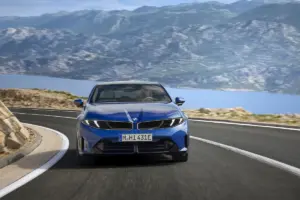
Getting a good deal on any major purchase brings a distinct feeling of satisfaction, but securing a great bargain on something as expensive as a new automobile is uniquely rewarding. Virtually everybody wants to strike a deal when buying a car, yet very few people genuinely want to advertise to the world that they bought the cheapest version available. Historically, however, that is precisely what ended up happening with low-specification vehicles. In the golden eras of automotive manufacturing, entry-level trims of most mainstream cars proudly projected their "stripper spec" status through glaring visual cues such as unpainted bumpers, raw black plastic wing mirrors, and other naked trim pieces that screamed budget-conscious frugality.
Over the decades, the automotive industry underwent a fascinating psychological and design shift. Modern car companies eventually realized they could actually charge extra for all that raw black plastic, repositioning it as a desirable, rugged aesthetic feature when affixed to the body panels of modern hatchbacks and crossovers. What was once a clear sign of poverty-spec trim levels has been successfully rebranded as off-road readiness or urban-chic utility. Yet, even with these clever design manipulations, certain modern vehicles still manage to make it abundantly clear that their owner opted for the absolute rock-bottom base model. The visual compromises remain glaring to anyone with a discerning eye, sparking a timeless debate among automotive enthusiasts about which current production cars wear their entry-level status most conspicuously.
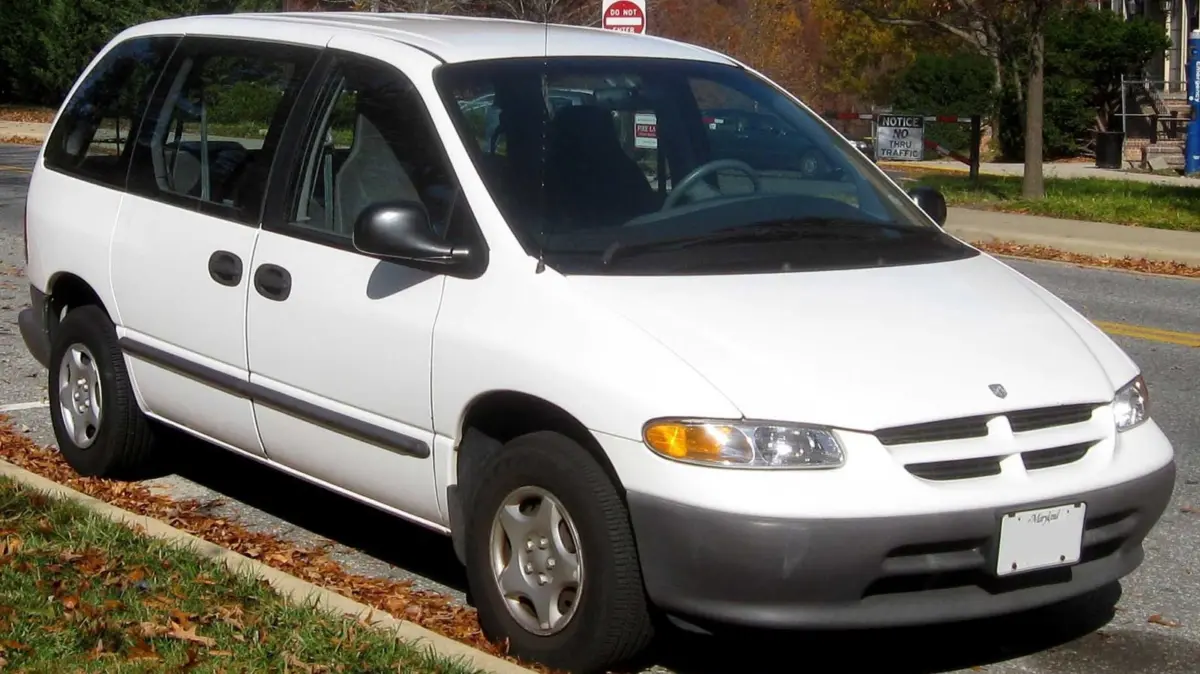
Reflecting on automotive history reveals just how far budget trims have evolved, even if the underlying economics of cheap cars remain unchanged. Growing up with a family vehicle like a 1996 Dodge Grand Caravan in the cheap SE trim meant living with a middle bench seat and utilitarian black plastic door handles and mirrors. For a young car enthusiast, admiring the higher-tier Grand Caravan Sport trim with its alloy wheels and body-colored trim was a daily exercise in automotive envy. Yet, finding solace in small victories—such as having dual sliding doors back when that was considered a major family vehicle flex—helped soften the blow of driving a base model. Because beggars cannot be choosers, practical family haulers of the past get a pass, but the modern landscape of glaringly obvious base models is an entirely different story.
I think the BMW X2 makes it most obvious that you bought a base model
Observing the modern automotive landscape reveals a steep uptick in the number of base-trim BMW X2 rental cars steadily slowing down traffic in major metropolitan areas over the past few months. The immediate thought that crosses the mind of any observant driver upon spotting one is simple: the non-M-Sport cars look remarkably cheap for a luxury vehicle.
The current generation of the BMW X2 is hardly the most gracefully styled vehicle on the market, but when ordered in its base form—designated simply as the Sport trim in BMW’s current nomenclature—the vehicle looks downright peculiar. The visual downgrade goes far beyond mere badge prestige. The front fascia undergoes a dramatic transformation: the aggressive, chiseled hourglass shape of the grille found on the proper M Sport trim is replaced by a goofy, awkward grin on the plain old Sport trim.
However, the single most egregious and undeniable sign of the base model is the unpainted black plastic wheel arch trim and side skirts. This modern design choice feels like a direct callback to budget minivans of the 1990s, utilizing raw, textured dark plastic to cover the lower extremities of the vehicle in an attempt to save manufacturing costs while superficially mimicking rugged cladding.
To top it all off, the vast majority of these base-spec rental X2s clogging city streets are finished in stark white paint. This specific color choice offers the absolute highest possible contrast, highlighting every square inch of that nasty-looking black plastic ring running along the perimeter of the car, perfectly framing its wacky, Waluigi-esque mustachioed grin. It serves as a rolling billboard for the baseline configuration, ensuring that nobody inside can pretend they splurged on the options list. Beyond the styling quirks of the German crossover, the phenomenon of the obvious base model remains a widespread quirk across the entire automotive industry, prompting a broader conversation among drivers about which other vehicles instantly betray their budget-friendly origins.