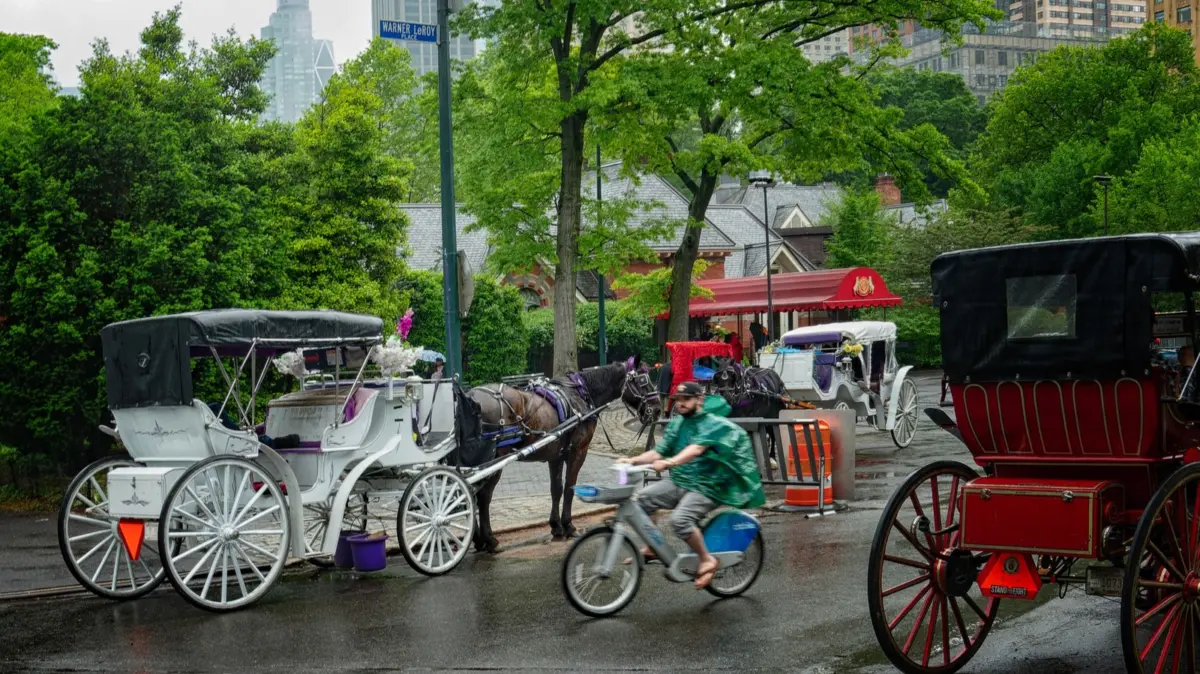
New York City has long served as a focal point for intense cultural and political debates, but few local controversies have endured as long or generated as much passion as the dispute over horse-drawn carriages in Central Park. For years, the picturesque yet increasingly contentious tradition has divided animal welfare advocates, tourism officials, local politicians, and the carriage operators themselves. Now, that decades-long debate is drawing to a close. Under the leadership of Mayor Zohran Mamdani and City Council Speaker Julie Menin, the city is moving forward with landmark legislation to officially ban horse-drawn carriages from Central Park, bringing an end to an era of urban tourism that has defined Manhattan for generations.
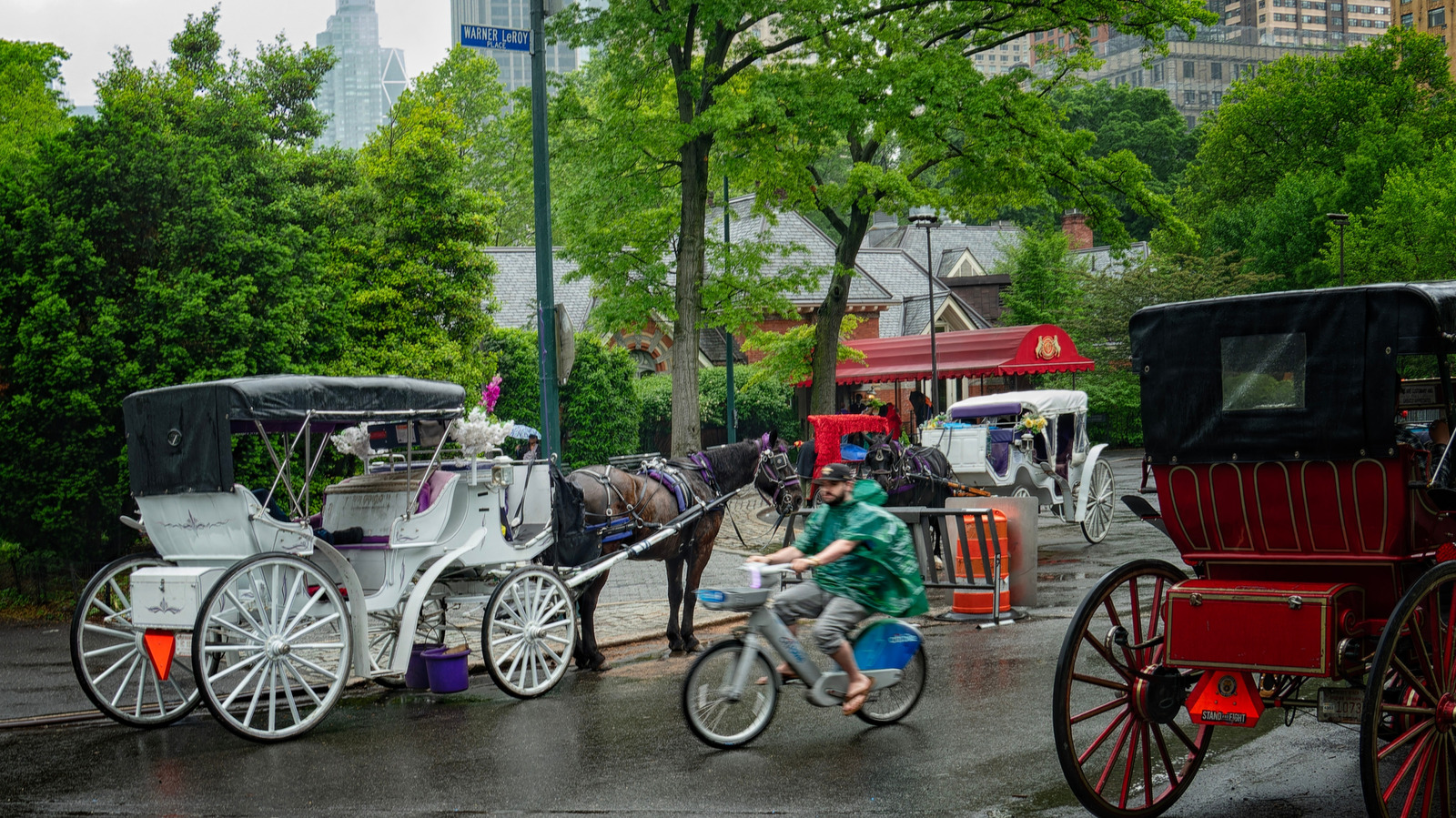
The decision to eliminate the carriage industry marks the climax of a protracted political struggle. While recent momentum has been accelerated by public outcry following high-profile incidents—including the tragic death of a teenager earlier this year—the opposition to urban carriage horses is rooted in years of sustained activism. Critics of the practice have long argued that the densely packed, high-stress environment of modern Manhattan is fundamentally unsuited for large animals. Unlike the open pastures and rural environments where horses can roam and graze freely, the asphalt streets, heavy vehicular traffic, extreme summer heat waves, and freezing winter temperatures of New York City create a grueling existence for the animals involved. Animal rights organizations have consistently pointed out the welfare risks, arguing that forcing horses to labor amidst honking horns, exhaust fumes, and unpredictable city traffic is inherently inhumane, regardless of regulatory oversight.
Conversely, supporters of the industry, including drivers, stable owners, and certain segments of the tourism sector, have defended the practice as a cherished historical touchstone. For decades, carriage rides outside iconic locations like the Plaza Hotel and Tavern on the Green have been marketed as a quintessential New York experience, popularized by countless films, television shows, and romanticized depictions of the city. Proponents have argued that the horses are well-cared for, strictly regulated by municipal agencies, and represent a living link to the city’s 19th-century history. However, as shifting public attitudes increasingly prioritize animal welfare and urban modernization, the political calculus surrounding the industry has steadily eroded in favor of a ban.
Mamdani wants the horses gone
The political alignment between the executive and legislative branches has effectively sealed the fate of the industry. A spokesperson for City Council Speaker Julie Menin confirmed the administration’s decisive stance in an announcement to political media, signaling a unified front at City Hall. Mayor Mamdani subsequently reinforced the policy shift through public statements and social media, declaring unequivocally that the horse carriage industry in New York City has reached its final chapter.
Elaborating on the administration’s next steps during subsequent press briefings, Mayor Mamdani acknowledged that while the policy direction is clear, the operational logistics require careful management. He emphasized that the transition plan is still being finalized through ongoing negotiations designed to protect both the workers and the business owners whose livelihoods depend on the trade. The path forward involves balancing the urgent mandate of animal welfare with the economic realities faced by individuals who have spent their careers working within the carriage trade.
The legislative process is moving swiftly. The bill to ban the carriages is officially scheduled to go to a full vote before the New York City Council, where current projections indicate it possesses more than enough support to pass comfortably. However, the legislation does more than simply prohibit the carriages from entering Central Park; it also establishes a strict framework for phasing out the industry. The bill mandates that the city’s remaining carriage horses must be protected, explicitly prohibiting them from being sold off for slaughter or subjected to other abusive fates. Furthermore, the legislation places the responsibility on the Mayor’s office to formulate and implement a comprehensive transition plan no later than April 1, 2027. This plan must address complex logistical details, including job retraining or placement programs for former carriage operators, as well as fair compensation mechanisms for the license holders and business owners affected by the closure.
While the impending ban may come as a disappointment to tourists whose expectations of Manhattan are shaped by romanticized media portrayals, city officials and advocates maintain that the policy represents a progressive step forward for a modern metropolis. The elimination of the carriage trade resolves a chronic ethical and logistical conflict in the heart of the city’s most famous green space, prioritizing the well-being of both human residents and the animals that have long labored alongside them. As the city prepares for the legislative vote and subsequent transition period, attention is already turning toward what might eventually replace the iconic carriages. Decades-old proposals for vintage-style electric vehicles and other horseless alternatives are once again drawing interest as a potential eco-friendly way to offer scenic park tours, ensuring that while the horses may finally leave Central Park, the tradition of leisurely park transport may simply evolve to meet the standards of the twenty-first century.