In a breakthrough that could reshape our understanding of how the human body repairs its sensory systems, researchers at Tufts University School of Medicine and the Graduate School of Biomedical Sciences (GSBS) have identified a critical, previously overlooked function of specific stem cells in the nose. By utilizing a newly engineered three-dimensional tissue model, the team has discovered that a type of stem cell long considered dormant actually serves as a vital engine for regenerating the nerve tissue responsible for our sense of smell.
This finding offers a promising new lens through which to view the mechanisms of olfactory loss—a condition that has gained significant public health attention following the COVID-19 pandemic and its well-documented impact on chemosensory function.
The Remarkable Regenerative Power of the Nose
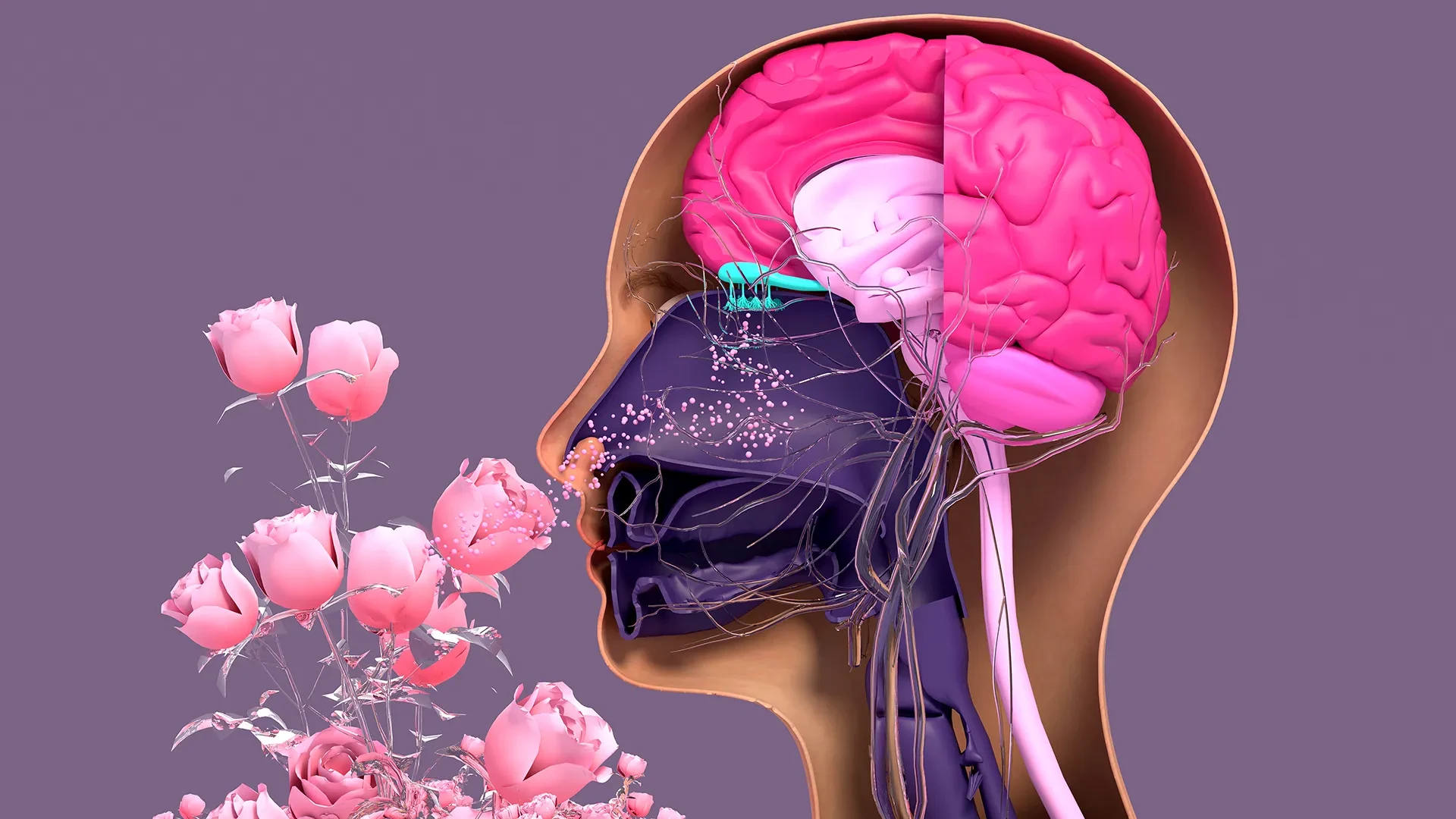
The human olfactory system is an anatomical marvel. Unlike the central nervous system, where nerve damage is often permanent and irreversible, the sensory neurons within the nasal cavity possess a unique and robust ability to regenerate throughout a person’s entire life. This continuous renewal is essential, as these neurons are in direct contact with the external environment, leaving them perpetually exposed to pathogens, toxins, and environmental pollutants that can cause cellular damage.
However, this regenerative capacity is not infinite. A variety of factors—ranging from persistent viral infections and toxic exposure to the natural, gradual process of biological aging—can impede the function of these cells. When the delicate cycle of replication and repair is disrupted, the result is often a partial or complete loss of smell, known clinically as anosmia. Understanding why this regenerative process falters in some individuals while remaining resilient in others has been a long-standing challenge for developmental biologists.
To bridge this gap in knowledge, the Tufts research team developed a three-dimensional olfactory tissue model, or "organoid." This innovative tool allows scientists to simulate the complex environment of the nasal cavity in a controlled, laboratory setting, providing a window into how neurons are continually formed and why that production inevitably declines over time.
Decoding the Interdependence of Stem Cells
The study, recently published in the journal Cell Reports Methods, focuses on the intricate dance between two primary types of stem cells found in the nasal epithelium: horizontal basal cells (HBCs) and globose basal cells (GBCs). Traditionally, the scientific consensus held that GBCs were the primary drivers of neuronal production, while HBCs were largely relegated to a dormant or "reserve" status, only activated during extreme injury.
The research conducted at Tufts challenges this hierarchical view. "Our research suggests that these two stem cells may be interdependent," explains Brian Lin, a research assistant professor in the Department of Developmental, Molecular and Chemical Biology at Tufts and the senior author of the study. "One type that we thought was largely dormant—HBCs—may actually play a crucial role in supporting the production of new neurons and the repair of damaged tissue."
Through their organoid model, the researchers identified a specific subpopulation of HBCs, characterized by their expression of the protein KRT5. These cells, the team discovered, are not merely bystanders waiting for a crisis; they are active participants in the formation of healthy olfactory tissue. When the researchers selectively depleted these KRT5-expressing HBCs from the organoid cultures, the ability of the tissue to generate new neurons plummeted, confirming their essential role in the regenerative pipeline. This suggests that the "dormancy" of these cells is a functional state of preparedness rather than inactivity, and their presence is fundamental to the long-term maintenance of the olfactory system.
Aging and the Decline of Sensory Regeneration
The implications of this study extend into the biology of aging. By growing cells taken from mice of varying ages within their 3D model, the team was able to observe how the regenerative process changes over a lifespan.
"We found a decline in the ability of the older mice cells to generate new neurons," Lin notes. "We think this is due to a decrease in the GBC population as we age, but we need to do more work to test this hypothesis and, if so, develop ways to rejuvenate them." This observation aligns with clinical realities; many older adults experience a diminished sense of smell, which can significantly affect nutritional intake, appetite, and even safety, as the ability to detect smoke or spoiled food wanes. By pinpointing the decline of GBCs as a potential culprit, the Tufts team has opened a new avenue for research into therapeutic interventions aimed at slowing or reversing this age-related decline.
Developing an Accessible Scientific Tool
A key priority for the research team was ensuring that their new model was accessible to the broader scientific community. Juliana Gutschow Gameiro, the lead author of the study and a former visiting Ph.D. student at GSBS from the State University of Londrina in Brazil, played a pivotal role in designing the model to be user-friendly and cost-effective.
"Because loss of smell is associated with COVID-19, as well as with Parkinson’s disease and other conditions, a much larger number of researchers from a variety of different fields have begun researching olfactory epithelial cells in the last few years," Lin says. "We wanted to develop an easy-to-use model so that non-stem cell biologists and those working in labs with limited resources could use it to better understand how olfactory neurons regenerate and what happens that causes that process to diminish or fail completely."
By lowering the barrier to entry, the team hopes to catalyze a wave of new research into olfactory health. The model provides a standardized platform that can be adopted by labs globally, potentially accelerating the pace of discovery for treatments regarding chronic smell loss.
Future Horizons: Toward Human Organoids
The ultimate ambition of the research team is to transition from mouse-tissue models to human organoids. Such a model would be an invaluable asset for drug screening, allowing researchers to test the efficacy of potential treatments on human olfactory tissue without the risks and ethical complexities of large-scale human clinical trials.
Organoid technology has already revolutionized the study of other organs, including the lungs and kidneys, by providing a "human-in-a-dish" surrogate that is faster, less expensive, and often more representative than traditional cell cultures or animal models. However, creating a human olfactory organoid presents a unique set of technical hurdles.
"It’s challenging to get pure olfactory tissue from humans," Lin explains. Currently, obtaining tissue requires an invasive procedure where a brush, similar to a COVID-19 testing swab, is inserted deep into the nasal cavity. The resulting sample is a mixture of respiratory stem cells and olfactory stem cells, which are notoriously difficult to separate. Because these two cell types are intermingled, current methods often yield cultures that are not sufficiently pure for precise biological study.
The next major challenge for the team is to develop a reliable, simple, and inexpensive technique to isolate human olfactory stem cells from these mixed samples and successfully culture them in the laboratory. If they succeed, they will provide the medical community with a powerful new instrument to investigate why certain diseases—such as COVID-19 and Parkinson’s—strip away the sense of smell, and perhaps more importantly, how that sense might be restored. As the research moves forward, the focus remains on transforming these basic biological insights into tangible, life-improving therapies for patients worldwide.