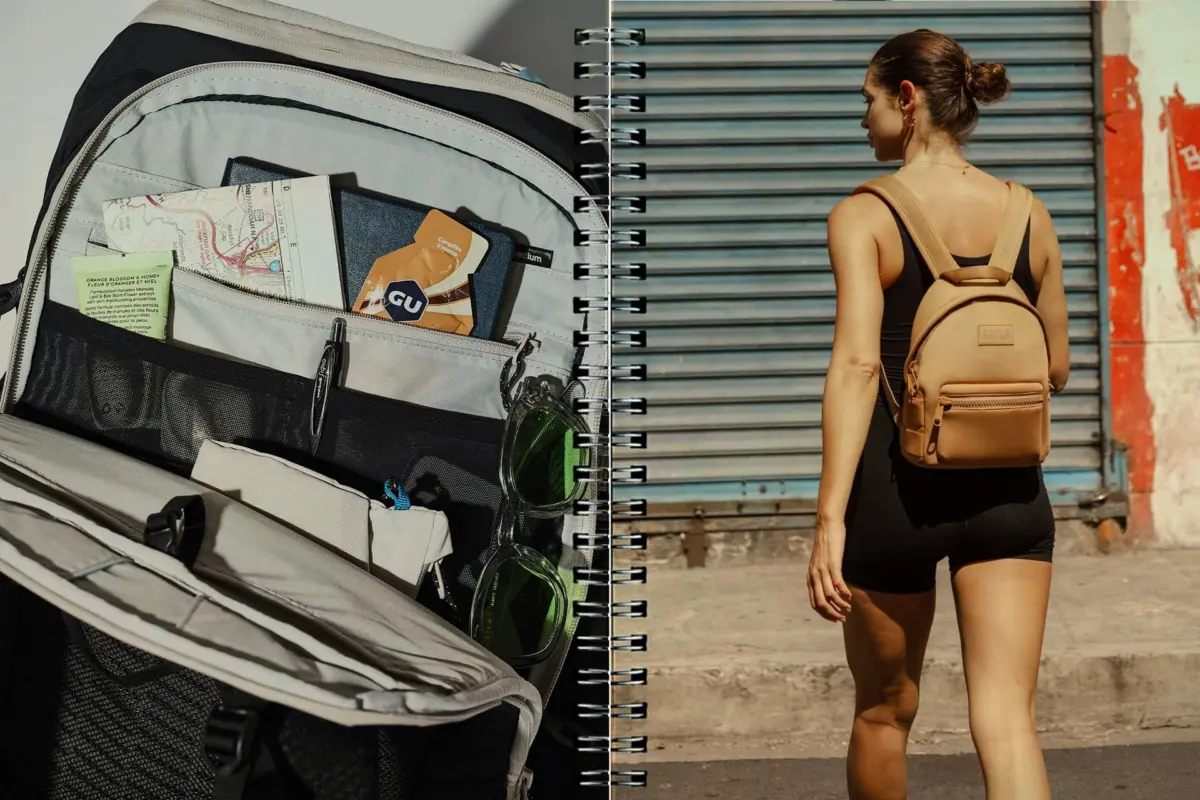
In an era defined by the pursuit of frictionless living, our daily habits have shifted toward the automated and the effortless. From voice-activated smart home assistants to the ubiquity of automatic doors, the modern consumer is constantly seeking ways to streamline movement and minimize physical burden. This obsession with "hands-free" convenience has long been the primary driver behind the design of the standard backpack, a staple of both the urban commuter and the seasoned traveler. However, as travel styles evolve and the demand for agility increases, a new trend is emerging: the rise of the mini backpack. By stripping away the unnecessary bulk of traditional luggage, these compact alternatives are proving that when it comes to travel gear, less is often significantly more.

The allure of the mini backpack lies in its ability to offer the same structural benefits of a standard bag—namely, weight distribution across both shoulders and unobstructed arm movement—without the cumbersome weight that often leads to fatigue during long days of exploration. While the classic full-sized backpack remains a necessity for multi-day trekking or hauling extensive camera equipment, the mini backpack has carved out a specialized, highly functional niche. It is increasingly becoming the preferred companion for travelers who prioritize mobility, whether they are navigating the winding trails of the Dolomites, managing the chaos of a busy theme park, or simply keeping essentials close at hand during a weekend city break.

The practical benefits of downsizing one’s carry-on equipment are perhaps most apparent in high-activity environments. A recent experience on a hiking excursion through the rugged terrain of the Dolomites highlighted the limitations of even well-designed, mid-sized packs. While the Janji Revy Pack served as a capable workhorse during grueling six-hour climbs, the experience underscored a universal truth of travel: every extra pound matters. When the goal is to maintain energy reserves for the challenges of the trail, the sheer weight of a larger pack can become a significant obstacle. Shifting to a smaller profile not only reduces physical strain on the back and shoulders but also forces a more disciplined approach to packing.

This intentional curation of items is arguably the greatest advantage of the mini backpack. When faced with limited space, travelers are naturally forced to differentiate between what they need and what they believe they might need "just in case." By removing the temptation to overpack, these bags encourage a leaner, more efficient travel experience. This is a lesson that translates well beyond the hiking trail. For parents, for instance, the mini backpack has become an invaluable tool for managing the logistics of traveling with children. Serving as an in-flight carry-on for a toddler’s essentials, the bag provides enough space for comfort items, snacks, and activities, without the overwhelming bulk of a full-sized parent bag.

The shift toward smaller silhouettes is also influencing the aesthetic choices of travelers. Today’s market is saturated with options that range from minimalist, monochromatic designs that pair seamlessly with professional attire, to bold, colorful iterations that lean into the adventurous spirit of outdoor gear. The modern mini backpack has effectively transcended its reputation as a purely utilitarian item, evolving into a fashion-forward accessory that does not compromise on performance. It represents a middle ground that many travelers have been seeking: a vessel for one’s daily essentials that feels unobtrusive and lightweight, yet offers enough organization to keep valuables secure and accessible.

As we continue to navigate a travel landscape that values efficiency above all else, the importance of choosing the right equipment cannot be overstated. The mini backpack functions as a physical manifestation of a broader travel philosophy—one that prioritizes the experience itself over the material weight we carry with us. Whether it is keeping hands free for taking photographs, navigating crowded transport hubs, or simply ensuring that one can transition from a morning hike to an afternoon lunch without needing to stop at a hotel, the versatility of these bags is unmatched.

Ultimately, the best travel gear is the kind that you forget you are carrying. By removing the unnecessary, the mini backpack allows travelers to remain present in their surroundings, unencumbered by the heavy, often redundant items that traditionally accompany us on the road. As more travelers recognize the benefits of this streamlined approach, the mini backpack is likely to remain a permanent fixture in the luggage repertoire of those who value the freedom of movement above all else. With a focus on balancing organization with comfort, these bags prove that the most essential travel companion is one that simplifies your journey rather than complicates it, keeping your hands free for the moments that truly matter.