Madrid has long cemented its reputation as one of Europe’s most compelling city-break destinations. For travelers who prioritize a blend of cultural depth, sensory indulgence, and urban vivacity, the Spanish capital offers a unique rhythm that is hard to replicate elsewhere. It is a city defined by its world-class art scene, which pulses through the golden triangle of its premier museums, and its gastronomic landscape, where historic taverns sit comfortably alongside innovative, Michelin-starred establishments. Increasingly, these defining elements of the city are being distilled and reflected within the walls of its best hotels.
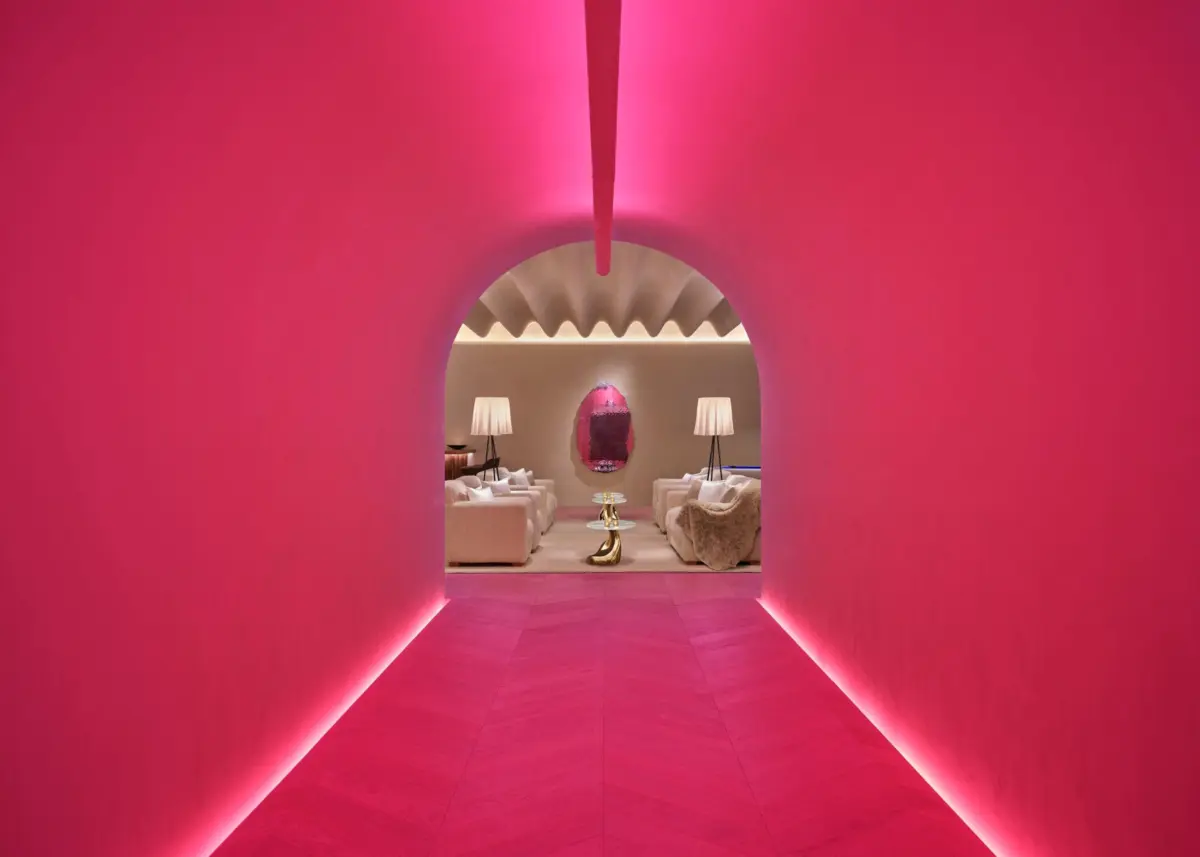
The contemporary hotel scene in Madrid is undergoing a significant transformation, evolving far beyond the traditional concepts of luxury. Today, the city’s hospitality offerings act as a mirror to its eclectic character. Visitors can choose to reside in meticulously restored historic palaces that whisper stories of the Spanish aristocracy, or opt for modern, art-gallery-meets-hotel hybrids that challenge the boundaries of design. For those who prefer a more understated approach, there are "unassuming" addresses that prioritize culinary excellence, often housing some of the city’s most revered restaurants behind modest facades.
This shift in the hospitality sector is not merely limited to the high-end luxury market. The city is witnessing a diversification of its accommodation offerings, spanning from next-generation hostels that cater to design-conscious, budget-minded travelers to sleek, apartment-style setups that offer the flexibility of a home away from home. As the city continues to grow, so too does the sophistication of its lodging, with a recent influx of international brands elevating the standard of service and comfort available to visitors.
Two of the most prominent additions to the capital’s luxury landscape are the Four Seasons and the Mandarin Oriental Ritz. These properties represent the new vanguard of Madrid’s hospitality scene, blending international standards of service with the distinct, spirited soul of the Spanish capital. The presence of such iconic global names signifies a renewed interest in Madrid as a primary hub for high-end travel, drawing discerning guests who seek both global prestige and local authenticity.
For those planning a visit to this vibrant metropolis, selecting the right base is essential to experiencing the city effectively. While the sheer variety of options can be overwhelming, understanding the distinct character of Madrid’s neighborhoods is key to narrowing down the ideal choice.
Navigating Madrid’s Neighborhoods: Where to Stay
Many of Madrid’s most iconic and convenient hotels are clustered around the "Centro" district. This is the heartbeat of the city, an area defined by its dense concentration of historic architecture, bustling plazas, and constant energy. For travelers who wish to be "smack-dab in the thick of it," the areas surrounding the famous Gran Vía—the city’s grand thoroughfare—or the enchanting Literary Quarter of Barrio de las Letras are the most logical starting points. Staying in these central hubs allows for seamless access to the city’s most famous sites, ensuring that the primary landmarks are often within a comfortable walking distance.
However, for those who prefer to step back from the frantic pace of the city center, the elegant neighborhood of Salamanca offers a compelling alternative. Known for its wide, tree-lined boulevards and grand, 19th-century architecture, Salamanca feels like a sophisticated, quiet enclave. It is home to some of the city’s most exclusive shopping, high-end boutiques, and refined dining. For travelers seeking a more peaceful retreat that still maintains a high level of luxury and service, Salamanca provides a range of "smart yet unassuming boltholes." Properties such as the Rosewood Villa Magna and Hotel Único Madrid exemplify this style, offering a serene atmosphere that feels worlds away from the tourist-heavy streets of the city center while remaining firmly within the urban fabric of Madrid.
The Methodology Behind the Selection
The task of curating a definitive list of the best hotels in a city as dynamic as Madrid requires more than just a cursory look at amenities or star ratings. It demands an intimate, on-the-ground understanding of how these spaces contribute to the overall visitor experience. Every hotel featured in this selection has been vetted by Condé Nast Traveler journalists who possess a deep, lived-in knowledge of the destination.
The process of selection is inherently human and rigorous. Editors do not merely rely on public perception; instead, they prioritize properties that offer an authentic, "insider" experience of the city. This means looking beyond the aesthetic polish to consider how a hotel interacts with its surroundings. Factors such as design, location, and the quality of service are balanced against the property’s ability to facilitate a genuine connection to Madrid’s culture.
Furthermore, sustainability credentials have become an increasingly important metric in the selection process. As the travel industry shifts toward more responsible practices, editorial focus has turned toward how these hotels manage their environmental footprint and engage with the local community. By considering properties across a broad range of price points, the aim is to provide a comprehensive view of the hospitality market, ensuring that whether a traveler is seeking grand opulence or minimalist efficiency, the recommended stays remain consistent in their commitment to quality and character.
As the tourism landscape in Madrid continues to expand, the hospitality sector remains one of its most vital components. The city is no longer just a place to visit for its museums and food; it is becoming a destination where the accommodation itself is a significant part of the journey. Whether through the preservation of historic sites or the introduction of cutting-edge, modern design, Madrid’s hotels are working in tandem to tell the story of a city that is both deeply traditional and forward-looking. For the modern traveler, this creates an environment where the choice of where to sleep is just as important as the choice of where to eat or which gallery to visit.
Ultimately, the best hotels in Madrid are those that capture the essence of the "Madrileño" spirit—a blend of warm, unfussy hospitality and a profound appreciation for the finer things in life. As visitors return to the capital, they will find that the city’s hospitality scene is not just growing in number, but in its ability to offer a deeply resonant, personalized experience that lingers long after the trip has concluded. This ongoing evolution ensures that Madrid will remain a cornerstone of European travel, continuously reinventing itself while keeping its historic, artistic, and social identity at the forefront of its appeal.