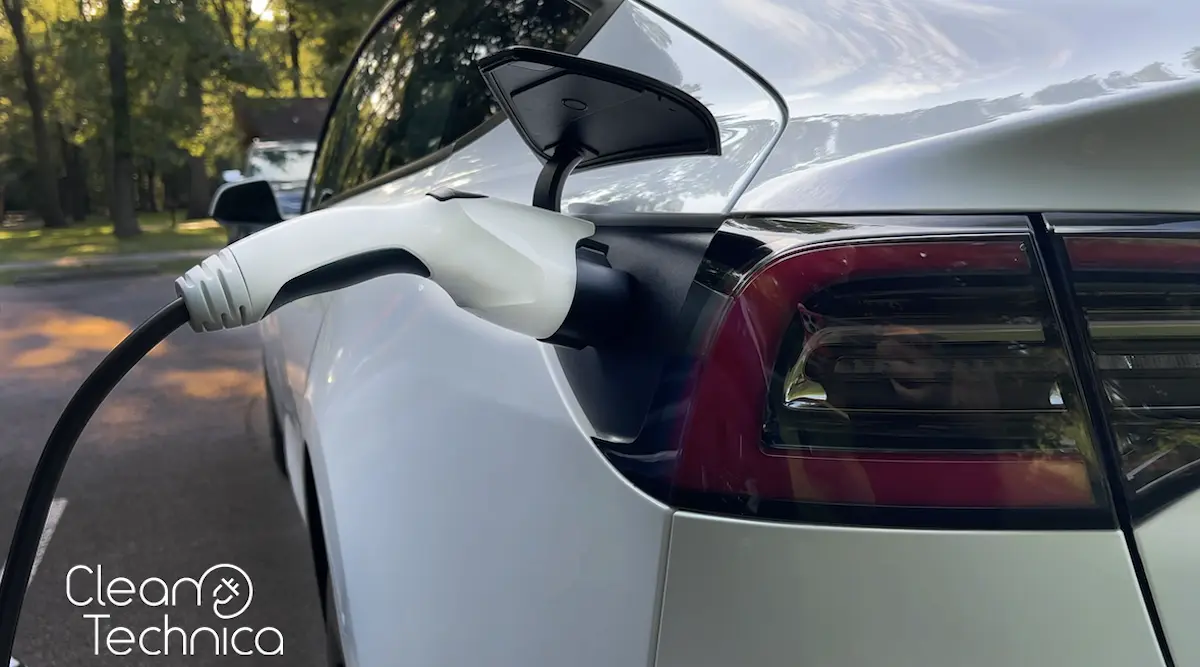
WASHINGTON, D.C. — As the United States continues its monumental transition toward electric mobility, the national electric vehicle charging network is demonstrating tangible, widespread progress across multiple states. However, environmental advocates warn that continued federal momentum hinges entirely on upcoming legislative decisions in the nation’s capital.
Recent developments from coast to coast highlight both the rapid expansion of EV infrastructure and its direct impact on everyday drivers. In Texas, state officials recently awarded a substantial $226 million to establish 321 new charging stations, a project directly funded through the federal National Electric Vehicle Infrastructure (NEVI) program. Meanwhile, Arizona celebrated a major milestone by opening its first three federally funded fast-charging stations, with dozens of additional sites planned to roll out statewide in the near future.
Further north and west, Colorado has awarded more than $23 million in combined federal and state grants designated to fill critical gaps in the state’s fast-charging grid by adding 270 new stations. Island infrastructure is also seeing a dramatic surge; commercial EV charging sites in Hawaii more than doubled during the first half of 2026, with a significant portion of these new installations anchored by NEVI funding initiatives.
This nationwide wave of infrastructure deployment follows a tumultuous legal battle. Following an unlawful freeze of the NEVI program during the Trump administration, a coalition of states, environmental organizations, and partner groups—led in part by successful litigation from the Sierra Club—secured a pivotal judicial victory. That court ruling protected billions of dollars dedicated to reliable electric vehicle charging, cleaner air, and lower driving costs, allowing the frozen funds to finally reach state treasuries and project developers.
These recent milestones are emblematic of broader progress occurring across the country. They also vividly underscore the critical importance of maintaining robust federal support for the NEVI program as lawmakers in Congress prepare to negotiate the next major transportation funding package.

Addressing the urgency of the upcoming legislative negotiations, Sierra Club Clean Transportation for All Director Katherine García released a formal statement emphasizing the vital link between federal funding and consumer adoption.
"Building out and expanding the EV charging network is essential for giving drivers the confidence to switch to EVs powered by cheap electricity," García stated. "Thanks to NEVI, drivers across the country are able to charge their cars and avoid record-high gas prices. As lawmakers begin negotiating the next extension of the Infrastructure Investment and Jobs Act, Congress must reauthorize and fund the NEVI program to ensure states can continue to expand a convenient charging network."
The debate over the future of the NEVI program arrives at a pivotal juncture for the American automotive market and the broader energy sector. As automakers continue to roll out diverse lineups of electric sedans, crossovers, and heavy-duty trucks, the psychological barrier of "range anxiety" remains a primary hurdle for prospective buyers. Industry analysts note that robust, reliable, and accessible public fast-charging corridors are indispensable for convincing consumers who rely on road trips or lack home-charging capabilities to make the transition to electric vehicles.

By anchoring the buildout of high-speed charging stations along major interstate highways and community corridors, programs like NEVI have laid the groundwork for a standardized, dependable national charging experience. The Sierra Club and its allies maintain that allowing such a successful program to lapse or face funding reductions during a critical growth phase would stall momentum just as consumer demand for cleaner, more affordable transportation options reaches unprecedented levels.
As Capitol Hill lawmakers gird for intense negotiations over the upcoming transportation funding legislation, the fate of the nation’s EV charging infrastructure hangs in the balance. State departments of transportation, municipal planners, and electric vehicle advocates alike will be watching closely to see whether Congress chooses to secure the future of the NEVI program and cement the country’s transition toward a cleaner, electrified transportation grid.