The landscape at Old Trafford appears increasingly precarious as Manchester United’s hierarchy begins to quietly assemble a contingency plan should the club decide to part ways with current manager Michael Carrick. Amidst a period of mounting pressure and fluctuating performances, the Red Devils are reportedly casting a wide net to identify potential successors, with several high-profile names emerging as candidates to stabilize the club’s trajectory. Simultaneously, across the Premier League, Arsenal are already preparing for the upcoming January transfer window, identifying strategic targets to bolster their squad as they continue to compete at the summit of domestic and European football.
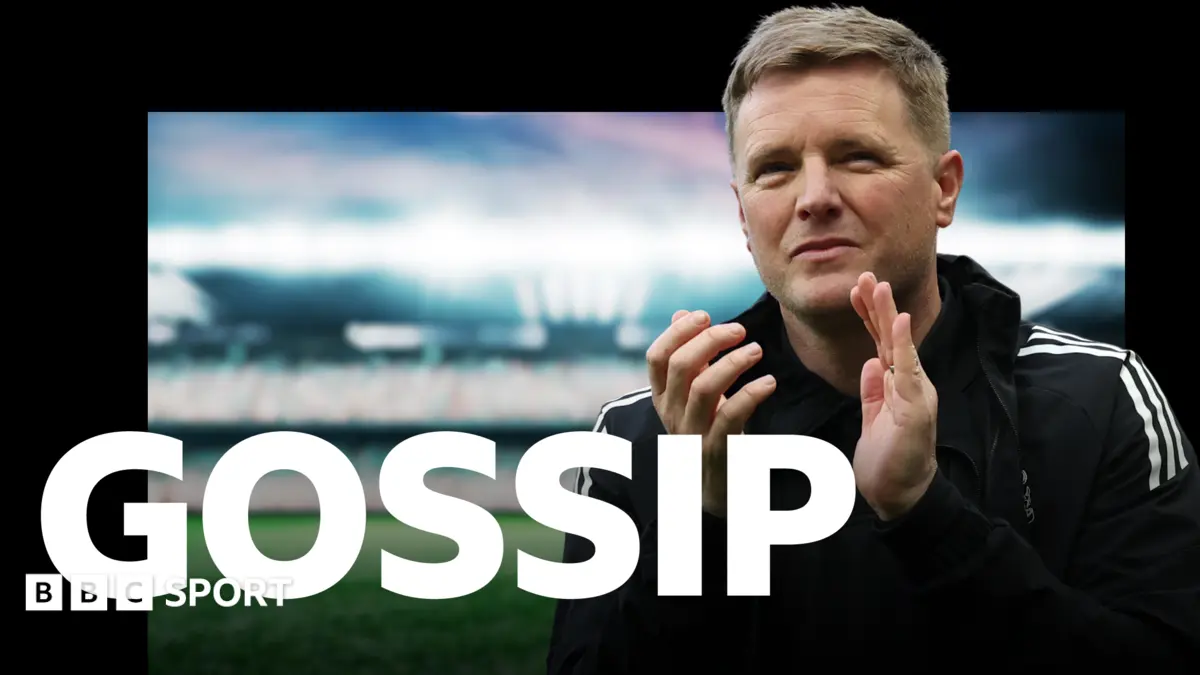
At Manchester United, the decision-making process is reportedly being spearheaded by technical director Jason Wilcox, who is said to harbor a distinct preference for former Newcastle United manager Eddie Howe. Howe, who successfully elevated Newcastle back into the upper echelons of the English game, is viewed by some within the United boardroom as a candidate who understands the rigors of the Premier League and possesses the tactical acumen to oversee a long-term project at a major club. However, the interest in the former Bournemouth boss is far from solitary, as the club continues to monitor the availability and interest levels of several other prominent tacticians across Europe.
Among those being discussed is Julian Nagelsmann, the former Bayern Munich head coach and current manager of the German national team. Reports suggest that United would be willing to consider the young, innovative coach should a vacancy arise, and there is an indication that the German tactician himself would be receptive to an approach from the English giants. Nagelsmann’s reputation for high-intensity, fluid attacking football aligns with the historical identity of Manchester United, making him an intriguing prospect for a club looking to modernize its on-field approach.
Furthermore, the club’s search has reportedly extended to Aston Villa’s Unai Emery. The Spaniard has been identified as a "dream candidate" for the United hierarchy, owing to his remarkable success in transforming Aston Villa into a consistent Champions League-caliber side. Emery’s track record of winning silverware in Europe and his meticulous attention to detail have earned him significant respect within the industry, positioning him as a primary target should the club seek an experienced hand to navigate a transition period.
In a move that has captured significant attention, Manchester United are also said to have opened exploratory talks with Antonio Conte. The former Chelsea and Tottenham Hotspur manager remains a polarizing but undeniable force in world football, known for his relentless demand for intensity and his proven ability to deliver immediate domestic success. A return to the Premier League for the Italian would represent a high-stakes gamble for United, yet his history of winning league titles with Chelsea suggests that the club’s leadership is at least exploring the possibility of bringing a proven "serial winner" back to English shores.
While the search for a new manager is clearly underway, the complexities of such an appointment are highlighted by the case of Brighton and Hove Albion’s Fabian Hurzeler. Reports indicate that United would likely have to pay a world-record compensation fee to extract the young German manager from the Amex Stadium. The logistics of such a deal, combined with the significant financial investment required to terminate his current contract, create a substantial hurdle. Moreover, recent indications suggest that Hurzeler himself may not be interested in the vacancy at Old Trafford, potentially removing him from the list of viable candidates despite the high regard in which he is held by observers.
The uncertainty surrounding the managerial position at Manchester United has created a sense of anticipation among the club’s support base, as the hierarchy balances the desire for stability with the evident need for a change in direction. The next few weeks are likely to be decisive, as results on the pitch will dictate whether the club persists with Carrick or pulls the trigger on a change that would reshape the future of the organization.
While Manchester United deal with the fallout of their current campaign, Arsenal are taking a more proactive approach to the January transfer window. The Gunners, looking to reinforce their attacking options, have reportedly turned their attention toward Alex Baena. The 25-year-old Atletico Madrid winger, who tasted World Cup glory with Spain, has emerged as a key target for Mikel Arteta. Baena’s versatility, technical proficiency, and experience at the highest level of international and club football make him an attractive proposition for an Arsenal side looking to add depth and quality to their forward line as the season enters its busiest period.
In addition to the pursuit of Baena, Arsenal are also monitoring the progress of Monza striker Gustavo Varela. The 21-year-old Portuguese forward has been turning heads in Serie A, displaying a clinical edge that has drawn scouts from across Europe. Arsenal’s interest, however, is not exclusive, as the young striker has also reportedly caught the attention of Napoli and Benfica. The race for Varela’s signature highlights the competitive nature of the market, as clubs scramble to secure young, high-potential talent before their valuations inflate further.
Elsewhere in Europe, movement in the transfer market is not limited to coaching staff and forwards. The future of Brazilian defender Gleison Bremer is also the subject of intense speculation. The 29-year-old Juventus stalwart is reportedly being targeted by Bayer Leverkusen, with suggestions that the player could be set for a departure from Serie A in the January window. Bremer’s experience and defensive composure would provide a significant boost to the German champions, who are looking to solidify their backline to maintain their competitiveness on both domestic and continental fronts.
As the winter transfer window approaches, the landscape of European football remains in a state of flux. For Manchester United, the immediate priority remains finding a path forward that aligns with the club’s lofty ambitions, whether that involves backing their current manager or pivoting toward a high-profile replacement. For Arsenal, the focus remains on incremental improvement, ensuring that the squad has the necessary firepower to sustain their challenge for major honors. With major decisions looming at Old Trafford and strategic recruitment plans being finalized at the Emirates, the coming months promise to be pivotal in defining the trajectory of several of the continent’s most prominent clubs. The ripple effects of these potential moves—from the managerial dugout to the defensive line—serve as a reminder of the constant, cyclical nature of professional football, where success is often determined by the boldness of the decisions made behind the scenes during the quiet moments between matchdays.