Classic literature can, at times, feel intimidating for contemporary readers to approach. The vocabulary, pacing, and grammatical structures utilized in historical novels differ significantly from modern publishing standards, occasionally creating barriers to full comprehension. However, for those willing to give these historical works a chance, the rewards often reveal why these texts have retained their cultural status across centuries. Despite being written hundreds of years ago, classic literature continues to resonate with modern audiences, effectively bridging the vast temporal gap between authors long gone and readers discovering their work for the first time.
For readers seeking to deepen their literary knowledge and explore foundational texts, pre-20th-century literature offers a rich landscape. Spanning various genres, these books remain remarkably readable, holding the attention of audiences even in an era accustomed to rapid information consumption. Because classic literature covers a diverse array of themes and narrative styles, contemporary readers can easily find works that align with their personal interests and reading preferences.
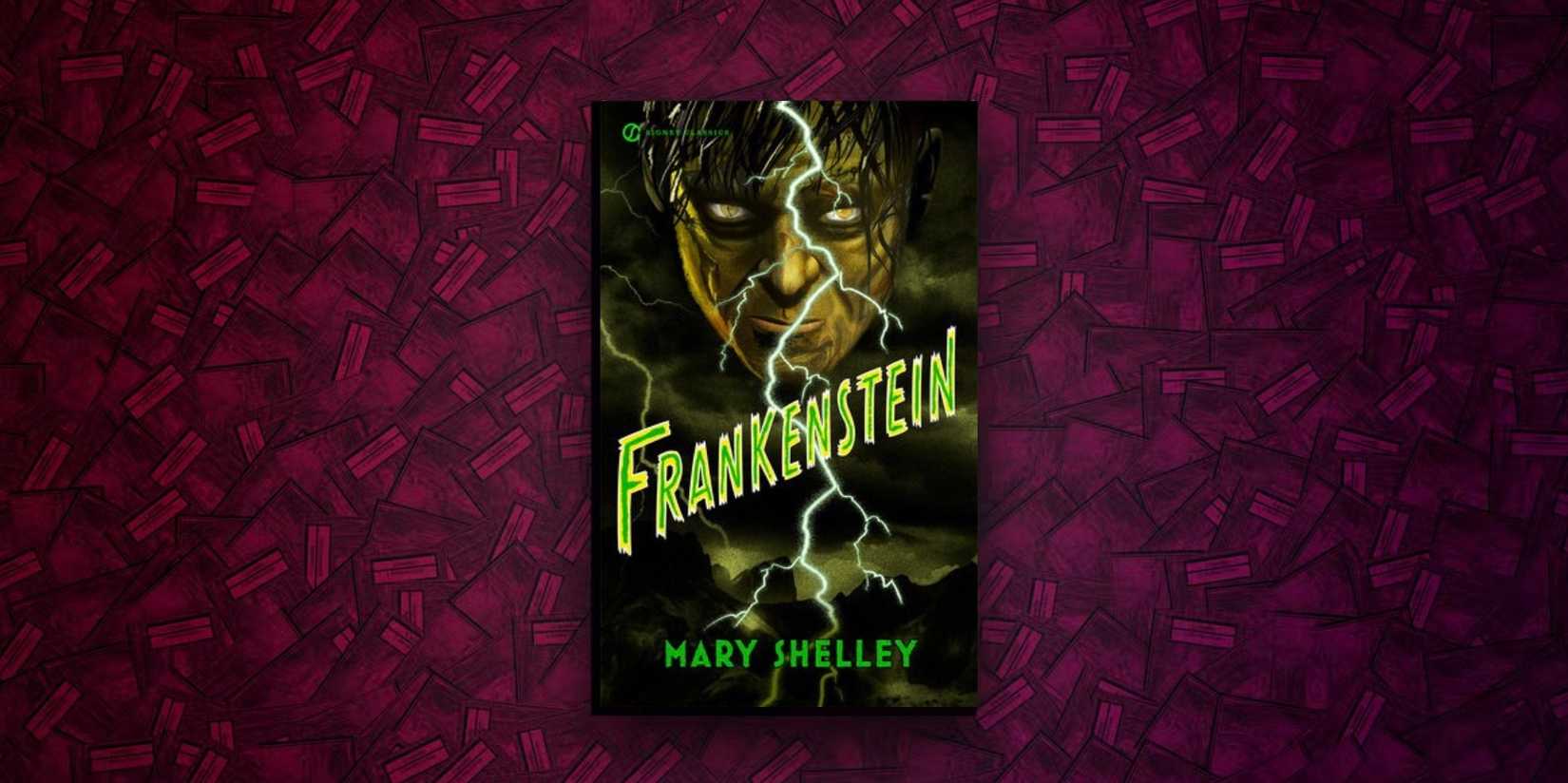
Among the most influential and enduring texts is Mary Shelley’s Frankenstein, widely credited as a foundational text of science fiction. Written when Shelley was just 18 years old and first published in 1818, the novel was later published in its entirety in 1831 and 1832, immediately shocking readers from all walks of life. Beyond its reputation as a monster story, the narrative operates profoundly as a human exploration of isolation, the struggle to navigate a hostile world, and the complex resentment an unwanted creation might hold toward its maker. The enduring popularity of Frankenstein and his creature speaks to the novel’s psychological depth, keeping readers captivated despite its antiquated language.
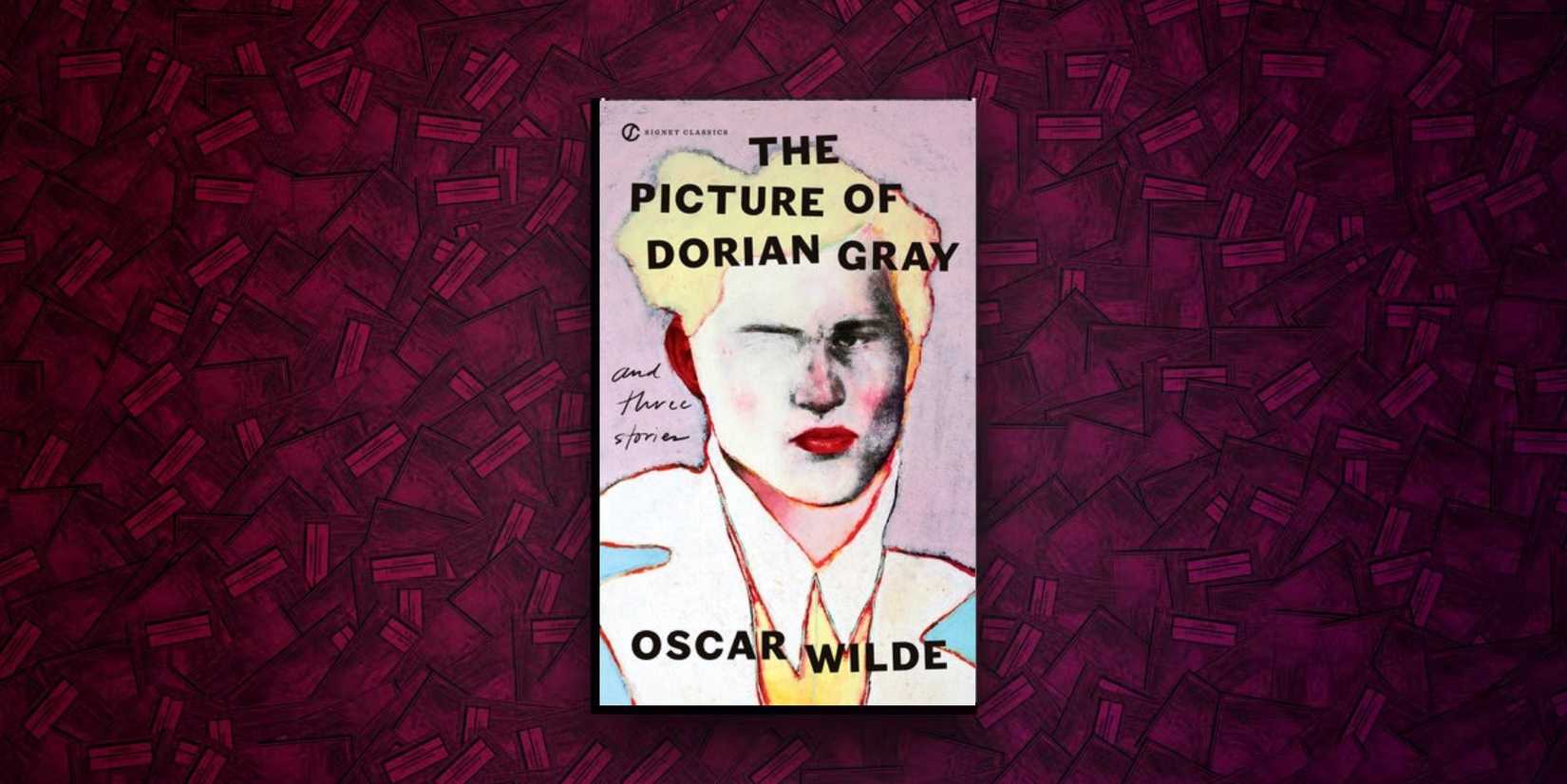
Another landmark of 19th-century literature is Oscar Wilde’s The Picture of Dorian Gray, which received its full publication in 1891. The narrative follows a conceited young man whose portrait ages in his place while he retains his youthful beauty. More than a century after its release, the novella continues to attract readers with its exploration of vanity, aesthetics, and the psychological price of obsession with physical appearance—themes that remain remarkably relevant in the modern era. Because of its concise length, the novella can easily be completed in a single sitting, making it an accessible entry point into Wilde’s sharp social commentary.
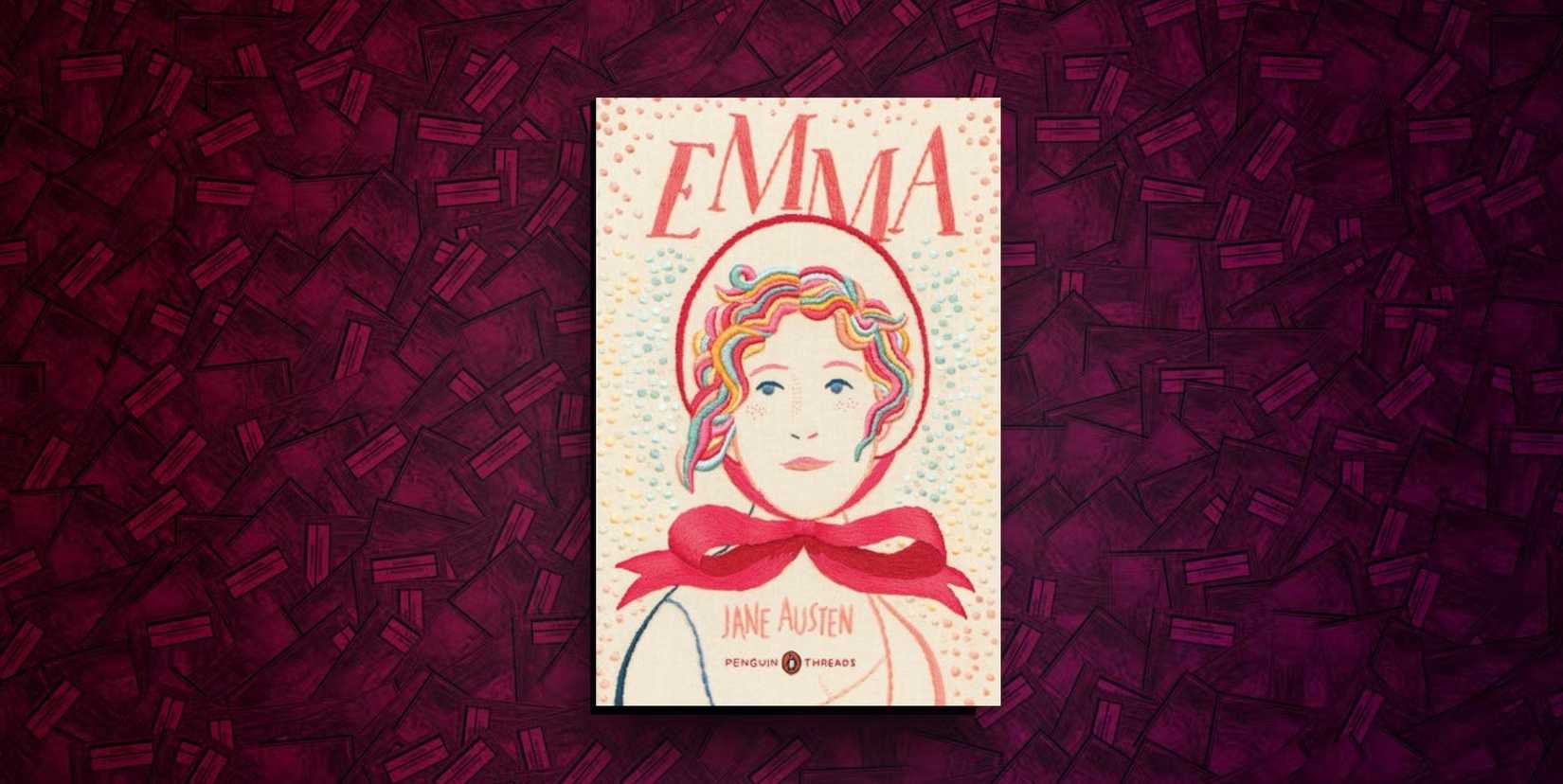
Moving from psychological drama to social satire, Jane Austen’s Emma offers a charming and character-driven narrative. The story centers on a well-intentioned young woman who attempts to orchestrate the romantic lives of her friends and family, resulting in a series of comically disastrous miscalculations. As a precursor to famous modern adaptations, including the 1995 teen comedy Clueless, Emma demonstrates Austen’s effortless wit and observational skill. The novel provides an inviting introduction for readers who may not consider themselves Jane Austen superfans, yet wish to explore classic prose.
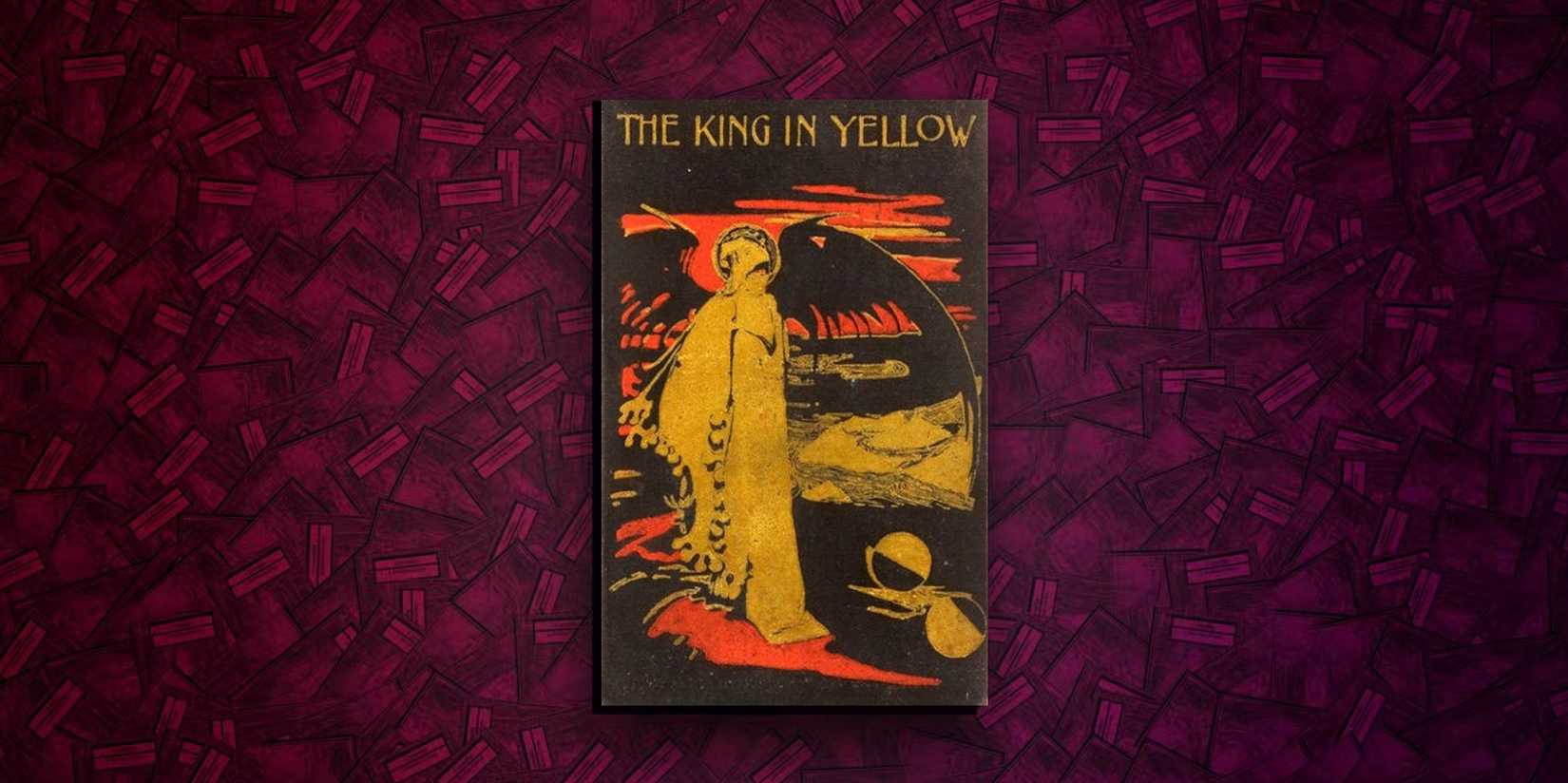
The realm of speculative and horror fiction also holds crucial pre-19th-century contributions, such as Robert Chambers’ The King in Yellow. Blurring the line between novella and short story collection, the book revolves around a cursed play script that drives anyone who reads it to insanity. Chambers crafts a chilling atmosphere that continues to unsettle readers, proving that the psychological terror of the text transcends its 19th-century origins.
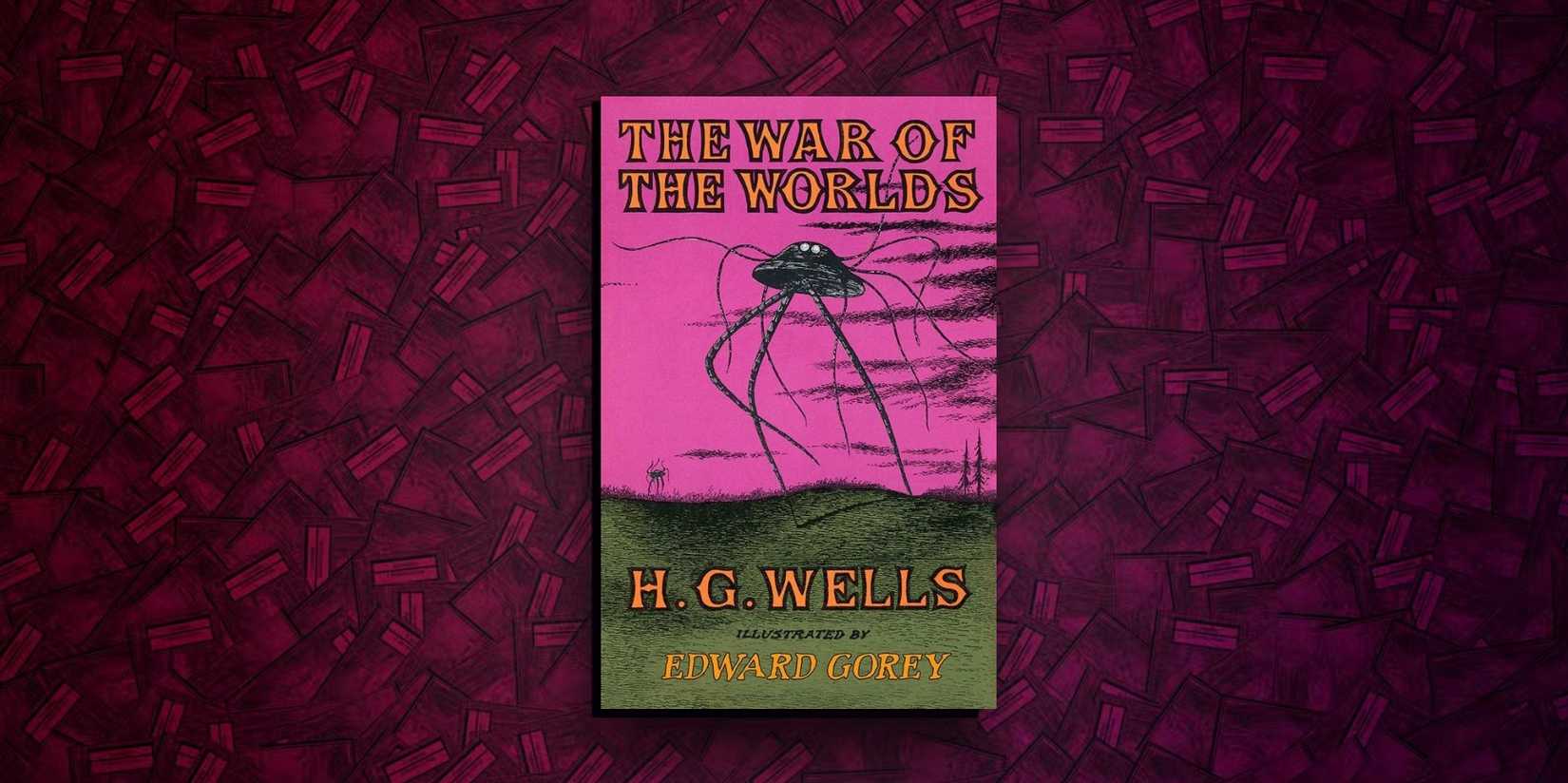
Similarly, H.G. Wells’ The War of the Worlds established a benchmark for science fiction through its gripping depiction of a Martian invasion. The novel inspired numerous adaptations throughout the decades, most famously Orson Welles’ 1938 radio broadcast, which temporarily convinced many listeners of an actual extraterrestrial landing. As a fast-paced narrative filled with suspense, Wells’ work remains an essential starting point for science fiction enthusiasts.
Dramatic literature from earlier eras has likewise maintained its cultural dominance. William Shakespeare’s Hamlet is widely regarded as one of the greatest plays ever written, featuring a complex mix of ghosts, political intrigue, and philosophical introspection. While Elizabethan English can present initial challenges, the high-stakes narrative of revenge and royal betrayal provides a compelling theatrical experience that has cemented its status as a cornerstone of dramatic arts.
Johann Wolfgang von Goethe’s Faust similarly revitalized the enduring theme of the pact with the devil. Building upon earlier treatments by playwrights like Christopher Marlowe, Goethe’s version combines philosophical inquiry with sharp satire, influencing generations of subsequent artistic works. Because it is structured as a play, readers can move briskly through the text without getting bogged down by dense prose.
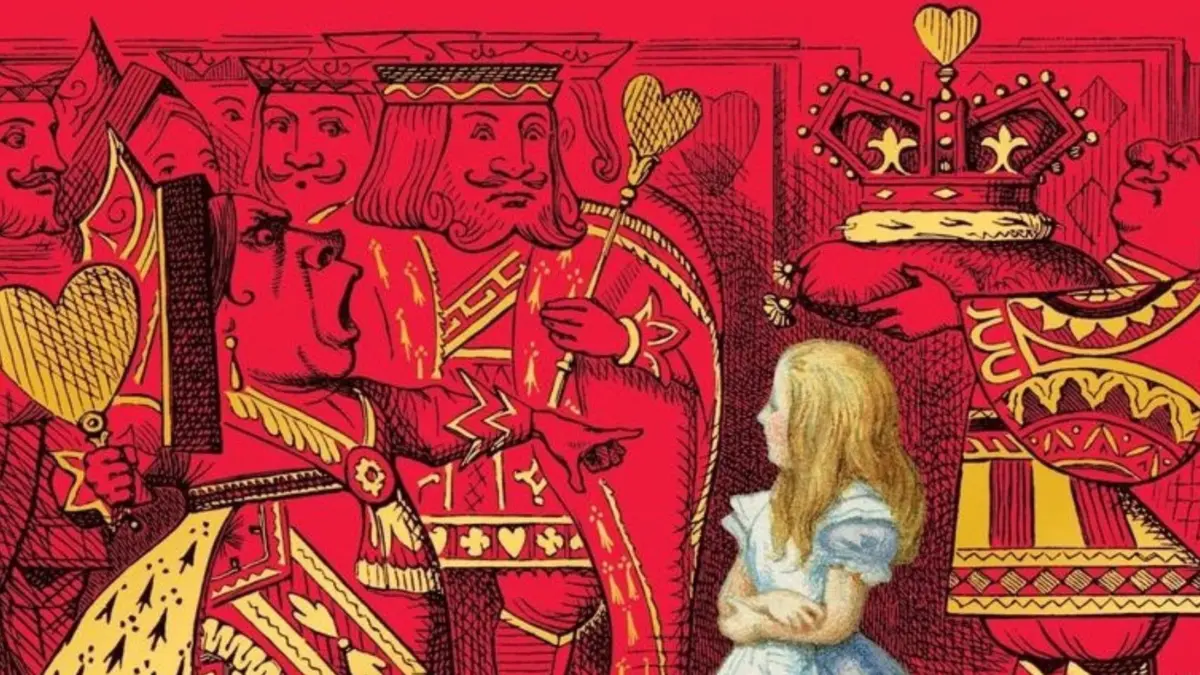
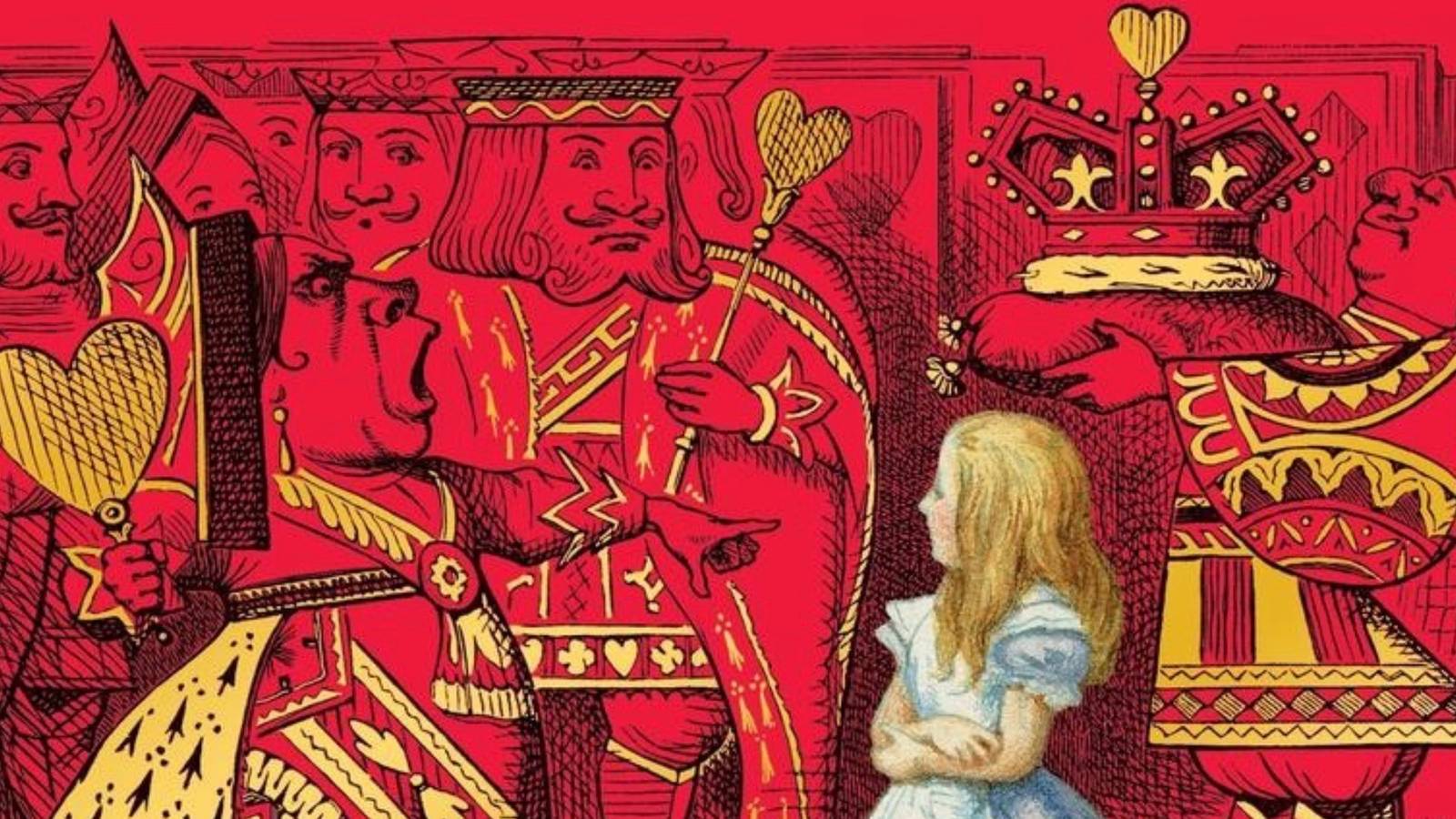
For those seeking lighter or more whimsical narratives, Lewis Carroll’s Alice’s Adventures in Wonderland offers a surreal journey through a nonsensical landscape. While many modern audiences are familiar with cinematic adaptations, the original novel contains a distinct literary eccentricity and imaginative depth that appeals strongly to readers intimidated by traditional heavy classics.
Dramatic texts addressing social reform also highlight the period’s literary importance. Henrik Ibsen’s 1879 play A Doll’s House sparked intense international controversy upon its release due to its unflinching depiction of a woman leaving her domestic confines in search of independence. The play’s focus on individual autonomy and societal expectations demonstrated the power of theatrical dialogue to provoke public debate.
Finally, Charlotte Perkins Gilman’s short story The Yellow Wallpaper stands as a vital proto-feminist text exploring psychological oppression and the systemic dismissal of women’s health concerns. Chronicling a protagonist descending into obsession with the patterned wallpaper of her rented room while her husband dismisses her symptoms, the story remains a powerful critique of patriarchal medical practices. Together, these enduring works demonstrate the lasting relevance and accessibility of classic literature for contemporary readers willing to explore the foundations of modern storytelling.