Living in Sydney, it is easy to fall into the trap of viewing New Zealand as a convenient, perennial neighbor—a destination that will always be there, just a short flight away, ready to be booked for the next spontaneous ski trip. For many, Queenstown serves as the primary hook, a gateway to alpine adrenaline. However, the true allure of Aotearoa often reveals itself only when one ventures beyond the well-trodden paths of the Southern Alps. What has become increasingly clear to those who travel the country’s length is how effortlessly New Zealand harmonizes its dramatic, raw wilderness with a sophisticated, long-standing tradition of luxury hospitality that remains compelling in every season.
While the sheer scale of the landscape is easy to admire from the fleeting perspective of a car window, the most enduring memories are forged in the places where one chooses to stop, settle, and linger. There is a distinct, quiet magic in the lodges that dot the landscape—each a curated reflection of its environment and history. From the storied, century-old legacy of Huka Lodge to the authentic, working-farm intimacy of Cabot Lodge, these accommodations offer more than just a place to sleep; they provide a connection to the land.
Planning the First-Time Itinerary
For the uninitiated, the geography of New Zealand can feel daunting, but the key is curation rather than coverage. If the mountains are the primary draw, Queenstown is the natural starting point. However, the savvy traveler will ensure there is ample time allotted for the historic charm of nearby Arrowtown and several days dedicated to the deep, silent grandeur of Fiordland National Park. On the North Island, Auckland serves as a logical arrival hub, but the real soul of the region lies further south. A journey toward Rotorua offers an immersive look at the country’s geothermal vitality and rich Māori culture, which naturally transitions into the tranquil, emerald waters of Lake Taupō.

For those who view travel through the lens of gastronomy, Wellington is an essential stop. It is a city that has evolved into a vibrant cultural capital, and it is arguably overdue for a second look by many. The most vital piece of advice for a first-time visitor is to resist the urge to see everything. By selecting a few key regions and committing to spending at least several days in each, the experience shifts from a frantic road trip to an intentional exploration.
Navigating the Budget and Logistics
The question of affordability is a common one, and the reality is that New Zealand can be as expensive or as accessible as one chooses. It is a misconception that a trip must be defined by high-end lodges and helicopter transfers. While these options are available, they are certainly not the only way to experience the country. A common strategy for a balanced budget is to invest in one or two "bucket-list" stays—places you genuinely desire to experience—and then intersperse these with more modest, self-contained accommodations. Opting for a stay with a kitchen facility allows for a more relaxed pace and the opportunity to engage with local produce, which is a significant part of the New Zealand culinary experience.
When planning activities, it is worth remembering that ski passes and guided excursions can quickly impact a budget. It is best to prioritize the activities that matter most before committing to other bookings. For those considering the iconic camper van experience, it is wise to do a thorough cost comparison. When one factors in the total hire cost, fuel, and the fees associated with established campsites, it is often worth comparing that total against the cost of a rental car paired with fixed accommodation. Regardless of the transit choice, it is always prudent to reserve a portion of the budget for the simple, recurring pleasures of dining out and exploring the country’s world-class wine regions.

The Art of the Seven-Day Trip
Seven days is a sufficient amount of time for a meaningful trip, provided the scope is kept realistic. The most common mistake is attempting to traverse both islands in a single week, which often results in more time spent on the road than in the landscape. For a week-long South Island excursion, focusing solely on the Queenstown and Arrowtown corridor, with perhaps an added leg to Te Anau for those prioritizing Milford Sound, is a much more rewarding approach. Alternatively, a drive from Christchurch through the expansive Mackenzie region to Lake Tekapo offers a profound connection to the Southern Alps. On the North Island, the pairing of Rotorua and Taupō provides a rich, balanced itinerary.
Regardless of the duration, there is a clear preference for staying in one place for longer rather than constantly repacking. Flexibility is perhaps the most valuable asset in any itinerary. If a trip is centered around stargazing and the weather turns, having an extra night available can be the difference between a missed opportunity and an unforgettable view.
The Enduring Charm of Arrowtown
While Queenstown is the undeniable hub for skiing, Arrowtown stands apart as a destination that deserves to be prioritized, even if it means sacrificing a morning on the slopes. The town is a time capsule of gold-mining history, with its quaint, original cottages and rustic shopfronts still standing as a testament to its past. A walk through the partially restored Chinese miners’ settlement along the banks of the Bush Creek is an essential experience before settling in for a meal.

The culinary scene in Arrowtown has become a destination in its own right. At Aosta, the cooking is a thoughtful interpretation of northern Italian cuisine, elevated by the high-quality produce of Central Otago. Nearby, the sprawling 150-acre Ayrburn estate offers a different experience, with various restaurants housed in beautifully restored farm buildings. The inclusion of Billy’s, located within the original homestead, which serves modern Chinese cuisine, makes the area a recurring draw. For those seeking accommodation, the boutique Arrowtown House provides an intimate, central base, while the nearby Millbrook Resort offers a more expansive, resort-style environment, complete with spa facilities that are particularly welcome after a day of physical activity.
The Waters and History of Taupō
The Waikato River, with its striking, intense emerald hue, remains one of the most vivid memories for any visitor to Huka Lodge. The lodge itself serves as a fascinating entry point into New Zealand’s hospitality history, having evolved from a humble fishermen’s camp established in 1924. There is a profound appeal in visiting a site that has been dedicated to the comfort of guests for over a century.
One does not need to be a guest at the lodge to appreciate the beauty of the river. The riverside trails that lead toward the thunderous Huka Falls offer an accessible way to experience the power of the water. Beyond the river, Lake Taupō is best experienced from the water; a boat or kayak trip to the Ngātoroirangi Mine Bay Māori rock carvings—a masterful work of contemporary indigenous art—is a highlight. For accommodation, while Huka Lodge offers a sense of stateliness and heritage, the Poronui Safari Camp, situated in the wider Taupō region, offers a more rugged, exclusive experience. With its canvas tents set against the banks of the Mohaka River, it provides a rare, private connection to the wilderness.

Stargazing in Lake Tekapo
The Aoraki Mackenzie International Dark Sky Reserve is perhaps the best place in the country to contemplate the scale of the universe. The Dark Sky Project in Lake Tekapo is an invaluable resource, offering an indoor experience that bridges the gap between Māori astronomy and modern science. It is a welcoming, educational space that houses a restored 19th-century telescope. For the true experience, however, booking a Summit Experience at the Mount John Observatory is essential. As with all outdoor activities, scheduling this for early in a trip provides a buffer in case of cloud cover.
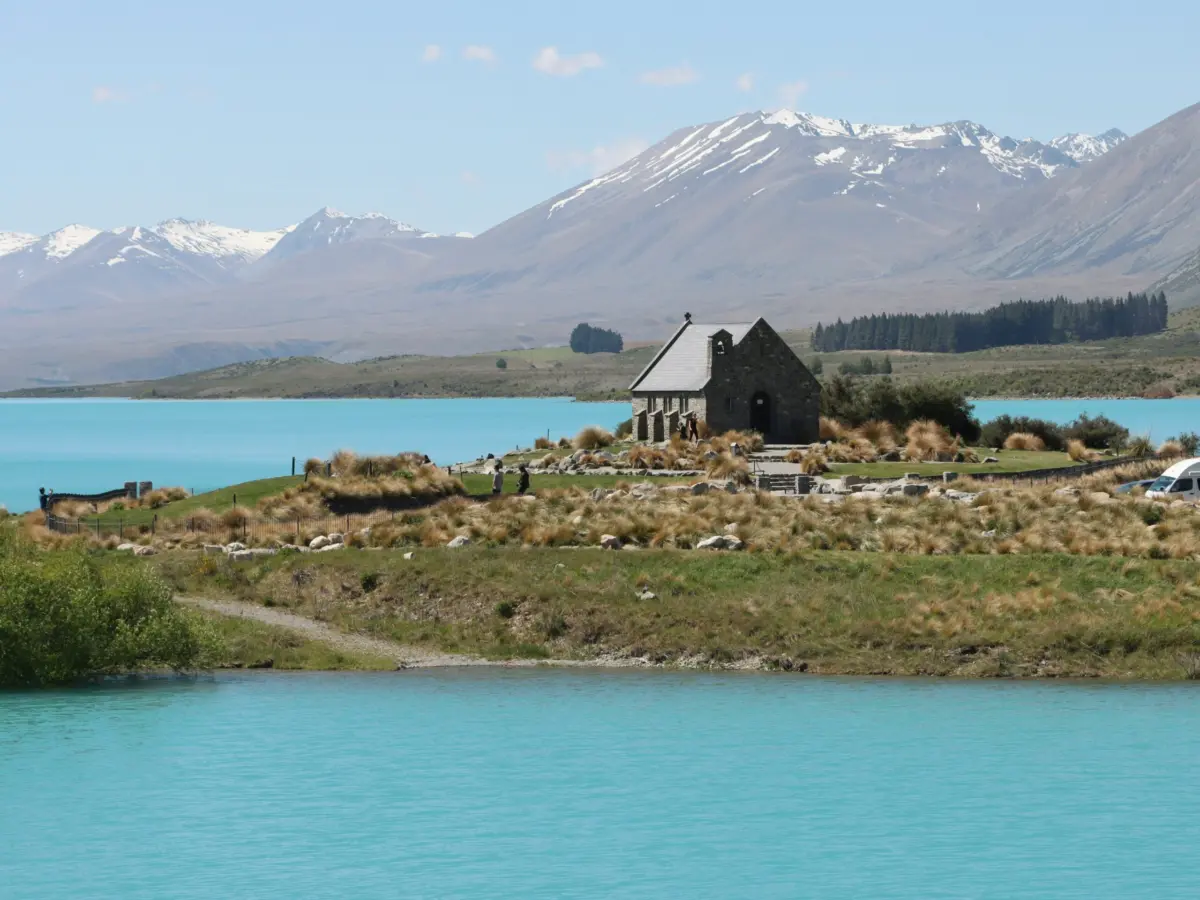
During the day, the milky, turquoise waters of Lake Tekapo—colored by glacial rock flour—provide a stunning backdrop. It is an ideal stopover for those traveling from Christchurch, with plenty of scope for day trips into the Aoraki/Mount Cook National Park. For a place to stay, the Alpine Lodges at The Cairns Alpine Resort offer a nod to the region’s history with designs inspired by traditional musterers’ huts. The inclusion of wood-burning fireplaces and private kitchens creates a perfect, cozy environment to retreat to after a night under the stars.
The Cultural and Culinary Pulse of Wellington
Wellington represents a different side of New Zealand—a place defined by galleries, harbor views, and a sophisticated dining culture. Following the recent reopening of the City Gallery, the city has firmly re-established itself as a mandatory stop for the culturally inclined. It is a city that invites wandering, with enough time between appointments to notice the subtle shifts in the urban fabric.

The culinary scene is equally dynamic. Wine bars like Puffin offer a look at the country’s natural wine movement, while small, chef-driven establishments like Rita, located in a charming Aro Valley cottage, provide a highly personal dining experience through their rotating set menus. The planned expansion of the team behind Rita into the daytime deli space, Super Rita, highlights the city’s ongoing commitment to high-quality, local food. For those staying in the capital, The Intrepid Hotel in the Te Aro district offers an ideal location. Situated near Cuba Street and sharing a building with Puffin, it provides the convenience of a modern, stylish hotel with the added benefit of having a neighborhood favorite just a few steps away.
The Wilderness of Fiordland
Fiordland remains a destination that deserves a dedicated trip, rather than a rushed excursion from Queenstown. By basing oneself in Te Anau, the logistics of reaching the fjords become significantly more manageable. The area offers unique experiences, such as the glowworm caves across Lake Te Anau and the boat-and-coach route to Doubtful Sound, which begins in the quiet, scenic town of Manapouri.
On the journey toward Te Anau, a stop at The Key reveals the Davaar knitwear shop, a perfect example of the kind of discovery that makes travel meaningful. Utilizing wool grown on the family’s own working sheep station, the brand has developed a cult following for its quality and story. It is the sort of local, authentic souvenir that serves as a tangible connection to the region. Regarding accommodation, the Cabot Lodge remains a compelling choice due to its location on a working farm overlooking Lake Manapouri, positioning guests perfectly for excursions into the heart of Fiordland. For those who wish to be closer to the center of the action, the Milford Sound Lodge offers chalets that look directly out onto the river and surrounding rainforest. Choosing between the two comes down to deciding which of the sounds one wishes to prioritize, but in either case, the stay serves as a quiet observation point for one of the most spectacular landscapes on Earth.