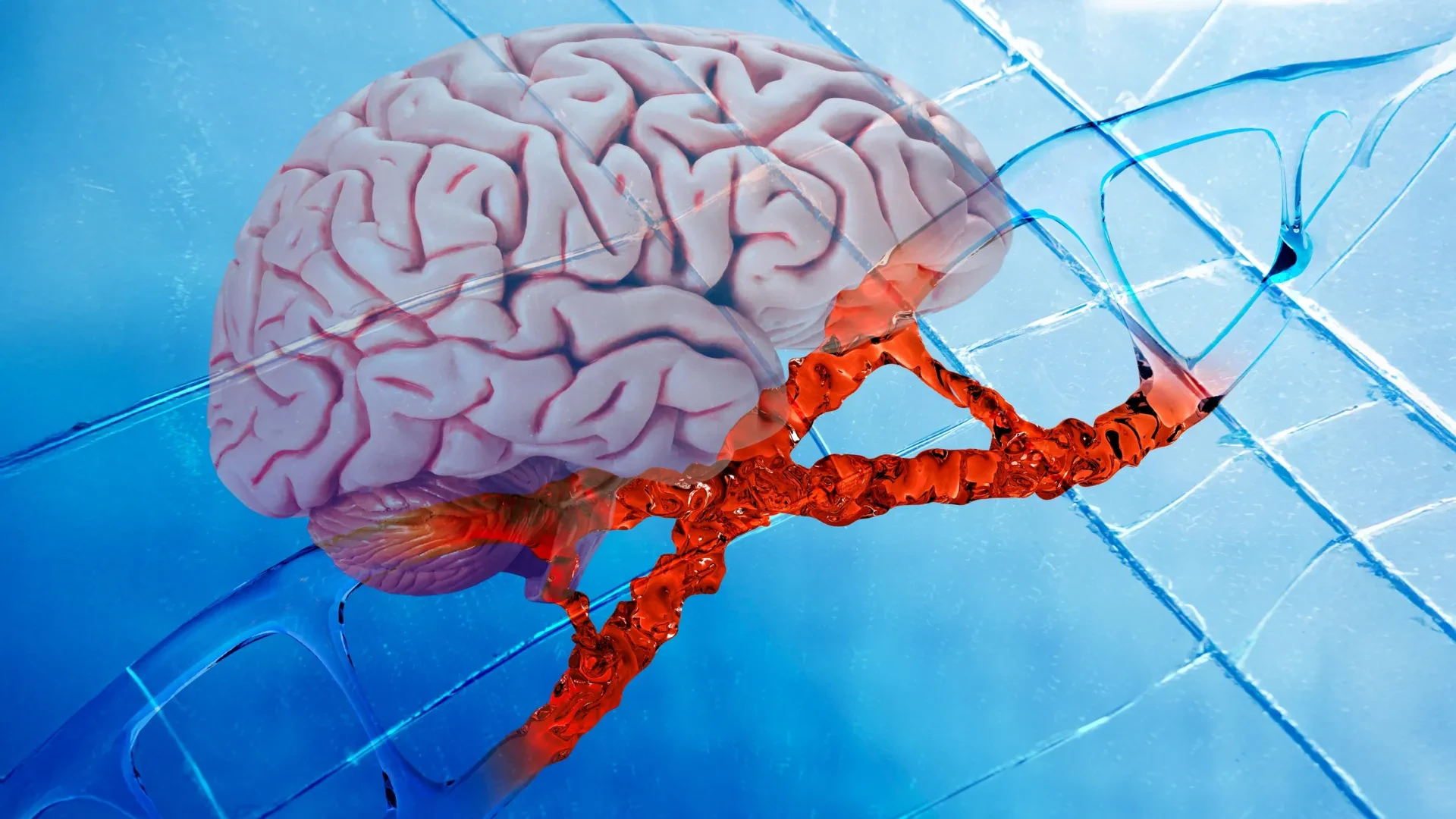
Scientists at King’s College London have identified a promising and potentially transformative strategy for addressing the multifaceted pathology of Alzheimer’s disease. In a recent research breakthrough, the team discovered that an experimental small-molecule drug, originally developed to treat spinal cord injuries, may possess the capability to simultaneously repair damaged DNA, dampen neuroinflammation, and counteract the complex biological shifts that precede the advanced stages of Alzheimer’s.
The drug, designated as KCL-286, has demonstrated encouraging results in preclinical mouse models, offering a departure from traditional treatment paradigms. While current Alzheimer’s therapies have largely focused on the clearance of toxic protein aggregates—specifically amyloid-beta plaques and tau tangles—this new approach targets systemic cellular malfunctions that occur much earlier in the disease trajectory. By addressing these foundational issues, researchers hope to move beyond symptom management toward true disease modification.
One of the most significant advantages of KCL-286 is its established clinical history. Because the drug has already successfully cleared Phase 1 human safety and tolerability trials during its earlier development for other neurological applications, the path toward potential clinical trials for Alzheimer’s patients could be substantially accelerated. While the drug’s specific efficacy against Alzheimer’s in humans remains to be validated, the existing safety data provides a robust foundation for future study, potentially cutting years off the traditional drug development timeline.
"KCL-286 is a first-in-class, orally bioavailable small molecule that has already successfully cleared Phase 1 human safety and tolerability trials," said Professor Jonathan Corcoran, Professor of Neuroscience at the Institute of Psychiatry, Psychology & Neuroscience at King’s College London. "This will dramatically cut down the traditional multi-year timeline required for new drug development." Furthermore, the fact that KCL-286 can be administered orally adds a layer of convenience for patients, offering a significant advantage over existing or experimental treatments that require invasive injections or hospital-based infusions.
The Complexity of Alzheimer’s Pathology
The inherent difficulty in treating Alzheimer’s disease lies in its physiological complexity. For decades, the medical community has viewed the disease primarily through the lens of proteinopathy. Amyloid-beta proteins aggregate into sticky deposits between neurons, while tau proteins form pathological tangles within them. These two hallmarks disrupt synaptic transmission and eventually lead to the mass death of neurons, the specialized cells essential for cognitive function and memory.
However, the medical community is increasingly acknowledging that these protein deposits may be only one piece of a much larger, more intricate puzzle. Recent clinical experience has shown that while therapies designed to clear amyloid-beta have achieved modest, measurable benefits, they often fail to halt the progressive decline of the disease. This realization has shifted the focus of contemporary research toward secondary, yet equally devastating, processes such as chronic neuroinflammation and systemic DNA damage. These processes often manifest long before cognitive decline becomes clinically apparent, suggesting that early intervention—targeting these pathways—could fundamentally alter the disease’s course.
In the study conducted at King’s College London, KCL-286 demonstrated a remarkable ability to mitigate these early-stage markers. By repairing DNA breaks and reducing inflammatory responses in mice, the drug appears to provide a broader, more comprehensive defense mechanism than targeting amyloid or tau in isolation. "Our findings demonstrate that KCL-286 not only targets DNA damage but also reduces inflammation, two processes that occur very early in Alzheimer’s disease progression," noted Dr. Maria Goncalves, who project-managed the drug development. "This highlights its potential as a disease-modifying therapy rather than simply addressing symptoms."
Harnessing Vitamin A Pathways for Cellular Repair
The mechanism behind KCL-286 involves the activation of a specific protein within the retinoic acid pathway, a critical biological system involved in how the body processes vitamin A. While vitamin A is colloquially associated with eye health, its role in the human body is profound, encompassing gene regulation, cellular development, and the maintenance of nervous system integrity. Retinoic acid, a derivative of vitamin A, serves as a powerful signaling molecule that dictates how various genes are expressed, influencing essential biological maintenance systems.
Earlier investigations into the retinoic acid pathway revealed that when this system is disrupted, the brain becomes susceptible to the formation of amyloid-beta deposits. By activating a specific protein within this pathway, KCL-286 effectively resets or optimizes these biological processes, allowing the brain to better manage cellular health. This mechanism was previously observed in research regarding neuropathic pain, where the drug promoted the repair of DNA double-strand breaks—a discovery that spurred the King’s College London team to investigate its potential in the context of Alzheimer’s disease.
Addressing Critical DNA Damage
The integrity of cellular DNA is paramount to neurological health. DNA functions as the master blueprint for all cellular operations; however, it is susceptible to various forms of damage, including the severe "double-strand break." A double-strand break is the most hazardous form of DNA damage, as it involves the total severance of both strands of the DNA helix. If left unrepaired, these breaks prevent a cell from functioning correctly and often trigger programmed cell death, or apoptosis.
"DNA double-strand breaks are like a rope snapping completely in two, rather than just fraying at the edges," Professor Corcoran explained. "We found that KCL-286 promotes the repair of these breaks, allowing us to target a key feature of Alzheimer’s disease." This insight was bolstered by the team’s earlier discovery that the molecular pathways involved in acute spinal cord injuries share significant commonalities with those affected by Alzheimer’s. By recognizing this biological overlap, the researchers identified that a therapy designed to facilitate recovery in a damaged spinal cord might hold the key to protecting neurons from the degenerative processes seen in Alzheimer’s.
A Shifting Horizon in Alzheimer’s Research
The research from King’s College London represents a potential paradigm shift in the field of neurodegeneration. By moving away from a single-target approach, scientists are increasingly exploring the efficacy of "network-based" therapies—drugs that can influence multiple interconnected causes of neuronal injury simultaneously. KCL-286 stands out as a candidate because it bridges the gap between early-stage cellular protection and clinical practicality. Its ability to target both DNA damage and neuroinflammation makes it a candidate for true disease modification, aiming to slow or arrest the progression of Alzheimer’s rather than merely managing the behavioral outcomes of brain degradation.
Despite the optimism surrounding these findings, the research remains in the preclinical phase. The success observed in mouse models, while significant, does not guarantee similar outcomes in humans. Extensive clinical trials are required to determine the long-term safety profile and the extent to which these biological improvements translate into preserved cognitive function and improved quality of life for patients.
As Natasha Hill, one of the first authors on the paper, emphasized, the path forward requires a comprehensive understanding of the disease. "To develop an effective treatment for Alzheimer’s disease, we need to tackle multiple aspects of the disease," Hill said. "KCL-286 was able to target multiple disease-relevant cellular pathways, some of which are initiated very early in the disease course."
The scientific community will now look toward the next stages of development, as the team at King’s College London continues to refine their understanding of how this small molecule interacts with the human brain. If these preclinical promises are fulfilled in clinical settings, KCL-286 could provide a vital new tool in the global effort to combat one of the most challenging medical conditions of the 21st century.