A season finale that changed everything, the fifth-season conclusion of Buffy the Vampire Slayer remains a watershed moment in television history. Throughout its acclaimed seven-season run, the story of Buffy Summers, brilliantly portrayed by Sarah Michelle Gellar, has always revolved intrinsically around the concept of death. Whether it was the young Slayer attempting to escape its inevitability or, in moments of profound exhaustion and bravery, boldly returning to it, mortality stands as one of the clearest and most enduring themes of the series.
For many viewers upon an initial watch, the recurring specter of Buffy’s death is met with sheer disbelief. In those moments, fans naturally assume that the network and creators would never truly cross that final line—that the protagonist and heart of the show is simply too vital to lose. Yet, as the narrative unfolds, the creative team proves willing to follow the dramatic stakes to their absolute conclusion, culminating in a heartbreaking and definitive sacrifice.
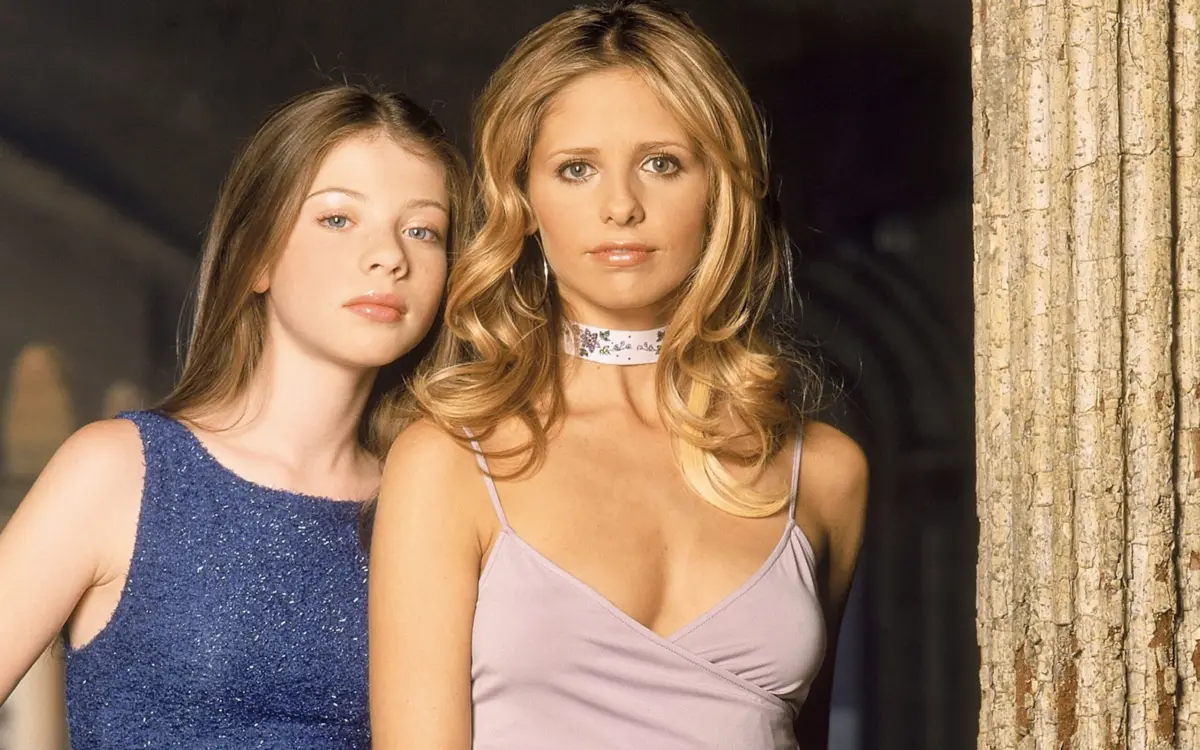
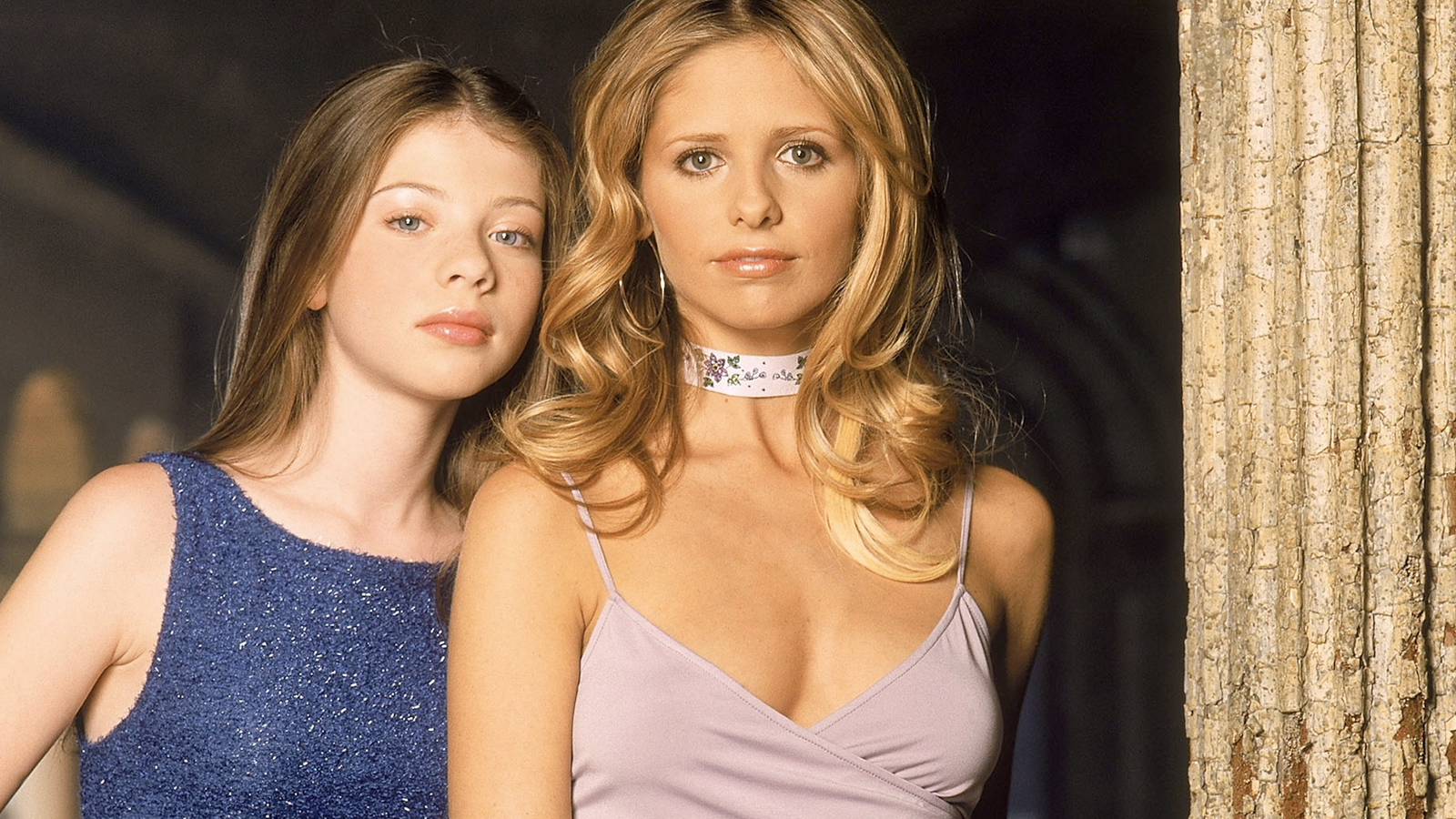
In the pivotal season 5 finale, titled "The Gift," the fictional California town of Sunnydale is collapsing into chaos, leaving Buffy’s tight-knit group of allies with nowhere to run and few options left. The crisis is catalyzed by Buffy’s younger sister, Dawn, played by Michelle Trachtenberg, who discovers she is the unwitting reason a dangerous, reality-threatening portal has opened. Desperate to protect the world and her sister, Dawn attempts to jump into the swirling vortex to close it herself. However, Buffy intervenes at the last possible second, holding her back from the brink.
"The hardest thing in this world is to live in it," Buffy tells her sister, delivering a line that has resonated with fans for a quarter of a century. "Be brave. Live. For me."
Because the two share the same blood, Buffy realizes she is uniquely capable of closing the portal on her own terms. Without hesitation, she steps into the void, sacrificing her life to save humanity and her sister. It is a moment that decisively closes a thematic arc that had been subtly and overtly teased since the show’s very first season.
A Sister Out of Nowhere
Season 5 stands firmly as one of the most emotional and ambitious blocks of television in the series’ history. It marked a bold narrative pivot by committing entirely to a new central dynamic: the complex relationship between Buffy and Dawn. Series creator Joss Whedon later shared in interviews that he introduced Dawn specifically to provide Buffy with an intense, foundational dynamic that was entirely detached from romance. After navigating several seasons defined by relationships with Angel, Riley, and underlying tensions with Spike, seeing Buffy experience raw anger, fierce protectiveness, unconditional love, and deep distress over a sibling relationship offered a refreshing shift for the narrative.
The introduction of Dawn remains one of the most audacious twists in modern television history. Buffy, who had been established as an only child for the majority of the series, suddenly has a younger sister, integrated into the storyline through a casual, throwaway moment that initially left many viewers checking to see if they had accidentally missed a few episodes. However, Dawn’s abrupt arrival was never a plot hole or a continuity error. Instead, the season spends its remaining runtime deconstructing the mystery, ultimately revealing that Dawn is actually "The Key"—an ancient parcel of mystical energy forged into human form by a group of monks who implanted fabricated memories into the minds of Buffy, her friends, and the entire town.
With Dawn’s arrival, Buffy’s era as an ordinary, albeit exceptional, teenager officially comes to an end. The fifth season is fundamentally dedicated to forcing her to grow up at an accelerated pace, systematically stripping away almost everything that previously provided her with a sense of safety and normalcy. This includes the departure of her human boyfriend, Riley, and the devastating, all-too-human loss of her mother, Joyce. This narrative turning point marks the definitive end of Buffy the Vampire Slayer’s lighter, high-school-centric era. From that juncture onward, the series can no longer be viewed simply as a lighthearted monster-of-the-week show about a scrappy group of teenagers trying to save the world; the stakes have become permanently existential and deeply personal.
What Buffy Leaves Behind
Written and directed by Joss Whedon, "The Gift" neatly ties together nearly all of the complex storylines introduced throughout the season. Over the course of these episodes, the dynamic between Buffy and Dawn undergoes a dramatic evolution, shifting from the typical friction of annoyed siblings to a profound caregiving bond where Buffy assumes the role of protector and mother figure. Although Buffy learns early on that Dawn is not biologically human in the traditional sense, the revelation changes nothing about her feelings. To Buffy, Dawn is the most important person in her life and her remaining family. When Giles briefly brings up the unthinkable possibility of sacrificing Dawn to halt the mystical ritual, Buffy immediately and fiercely shuts the conversation down.

The title "The Gift" draws its poignant meaning from a line spoken earlier in the season during "Intervention," an episode where Buffy undertakes a vision quest to meet the First Slayer, a prehistoric girl who delivers a chilling pronouncement: "Death is your gift." This phrase reinforces one of Buffy’s deepest, most persistent fears—the agonizing worry that she is merely a living weapon, a killing machine closer in nature to the vampires and demons she hunts than to the vulnerable human world she is so desperate to protect and belong to.
However, Buffy’s final words to Dawn completely recontextualize what that "gift" truly means. For Buffy, being the Slayer has never genuinely been about raw strength, physical dominance, or wielding power; it has always been about sacrifice. By choosing to die, Buffy tasks her sister with the responsibility of living, regardless of how difficult, painful, or lonely that existence might become. Those very words would go on to haunt Buffy in the sixth season, finding her at her most anguished, isolated, and self-destructive after being abruptly ripped out of heaven and pulled back into the mortal world.
While contemporary audiences know that Buffy the Vampire Slayer ultimately continued for two more seasons—eventually concluding its run on a relatively peaceful note—the writers and cast possessed no such certainty at the time of production. Season 5 marked the final block of episodes to air on The Network WB before the show transitioned to UPN for its concluding years. That palpable uncertainty is precisely why Whedon and his production team treated "The Gift" as a definitive series finale.
In doing so, they crafted an episode that actively engaged in a thematic conversation with "Prophecy Girl," the finale of the show’s first season. That early episode depicted a much younger, more frightened Buffy—a teenager so terrified of dying that she could barely face the Master. In stark contrast, "The Gift" presents a mature Buffy who chooses death with quiet resolve because it guarantees the safety of her sister and the world she loves.
The episode concludes with an indelible, haunting image. As Buffy’s grieving friends mourn her loss and Dawn carries the weight of her sister’s final instructions, the camera pans across Buffy’s lifeless body resting atop a tragic pile of rubble. The scene cuts abruptly to a solemn tombstone bearing her epitaph: "Buffy Anne Summers. Beloved sister. Devoted friend. She saved the world a lot."