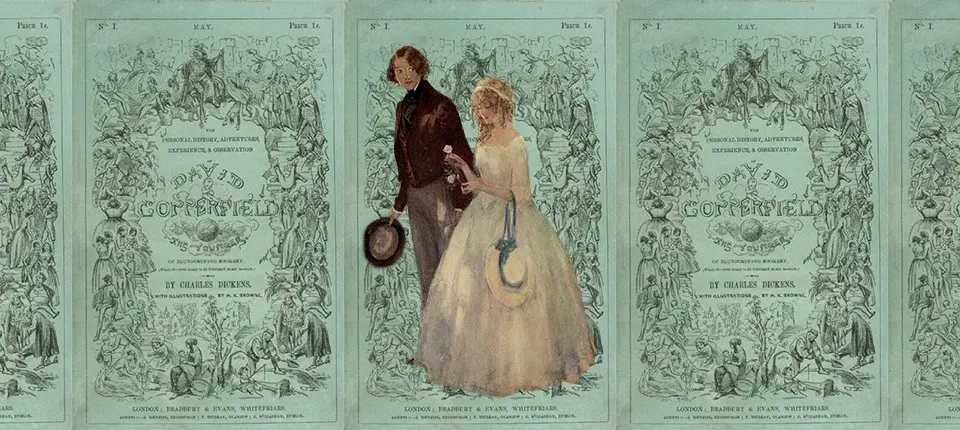
As the literary world marks another dynamic week of digital commentary, essays, and deep-dive journalism, readers and writers alike are taking a moment to look back at the historical milestones that shaped modern storytelling. Today marks a significant anniversary in the annals of Victorian literature: back in 1850, Charles Dickens’s semi-autobiographical masterpiece, David Copperfield, officially concluded its serialized run and was published for the first time in complete book form. This monumental milestone serves as a fitting backdrop for a week that bridges centuries of literary tradition with the pressing, fast-paced conversations of the modern internet.
From the enduring mechanics of digital fandom and the quiet power of independent presses to urgent geopolitical documentations and philosophical explorations of artificial intelligence, the literary web offers a vast panorama of thought. Reviewing the breadth of recent essays and cultural critiques reveals a community of writers grappling with identity, history, media evolution, and the fundamental reasons why humans create art.
Navigating Culture, History, and the Digital Age
One of the most compelling intersections of modern media and traditional writing explored this week is the unexpected professional pipeline running from online fandom to the professional writing sphere. For many contemporary authors, the hours spent deeply engaged in digital fan communities served as an informal masterclass in character development, pacing, and audience engagement, proving that being a passionate fangirl or fanboy online can indeed pay off in unexpected literary dividends.
At the same time, cultural preservation and indigenous histories have taken center stage. Reviewers and essayists have curated essential reading lists focusing on Native American culture and history, offering readers deeper context beyond standard historical narratives. This commitment to reclaiming and archiving diverse histories extends across multiple genres and communities. In a poignant examination of motherhood and cultural preservation, writers have analyzed works like The Waterbearers to confront what contemporary society loses when it fails to properly archive Black motherhood, ensuring these vital stories are not washed away by historical neglect.
International perspectives also anchor much of this week’s literary discourse. A collective of five Iranian writers has come forward to document and bear witness to the harrowing January 2026 massacre, utilizing the written word to record state violence, often writing in a non-mother tongue to bypass censorship and preserve historical truth. Meanwhile, Basque writer Kirmen Uribe has offered a thoughtful meditation on what it truly means to write from a distinct regional and linguistic identity in the modern global landscape, exploring the challenges and profound beauties of being a Basque author today.
Historical explorations this week stretch far beyond the twentieth century. Literary historians marked the anniversary of America’s very first lending library welcoming its inaugural ten members, a modest beginning that catalyzed the democratization of reading across the nation. On a different historical note, cultural critics have revisited the forgotten Syrian adventurer whose contributions were foundational to the origins of Aladdin, tracing how the original author was gradually erased from mainstream history.
Closer to home, urban history enthusiasts have dived deep into the birth of modern New York City through a curated selection of books capturing the chaotic, transformative energy of the metropolis. Simultaneously, darker chapters of corporate and geopolitical history have been brought to light, such as the gripping account of Russian defector Boris Krukoff, who famously plundered the Amazon basin on behalf of American pharmaceutical companies.
Deep Dives into Art, Media, and Human Philosophy
The intersection of literature with film, journalism, and modern technology continues to generate fierce intellectual debate. Filmmaking and power dynamics came under the microscope as acclaimed authors Olivia Laing and Rachel Kushner discussed the volatile, glamorous, and politically charged world of 1970s Italian cinema, analyzing how art mirrors and subverts institutional authority.
In journalism, critics celebrated the enduring, razor-sharp genius of Janet Malcolm, examining her revolutionary approach to reporting, biography, and the complex ethical contract between a writer and their subject. This investigative lens pairs naturally with contemporary interviews, such as Jane Ciabattari’s in-depth conversation with Karen Olsson, author of Dear Thorns, regarding her writing on the endangered species and delicate ecosystems of South Texas.
The digital and scientific spheres have likewise provoked existential inquiries across literary platforms. Contributors have tackled dizzying speculative questions, asking whether humanity is currently living inside a computer simulation and probing whether artificial intelligence can ever truly transcend being a philosophical zombie. These meditations on consciousness find a curious echo in explorations of human neurology and suffering, such as a curated list of ten books examining the history and emotional weight of electroconvulsive therapy.
On a lighter yet deeply philosophical note, cultural essayists have posed a fundamental question to readers: why do we sing? This inquiry into humanity’s oldest artistic expression sits alongside a diverse array of perspectives from contemporary authors answering Lit Hub’s signature questionnaire, where a rotating roster of writers with newly released books share unfiltered thoughts with no wrong answers.
The week’s cultural commentary also ventures into the unexpected arenas of sports, media ego, and geopolitics. One essay drew a surprising parallel between heartbreak, perseverance, and writing by examining what being a loyal Buffalo Bills fan teaches a writer about hope and the inevitable "next year" mentality. In media analysis, insiders from Vanity Fair pulled back the curtain on how they managed the larger-than-life egos of Hollywood elites during the height of magazine journalism’s cultural dominance.
On the global stage, political analysts have questioned whether the world could survive a high-stakes war between two global superpowers, specifically looking at the fragile dynamics governing a potential U.S.-China conflict. Meanwhile, domestic politics and contemporary fiction converged in critiques exploring how writers like Kaveh Akbar and Sally Rooney capture the profound grief and psychological paralysis of living through modern political stalemates.
Bestsellers and Essential Reading Lists
For readers looking to update their personal bookshelves, the literary internet remains a goldmine of recommendations. Independent presses continue to dominate critical conversations, with the latest Top 40 Bestsellers lists highlighting the most vital fiction and nonfiction titles currently moving through independent bookstores.
For younger audiences, critics
have assembled curated reading lists focusing on World War II literature designed to introduce complex historical realities to young readers with nuance and empathy. Adults seeking to understand the complexities of modern social fabrics have turned to a collection of eight essential books dedicated to exploring the evolving identity of multiracial America.
Book reviewers have also published their definitive weekly roundups, highlighting the absolute best-reviewed books of the week to ensure readers do not miss critical new releases. To round out the literary week, personal reading lists—such as Katrina Dodson’s annotated nightstand selections—offer a glimpse into the ongoing reading habits of some of today’s most insightful translators and critics. Whether revisiting the serialized publication triumphs of the Victorian era or confronting the geopolitical anxieties of 2026, the literary community continues to prove that writing remains our most enduring tool for understanding the human condition.