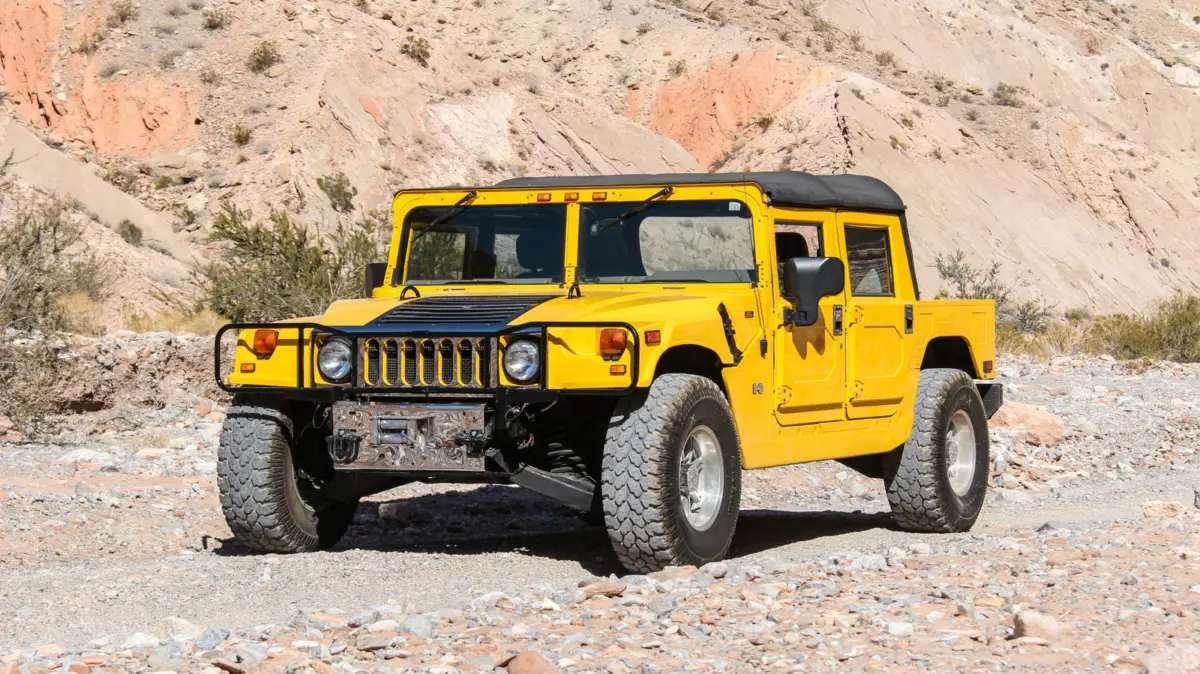
The Hummer brand officially launched in 1992 with the debut of its AM General High Mobility Multipurpose Wheeled Vehicle civilian model. Much like the post-World War II popularity of the Willys Jeep, the H1 capitalized on post-Gulf War nationalism and a high-profile personal endorsement from actor Arnold Schwarzenegger to cement its place in the automotive zeitgeist.
After securing its first major military production contract in 1983, the large, diesel-powered machine was thoroughly field-tested by the time civilian buyers could place an order a decade later. If the military-spec HMMWV could be relied upon by armed forces operating in punishing environments like the Muthanna Province, logic suggested it could easily withstand the rigors of a routine suburban commute. However, as automotive enthusiasts and prospective buyers have learned over the years, the answer to that proposition is a remarkably complex one.
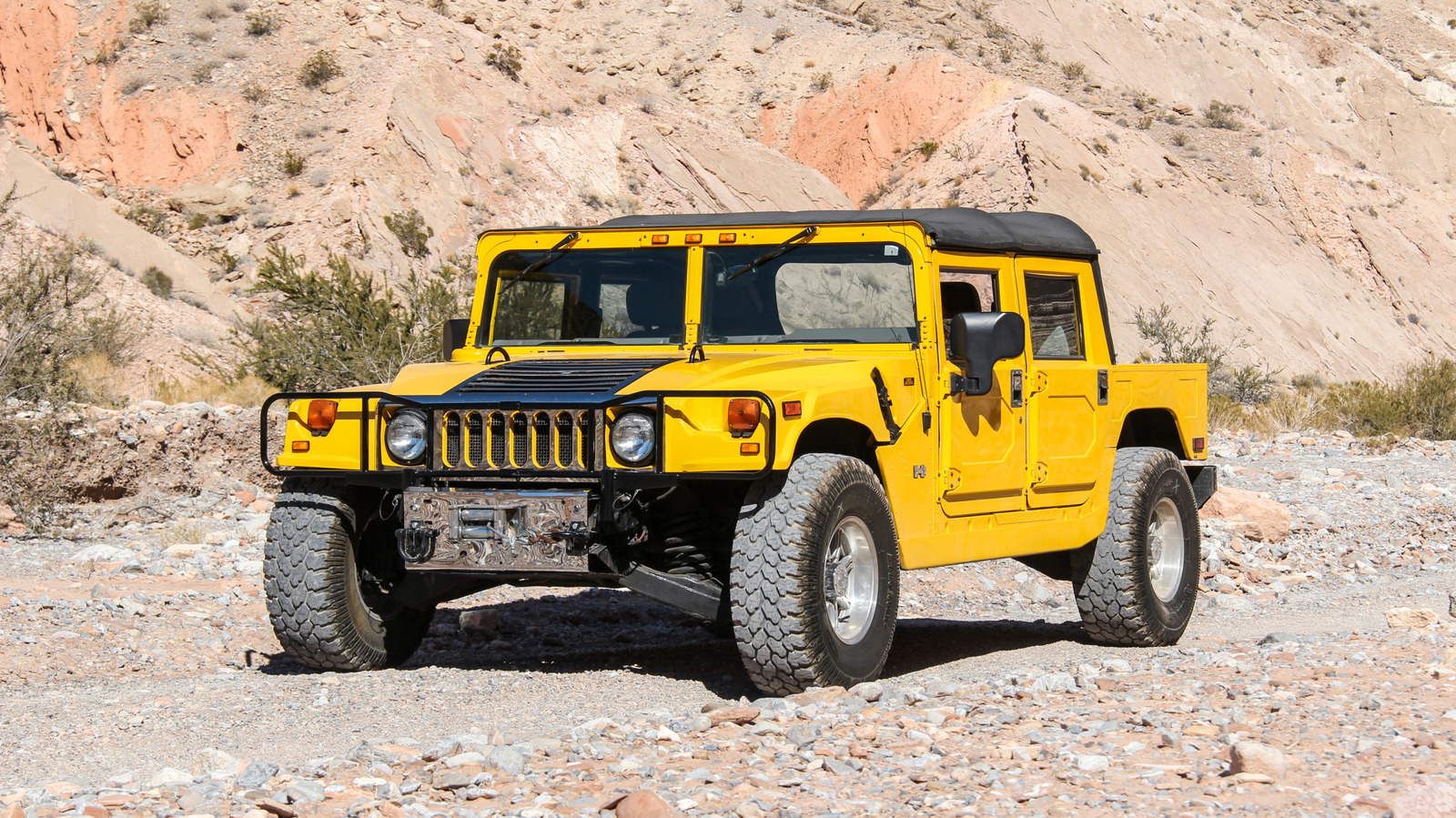
When it comes to imposing four-wheeled machines, few vehicles match the visual presence and road-commanding stance of the original Hummer. Between 1992 and 1999, the vehicle was sold in limited quantities by AM General’s civilian division before General Motors purchased the rights to market and distribute the Hummer brand for the new millennium. With just shy of 12,000 units sold across the truck’s entire production run, these vehicles remain relatively scarce today. Despite their rarity, they maintain a strong cultural footprint, driven by an enduring fascination with genuine military-grade engineering adapted for civilian use.
Because of their high profile and limited production numbers, nearly every variant of the H1 still commands a substantial price tag, even two decades after the end of production. A high-mileage early non-turbo diesel model can trade for around $35,000, while a low-mileage, final-year 2006 H1 Alpha routinely reaches well into the low six-figure range. Buyers willing to invest that kind of money into a rolling monument of automotive history, however, must be prepared to navigate a specific set of mechanical hurdles and historical design flaws.
What Could Go Wrong?
Operating an H1 comes with immediate, practical compromises. Due to its sheer physical size and dense material construction, the vehicle is exceptionally heavy, tipping the scales at approximately 7,500 pounds. Moving that much mass requires a tremendous amount of energy, resulting in fuel economy that routinely hovers around a dismal 10 miles per gallon.
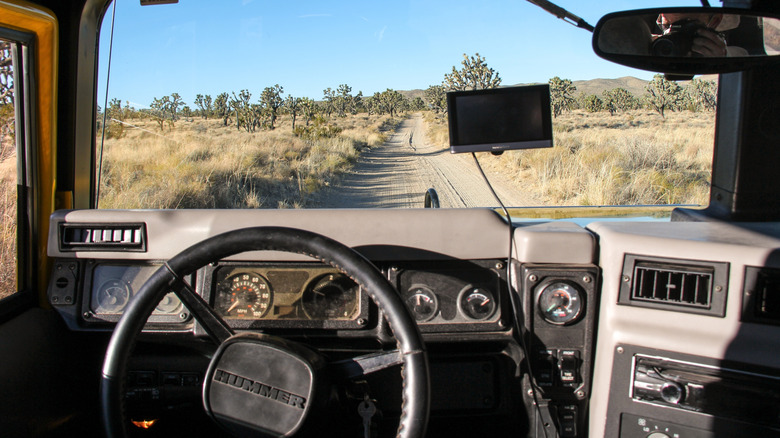
Furthermore, because of the truck’s military heritage, driver comfort was rarely a priority during the design phase. Noise, vibration, and harshness engineers were given minimal influence, leading to a cabin experience that can be taxing over long distances. According to a review by Hagerty, the heavy-duty diesel engine sounds akin to a jackhammer operating directly inside the cockpit. Compounding the spartan, utilitarian interior environment, early models also lack fundamental modern safety features like airbags.
On the bright side, the Hummer H1’s foundational structure is famously robust, earning a reputation for being nearly indestructible—with one major, glaring exception. Automotive enthusiasts who followed automotive journalism closely over the years likely recall when long-running vehicle evaluations first brought these mechanical vulnerabilities to light.
Beginning around 1996, every single Hummer was fitted with a 6.5-liter Detroit Diesel turbocharged V8 engine. This powerplant paired the modest 194 horsepower output of a contemporary Toyota Camry with a hefty 438 lb-ft of torque reminiscent of an agricultural tractor.
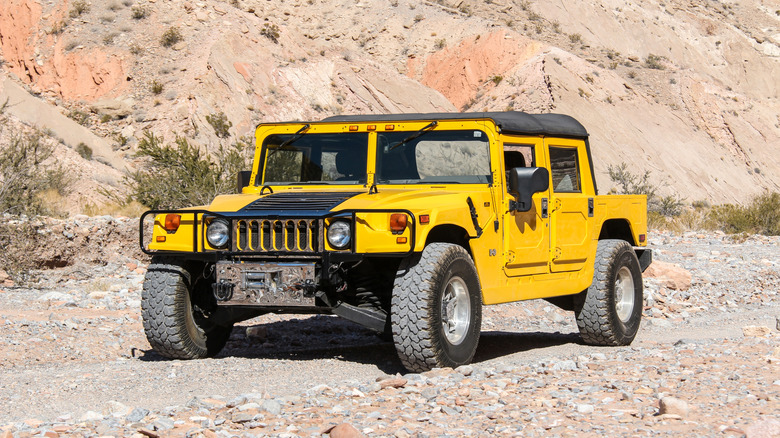
However, a significant manufacturing defect plagued these units. Every single one of these engines was produced with a casting flaw that ultimately resulted in a structural crack forming on the number eight cylinder. While the mechanical remedy was straightforward—requiring a complete engine replacement—the scope of the issue was systemic. Every single Hummer built between 1996 and 2000 either experienced a catastrophic engine failure due to the number eight cylinder defect or possessed the latent structural weakness that guaranteed a future failure.
Fortunately, models produced before 1996 featuring the non-turbo Detroit Diesel, the exceptionally rare gasoline-powered variants, and the later 2001 through 2006 models remain completely unaffected by this specific casting flaw. Prospective buyers inspecting these vehicles are advised to verify the engine casting number to ensure it was manufactured after March 15, 1999.
Just an Exploding Engine? Is That It?
While the cylinder casting issue is undoubtedly the most severe mechanical threat associated with the H1, it is not the only persistent trouble spot. The vehicle’s factory onboard tire inflation and deflation system is notoriously prone to leaks as the vehicle ages. Particularly after sitting for extended periods with low-mileage odometers, the rubber lines that route compressed air to the wheels tend to dry out, crack, and lose pressure. While it is entirely possible to replace the deteriorated lines and restore the system to full working order, many owners choose to bypass the onboard inflation system entirely and service their tires using traditional methods.
Maintaining a twenty-year-old heavy-duty military derivative also means keeping a close watch on typical components subject to heavy wear and tear. Widespread suspension wear, fluid leaks, rust accumulation, neglected braking systems, and comprehensive service records demand careful scrutiny during any pre-purchase inspection.
Furthermore, routine maintenance items carry specialized costs. According to data from Tire Rack, a dedicated set of replacement tires sized specifically for the H1 can cost upwards of $2,240, a financial factor that can serve as a useful tool when negotiating purchase prices. Because of the vehicle’s rarity, finding replacement parts for specialized systems like the central tire inflation mechanism at a standard local auto parts store is generally impossible. While the necessary components remain available through specialty suppliers and dedicated vendors, owners quickly learn to keep dedicated specialist contacts on hand.
For buyers considering models produced between 1996 and 2000 that have not yet undergone an engine replacement, acquiring a discounted example can provide the foundation for a unique project truck. Enthusiasts frequently dream of retrofitting rare two-door pickup configurations with modern upgrades, such as a high-output Duramax turbo diesel V8 capable of producing massive horsepower and torque figures. Such custom restorations remain one of the few pathways to transforming a vintage military-spec icon into a modern, high-performance machine.