While the defining franchises of the science fiction genre—properties like Star Wars, Star Trek, and Alien—have built sprawling multiversal empires that continue to expand across decades, there is a distinct charm to a narrative that knows exactly when to finish. The genre’s inherent capacity to imagine alternate worlds, galaxies, and universes often invites endless sequels and spin-offs. Yet, there are moments when viewers crave a self-contained journey, a complete cinematic experience that can be entirely consumed over the course of a single weekend without the burden of multi-season commitments.
Miniseries bridge this gap seamlessly, though they remain a rarity in successfully executing high-concept science fiction. While sprawling space operas like The Expanse or dense psychological thrillers like Westworld require expansive episode counts to properly unpack their sprawling frameworks, a select few creators have managed to pack profound philosophical weight, high-stakes action, and unforgettable world-building into tight, limited runs. These eight standout science-fiction miniseries offer near-perfect viewing experiences that can be comfortably wrapped up in just a few days, balancing fast-paced plotting with deep thematic resonance.
Station Eleven
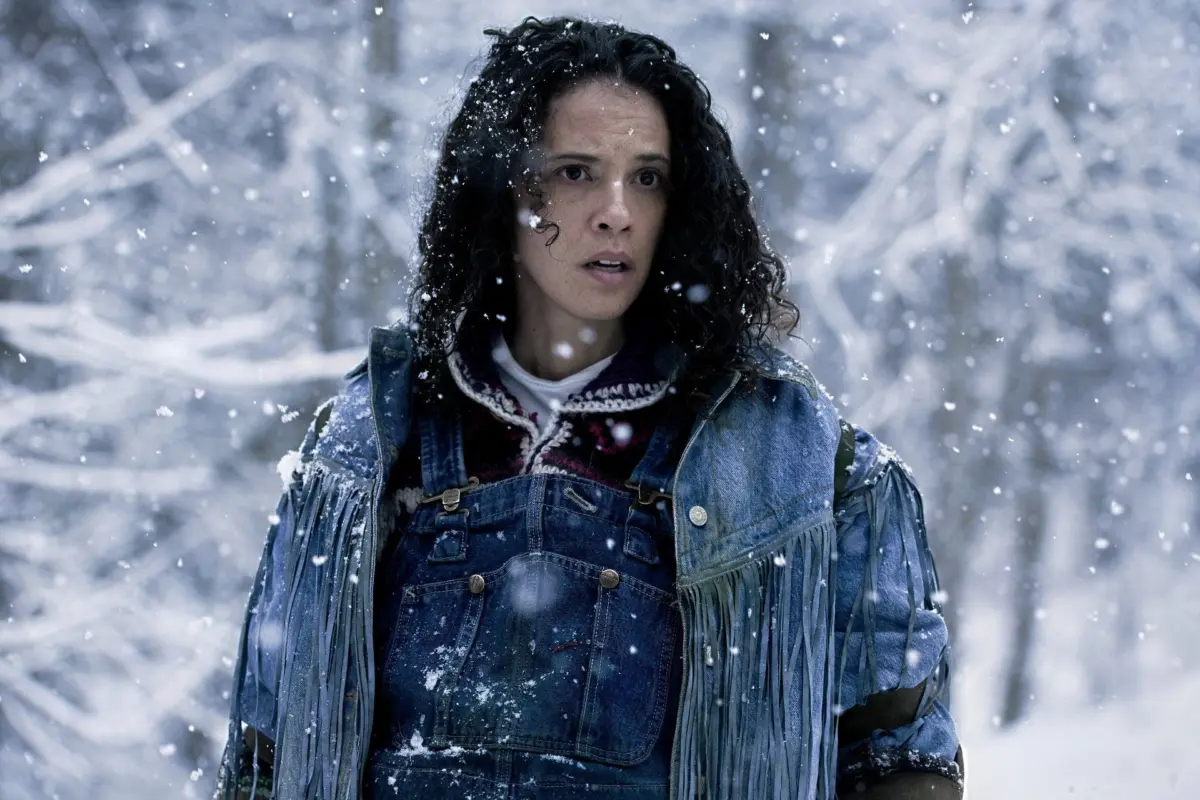
Stories set within post-apocalyptic dystopias typically demand a generous amount of runway simply to establish the rules, geography, and dangers of their collapsed worlds. However, Station Eleven bypasses heavy exposition to deliver 10 enthralling episodes that register with immense emotional force from the opening moments. Set two decades after a devastating flu pandemic effectively wipes out modern human civilization, the HBO Max series follows a nomadic troupe of survivors who make their living by performing Shakespearean plays and musical numbers for scattered settlements.
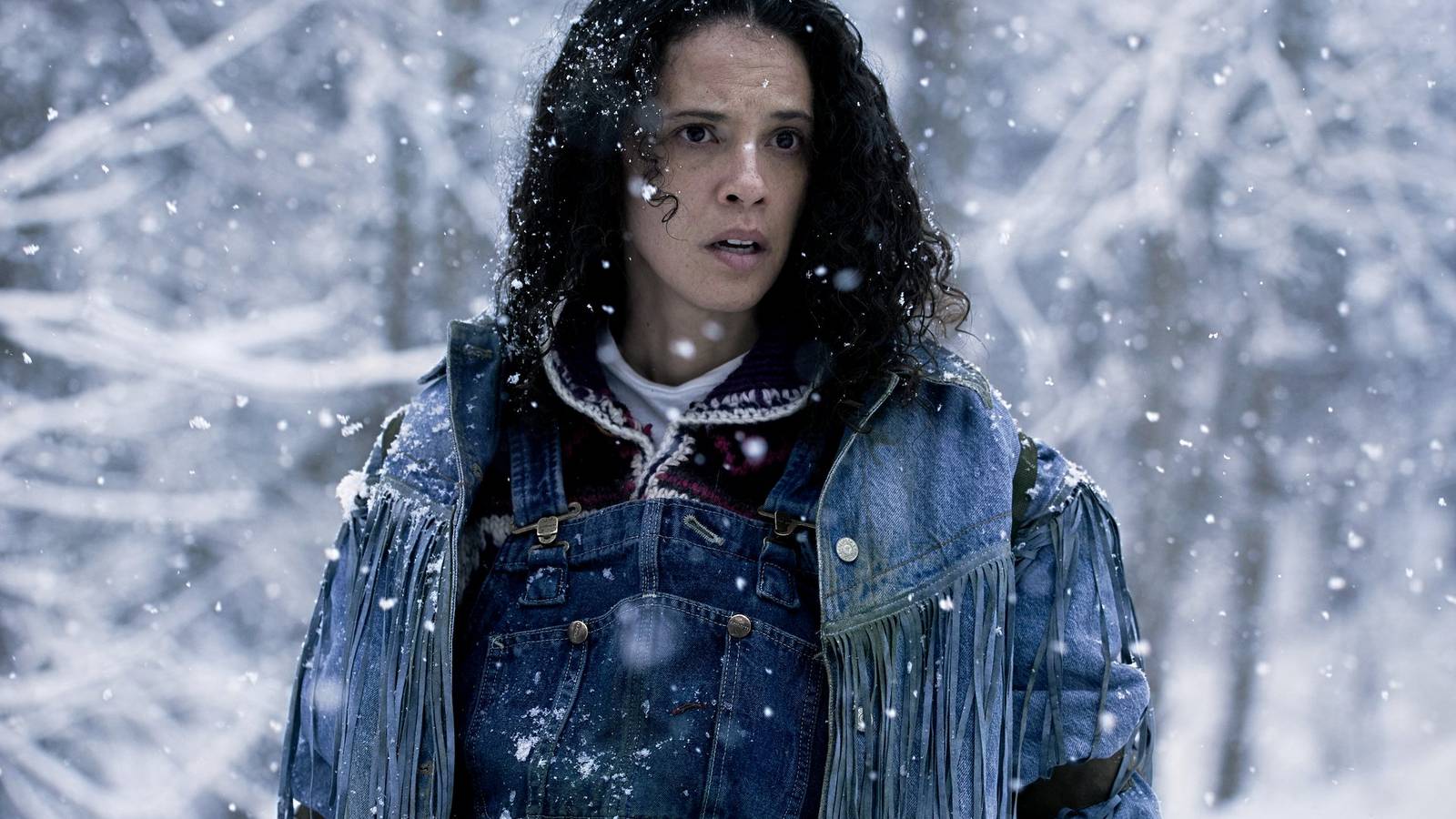
Rather than leaning entirely into bleak nihilism or cynical survivalism, Station Eleven frames grief as a universal, shared language among the survivors, who attempt to rebuild their humanity through artistic expression. While the narrative does not shy away from the violent conflicts and dangers of a lawless world, its ultimate resolutions feel thoroughly earned and deeply satisfying, offering a unique meditation on art, memory, and connection at the end of the world.
Watchmen
Following his extensive work as a showrunner on defining television mysteries like Lost and The Leftovers, Damon Lindelof took the helm of HBO’s Watchmen, a sophisticated and critically acclaimed miniseries structured as a continuation of Alan Moore and Dave Gibbons’ legendary 1986 comic book. The series respects its foundational source material by continuing the legacy of iconic figures such as Doctor Manhattan and Ozymandias, while simultaneously introducing a fresh slate of characters to illustrate how their alternate 21st-century reality has evolved over the decades.
In this iteration, a radical white supremacist organization drawing inspiration from the comic’s Rorschach character wages a clandestine war against the Tulsa Police Department, forcing law enforcement officers to conceal their faces behind yellow bandanas to protect themselves and their families from targeted assassinations. Regina King stars as Angela Abar, also known as Sister Knight, a lead detective investigating the murder of her commanding officer who stumbles upon deep-seated, decades-old conspiracies tied to the history of vigilantism. Watchmen thrives on complex puzzle-box plotting, expertly anchored by real-world historical trauma and a remarkably nuanced critique of superhero mythology.

Bodies
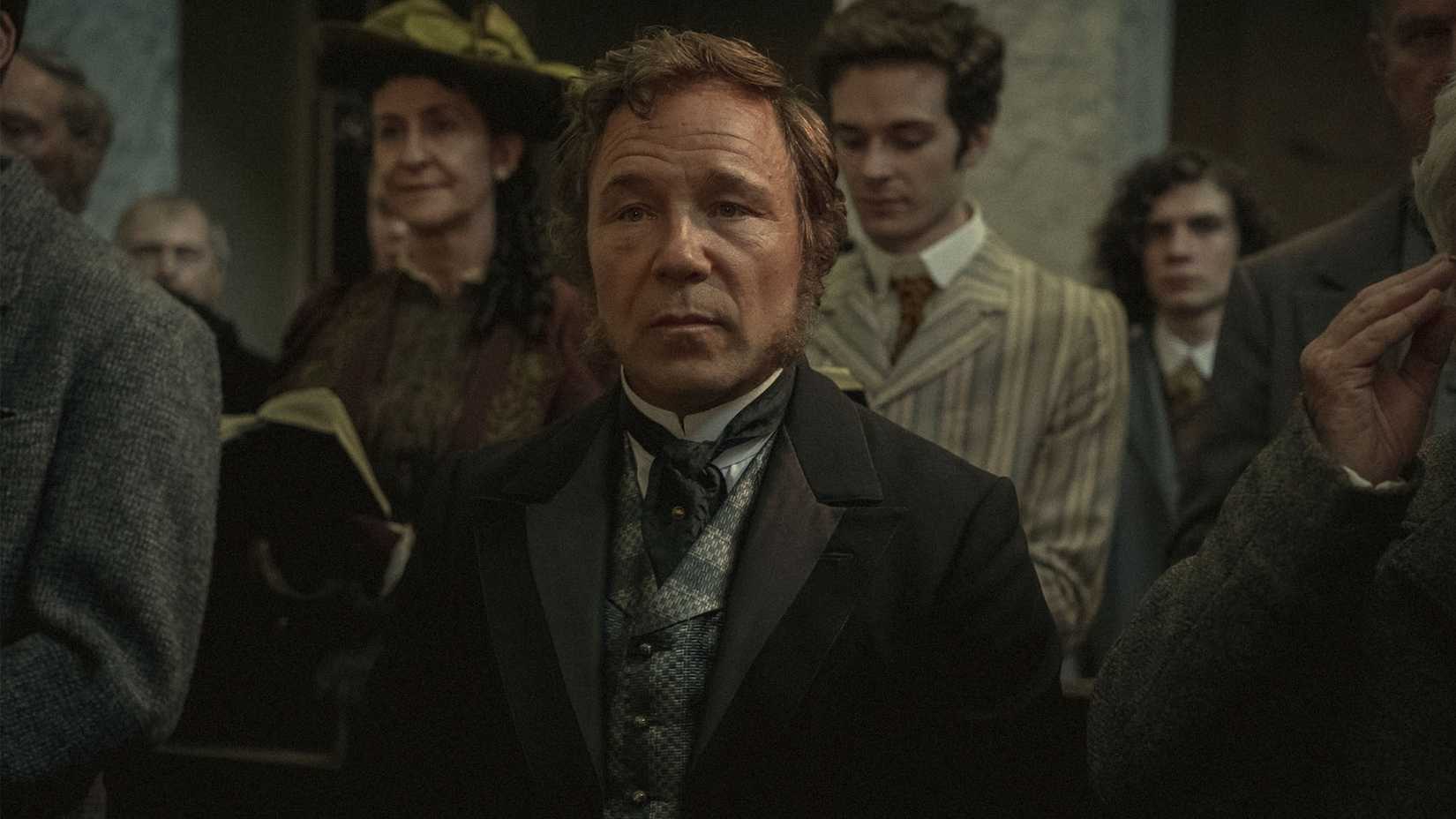
While time travel narratives have seen a renaissance through ambitious international projects like Netflix’s Dark, the British miniseries Bodies manages to reinvigorate the subgenre across a tight eight-episode arc. Adapted from the graphic novel by Si Spencer and Dean Ormston, the story kicks off with a jarring premise: the exact same corpse turns up in the Whitechapel district of London across four completely different historical eras—1890, 1941, 2023, and 2053.
Four distinct detectives, each operating against the distinct social backdrop and political anxiety of their respective times, take on the case. Watching how a Victorian-era investigator approaches the puzzle compared to a detective navigating the Blitz during World War II provides a captivating structural framework for the mystery. Bolstered by a talented ensemble cast, Bodies makes for an airtight narrative puzzle that rewards close attention over a rainy weekend.
Years and Years
Audiences worldwide recognize Russell T Davies as the visionary writer responsible for spearheading the hugely successful revival of Doctor Who, but his creative range also encompasses Years and Years, a deeply moving and sobering dystopian drama. Spanning the years between 2019 and 2034, the series chronicles the trials and tribulations of the Lyon family as they navigate a turbulent era of political instability, economic collapse, and rapid technological acceleration in Great Britain.

Central to the narrative is the meteoric rise of Vivienne Rook, a controversial, media-savvy populist politician brought to life by a chilling performance from Emma Thompson. As daily life becomes increasingly dictated by surveillance tech and shifting geopolitical borders, the Lyons family tries to hold fast. Years and Years succeeds by keeping its speculative elements frighteningly grounded, serving up a mirror to contemporary political anxieties and presenting a plausible, sobering trajectory for the near future.
FLCL
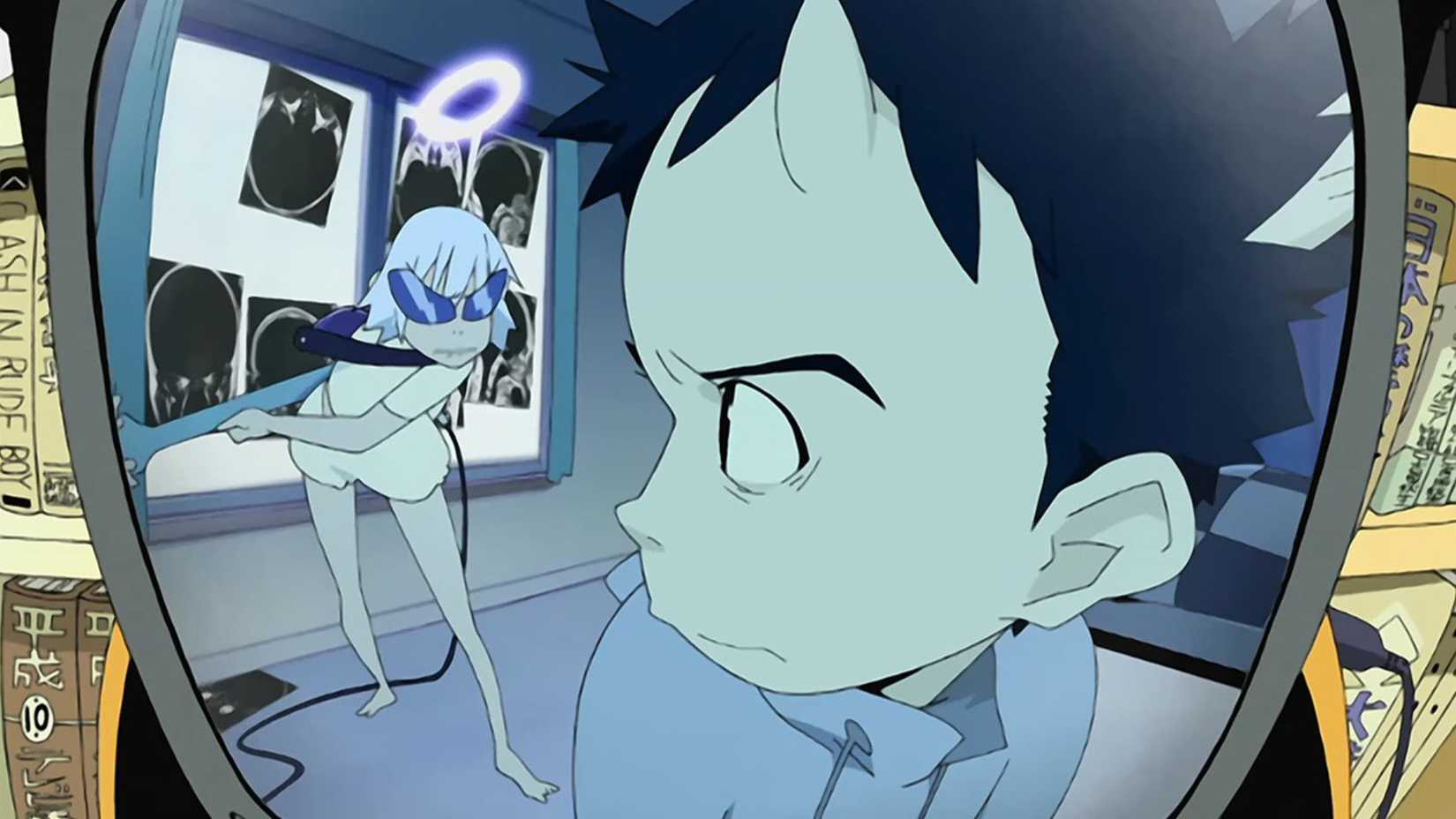
The original six-episode anime FLCL stands as a monumental achievement in avant-garde animation and storytelling. The narrative centers on Naota Nandaba, a cynical 12-year-old boy whose sleepy, uneventful suburban existence is upended overnight by the arrival of Haruko Haruhara, an eccentric intergalactic investigator who promptly runs him over with a yellow Vespa and finishes him off with a blow from a Rickenbacker bass guitar.
Following the bizarre accident, strange robotic appendages and futuristic weaponry begin manifesting directly out of Naota’s head, which Haruko utilizes as a dimensional portal for her own secretive mission. Produced through a collaboration between Gainax and Production I.G, the series boasts an instantly iconic visual identity that pairs traditional cel animation with dynamic 3D CGI sequences. Beneath its frantic pacing and surreal comedic beats lies a tender, raw coming-of-age story about adolescence and emotional growth.
Scavengers Reign
Though it faced the unfortunate fate of cancellation by Max following its initial run, the animated science-fiction series Scavengers Reign functions brilliantly as a standalone miniseries that leaves a lasting impression. The plot revolves around the surviving crew members of a damaged interstellar cargo ship who find themselves stranded on a breathtaking yet deeply hostile alien planet, where the indigenous flora and fauna display astonishing, unpredictable adaptations.
Split into distinct groups across the vibrant landscape, the survivors are forced to study the complex, symbiotic relationships between the planet’s bizarre life cycles just to stay alive. The ecosystem itself operates as a primary character, driving the narrative forward through environmental dread and hypnotic visual design that evokes the classic speculative aesthetics of 1990s science fiction animation.
Devs
Alex Garland, celebrated for his cerebral cinematic contributions to the genre including Ex Machina and Annihilation, brought his distinct directorial voice to television with Devs, an eight-part techno-thriller on FX. The plot sets into motion when Sergei, a talented young software engineer played by Karl Glusman, is recruited to join the ultra-secretive quantum computing division—known simply as Devs—at a cutting-edge Silicon Valley tech firm named Amaya.
When Sergei suffers a sudden and tragic fate on his very first day, his girlfriend Lily, who works at the same company, launches an independent investigation. As Lily delves deeper into the corporation’s high-security facility, the mystery unravels into a surreal exploration of determinism, free will, and the ethical boundaries of computing power. Driven by Garland’s signature unhurried pacing and meticulous framing, Devs builds an intricate logical framework that challenges viewers to rethink the fundamental nature of human choice.
V
No retrospective of impactful science fiction television is complete without a classic alien invasion narrative, and Kenneth Johnson’s influential two-part miniseries V remains a landmark entry in the subgenre. The story begins when a massive fleet of extraterrestrial mother ships hovers above Earth’s major metropolitan areas. The visitors, outwardly appearing as friendly, human-like humanoids, extend an offer of peaceful exchange, promising advanced medical and technological knowledge in exchange for Earth’s abundant natural resources.
Once global governments accept their terms and political power structures begin to shift under the influence of the newcomers, a small underground resistance movement discovers a terrifying hidden agenda beneath the visitors’ pleasant facade. Rather than relying on standard extraterrestrial combat tropes, V uses its high-concept premise as a grounded political allegory examining compliance, authoritarianism, and resistance, utilizing a documentary-style realist presentation that cemented its legacy in television history.