J.J. Abrams has long cemented his legacy as a master architect of puzzle-box television, a format that thrives on shocking narrative reveals, complex mythologies, and irresistible mysteries. Long before streaming platforms dominated home entertainment, Abrams helped co-create Lost, the monumental 2004 drama that redefined serial storytelling. The unforgettable pilot episode of Lost—which Abrams himself directed—introduced audiences to a disoriented Jack Shephard, played by Matthew Fox, as he woke up in a dense jungle to survey the horrific wreckage of Oceanic Flight 815, eventually stepping up to aid the remaining survivors.
While Abrams struck television gold with that opening premise, the Cloverfield director would go on to recreate similar high-concept disaster conditions in an entirely different kind of project after moving past his primary day-to-day involvement with Lost in 2005.
Three years later, Abrams returned to network television as a co-creator of the paranormal sci-fi series Fringe, which debuted with its own unsettling aerial disaster. Although the commercial airliner in question does not technically crash, its sudden, eerie landing via autopilot raises immediate and horrifying questions about the inexplicable state of the passengers and crew found lifeless and incapacitated inside.
When it originally premiered on Fox, the critical and commercial reception to Fringe was nowhere near as rapturous or instantly viral as Lost had been. Yet, much like fine wine, the show’s cultural perception and critical acclaim gradually improved over the course of its tightly constructed five-season run, eventually earning a fiercely loyal cult following. For viewers interested in diving into Abrams’ inventive sci-fi universe and the convoluted, multi-layered lore it has to offer, a major accessibility milestone has arrived. Fans can now stream the entirety of Fringe completely free of charge on Pluto TV, offering an open doorway to one of the most imaginative genre shows of the 21st century.
What is Fringe About?

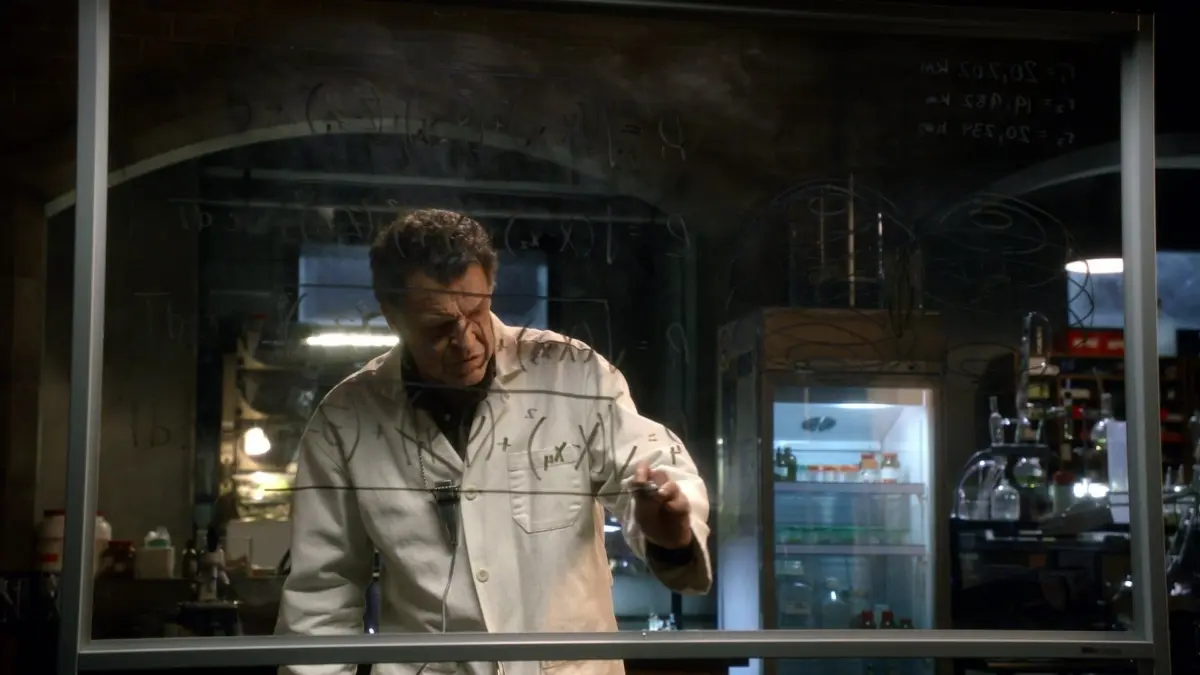
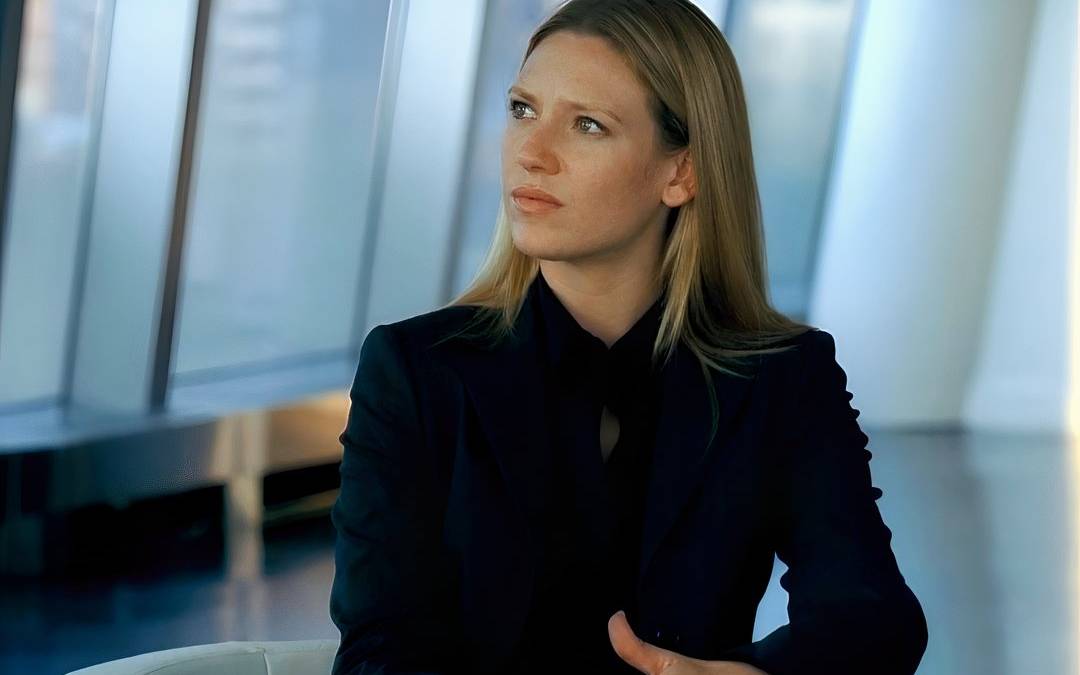
At its core, Fringe follows a specialized Joint Federal Task Force known as the Fringe Division, operating under the auspices of the Federal Bureau of Investigation. This clandestine unit is tasked with investigating bizarre, unexplained cases related to speculative science, fringe physics, parallel universes, technological singularities, and reality-bending anomalies. The core investigative team is spearheaded by FBI Special Agent Olivia Dunham, portrayed by Anna Torv; Dr. Walter Bishop, a brilliant but institutionalized fringe scientist played by John Noble; and Peter Bishop, Walter’s estranged, hyper-pragmatic son brought to life by Joshua Jackson.
The narrative engine of the series kicks off when the trio is assigned to investigate a series of bizarre occurrences centered around Reiden Lake. These early investigations soon tie back to an ominous, large-scale doomsday event orchestrated by a shadowy network of rogue scientists. Amid the high-stakes chaos of stopping these threats, the members of the Fringe team are forced to confront unsavory, deeply buried secrets about one another, adding a heavy psychological toll to the already extraordinary demands of living such unorthodox lives.
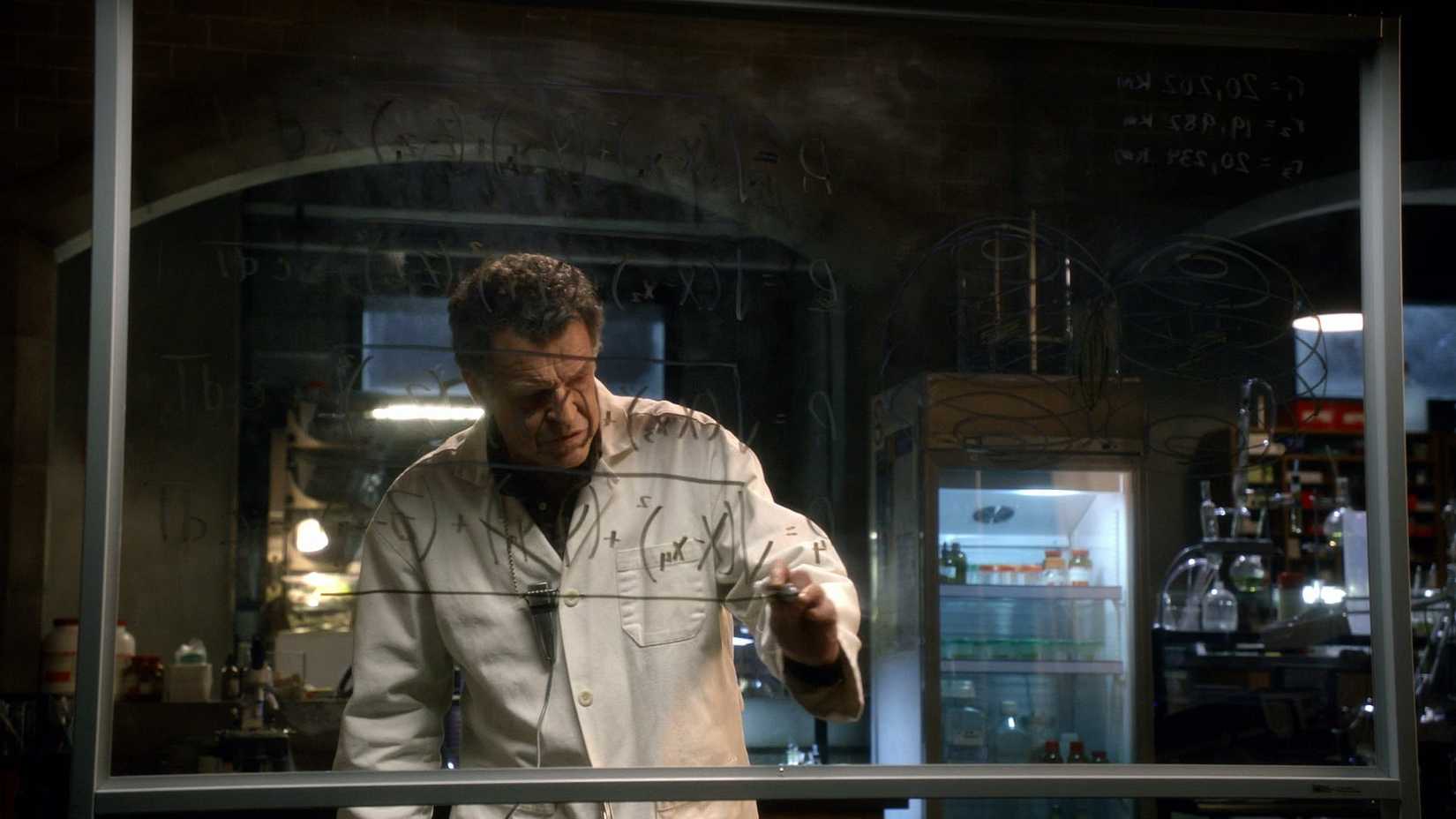
From those initial procedural roots, Fringe evolves into a relentless, overarching narrative arc centered on solving baffling scientific anomalies that frequently challenge the ethical boundaries of human knowledge. Dr. Walter Bishop serves as the quintessential mad scientist of the group, a man who obsessively engages in dubious, boundary-pushing experiments while simultaneously approaching everyday domestic matters with a refreshing, sometimes jarring irreverence. His complicated dynamic with Peter and Olivia breathes life into the procedural format that the early seasons heavily embrace. During these episodes, the team deals with heightened cognitive abilities, cross-dimensional incursions, and deeply troubling instances of quantum entanglement. Because mainstream scientific institutions refuse to dabble in these fringe concerns, it falls entirely upon this eccentric trio to prevent the total demise of humanity.
Fringe’s Hard Sci-Fi Elements are Perfectly Balanced with Deeply Moving Interpersonal Bonds
At first glance, Fringe can easily feel like a spiritual successor to celebrated genre television classics like The X-Files or The Twilight Zone, drawing heavily from their penchant for outlandish plotlines, monsters of the week, and standalone mystery episodes. For instance, the season four episode "Welcome to Westfield" features a reality-bending spatial anomaly that functions as a direct homage to classic speculative anthology television. However, a closer inspection reveals a deeply overlooked science fiction series that consistently prioritizes tender empathy and emotional resonance, even when its characters are caught up in alternate timelines and parallel universes. It ultimately tells a surprisingly touching story about family—both biological and found—and what those bonds mean when the very nature of existence is constantly in flux.
It is easy for casual viewers to dismiss a show that dabbles heavily in hard sci-fi jargon and theoretical physics as overly didactic or dry, but Fringe manages to avoid this trap through a breezy, self-aware sense of humor that cuts through the tension. Even the most stoic and no-nonsense characters, such as FBI boss Phillip Broyles, played with gravitas by the late Lance Reddick, are periodically given windows of opportunity to display moments of levity and warmth.
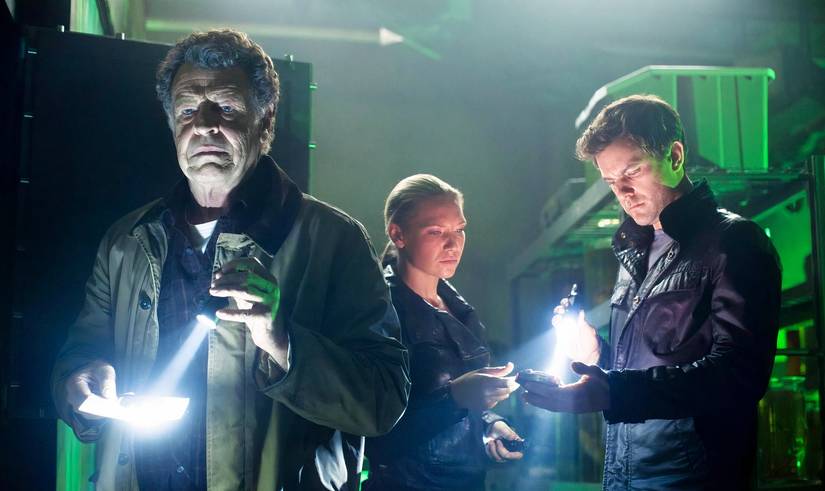
Moreover, while the scientific principles explored in the series are often scientifically inaccurate or exaggerated for dramatic effect, these implausible leaps never hamper the show’s ability to entertain and engage the audience. Viewers do not need an advanced degree or an in-depth understanding of theoretical fringe science to enjoy the unconventional ride. Instead, the central trio’s startling vulnerability and emotional flaws allow audiences to deeply relate to the utterly impossible situations they find themselves navigating week after week.
Although Fringe originally aired on Fox during an era that predated the modern streaming boom, relying instead on traditional weekly broadcasts and eventual DVD box sets, the series is uniquely suited to modern viewing habits. It is the kind of intricate narrative that can be easily absorbed over the course of an extended weekend, allowing viewers to track its evolving mythology without getting bogged down by episodic fatigue. That forms a core part of the show’s unstated charm: Fringe only manages to make its wildly fantastical elements work because they are anchored entirely by the genuine love and loyalty shared among its characters. In the world of the show, intellect and empathy function as two halves of a singular whole, lending to a deeply fulfilling television experience.
Fringe is currently available to stream for free on Pluto TV.