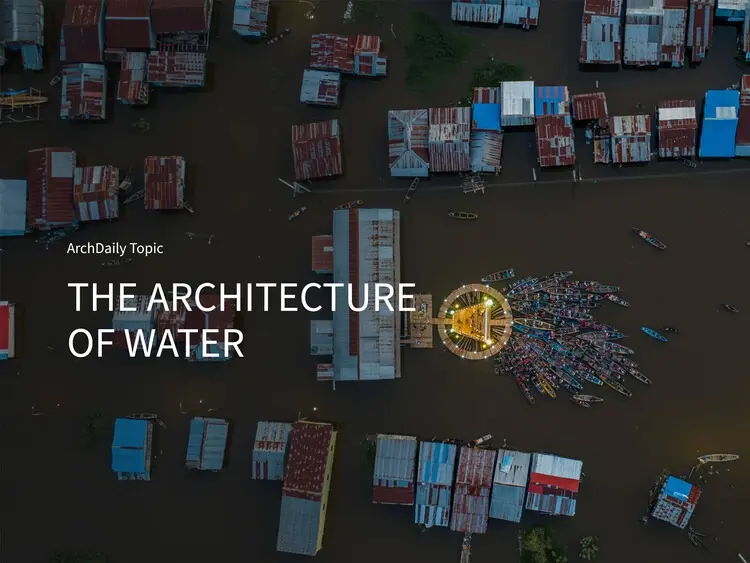
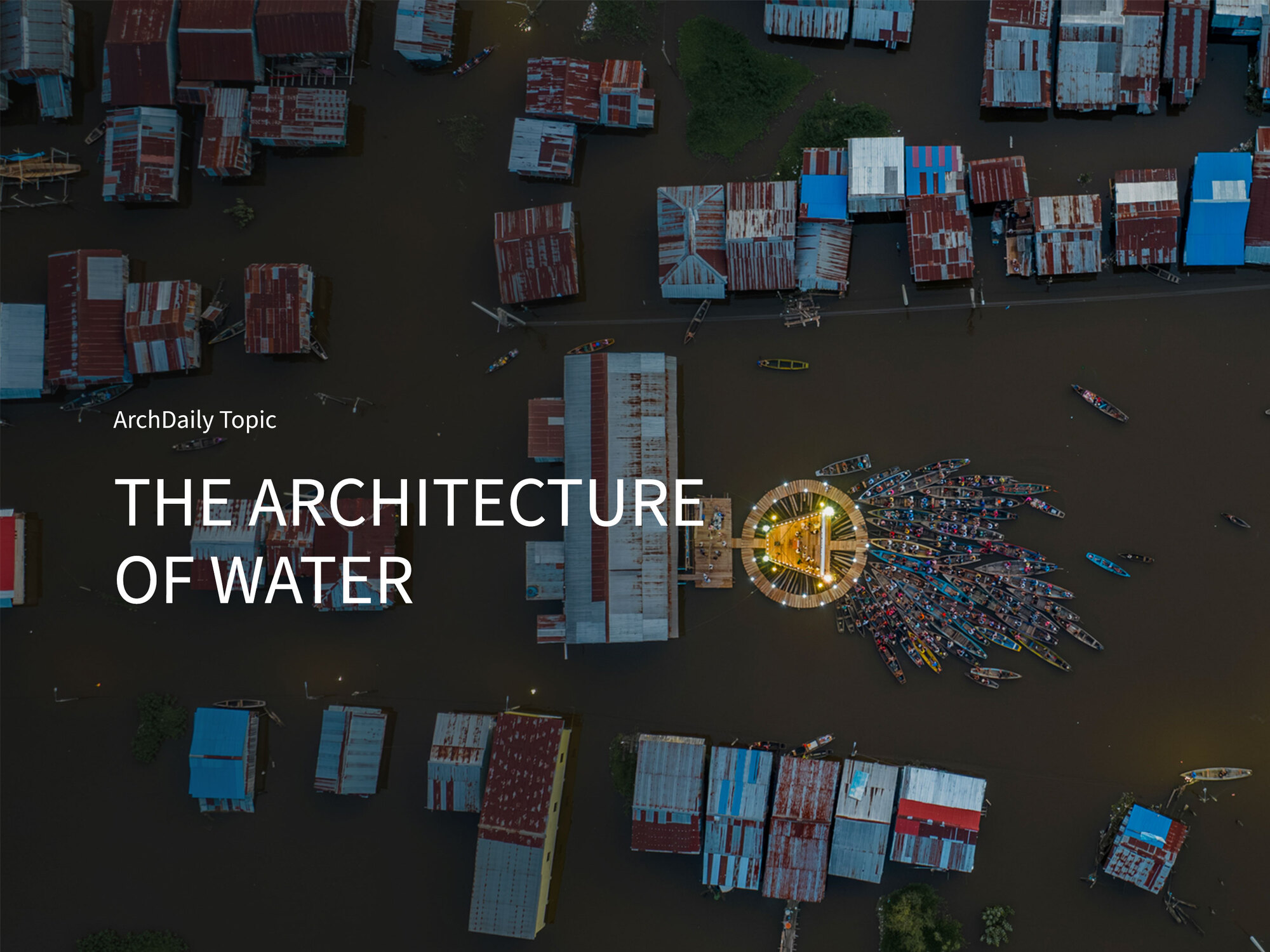
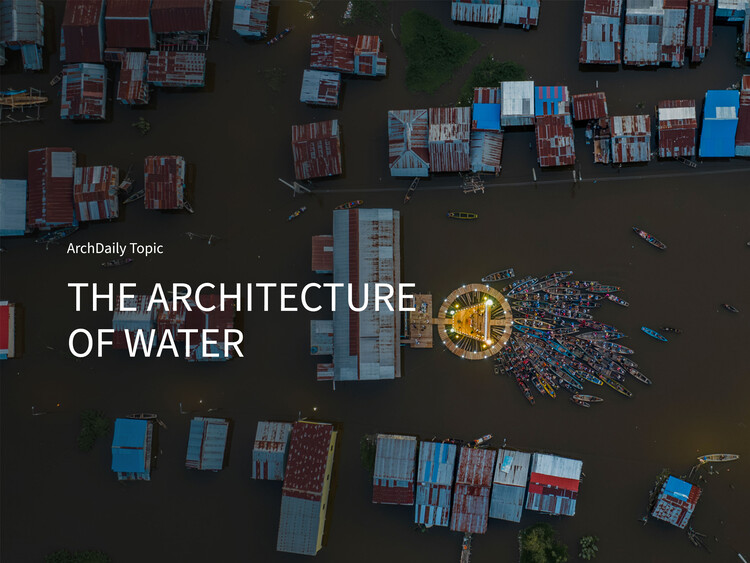
Water is the fundamental lifeblood of our planet. Animals, plants, fungi, and bacteria all depend upon it unconditionally; water structures their cells, carries their vital nutrients, and hosts the delicate chemical reactions that keep living organisms alive. Even the rare exceptions in nature merely confirm the rule. Certain seeds and spores can lose nearly all their internal moisture, entering a dormancy so profound that their metabolic processes almost completely halt, yet it is water alone that ultimately brings them back. In the most literal and undeniable sense, water connects every living thing across the globe.
Yet, as much as water unites the natural world, it simultaneously divides human societies. Every year, thousands of desperate individuals leave the shores of North Africa in overcrowded watercraft bound for the island of Lampedusa, seeking safety, stability, and better living conditions in Europe. According to tracking data from the International Organization for Migration, more than 30,000 people have died or gone missing in the Mediterranean Sea alone since 2014. Water draws hard borders and strictly controls geopolitical flows. Prior to the outbreak of the war on Iran in February 2026, the Strait of Hormuz carried approximately 25% of the world’s seaborne crude oil, with supply disruptions and price spikes instantly felt at fuel pumps far away from the Persian Gulf.
Furthermore, water sits dead center in the contemporary environmental debate, where its excess can prove just as lethal as its absolute absence. Severe, unyielding floods increasingly strike nations that have historically contributed the least to global carbon emissions, while the world’s largest industrial polluters remain vastly better equipped to resist and recover from climate shocks. If water is life, it can equally mean death. Ultimately, water is profoundly political.
This complex, multifaceted tension serves as the primary starting point for ArchDaily’s October Editorial Focus, titled The Architecture of Water: Territories, Tensions & Transformations. Throughout history, human civilizations have always gravitated toward water, establishing their roots from the ancient river valleys where agriculture first blossomed to the vast coastlines that now concentrate many of the world’s largest and most economically vital cities. However, as global sea levels steadily rise and environmental disasters such as floods and coastal erosion intensify, the modern hubris of "controlling" water looks increasingly fragile. Building directly at the water’s edge raises critical questions regarding necessity, freedom, and human responsibility.
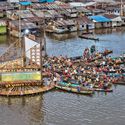
As the climate crisis accelerates, architects and urban planners are forced to confront difficult dilemmas. Should buildable land continue to be aggressively expanded through artificial coastal reclamation, and at what devastating cost to fragile marine and terrestrial ecosystems? Where does human property ownership end and genuine environmental stewardship begin? And who ultimately gets to claim sovereignty over land located on or immediately surrounding water bodies?
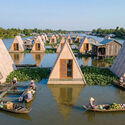
Throughout the month of October, ArchDaily’s comprehensive coverage moves fluidly across various scales and geographies to explore these pressing themes. The editorial focus digs deep into the ground itself, examining how soil composition, drainage systems, and equitable access to water have historically always been matters of political power and social stratification. By revisiting historic water structures—many of which have long been preserved merely as romantic monuments or historical relics—the platform asks whether these ingenious traditional systems could be adapted to work as functional infrastructure once again in an era of climate uncertainty.

Along vulnerable coastlines, the editorial gaze looks closely at natural mangrove forests, viewing them as living, breathing barriers that rival rigid concrete seawalls in their ability to absorb storm surges. It also examines low-lying bayous and deltas, where modern landscape design is finally learning to negotiate gracefully with shifting landmasses and rising tides rather than attempting to fight them with brute force.
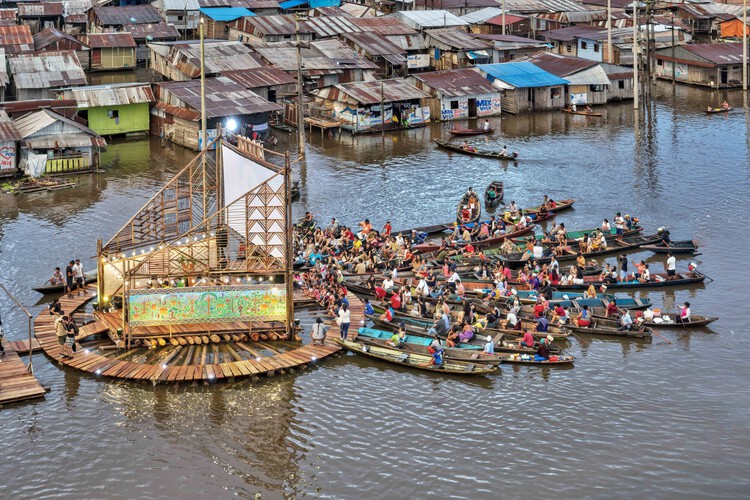
In dense urban environments, the editorial focus follows Southeast Asian urban centers where historic canals are being reclaimed as vital ecological and public transportation networks rather than simply being treated as industrial drains. In Latin America, the spotlight turns toward innovative public plazas and parks specifically designed to flood safely during heavy downpours, transforming a hazard into a communal asset. Meanwhile, in regions where freshwater is critically scarce, the coverage explores emerging atmospheric technologies designed to draw water directly from the air, carefully weighing their technological promise against their physical and economic limits. Together, these diverse stories point firmly toward the emergence of a new "Blue Economy" that is grounded fundamentally in regeneration rather than ruthless exploitation.
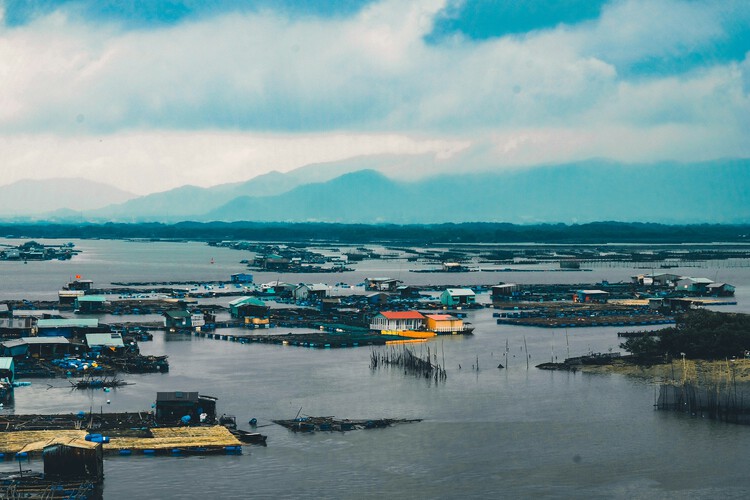
These developments pose profound questions for the future of the built environment. Can the architectural profession finally accept a degree of uncertainty, moving away from rigid permanence to design structures specifically for water that rises, recedes, and returns? Who gets to decide precisely where water ends and private land begins? And what would it truly mean for society to treat water not as a private commodity or a resource to be forcibly controlled, but as an ecological common to be shared collectively?
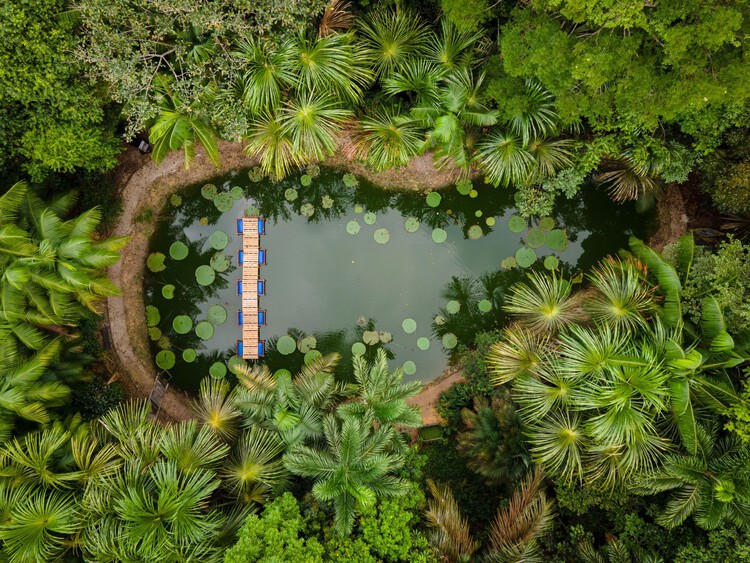
This article is part of the ongoing ArchDaily Topic: The Architecture of Water: Territories, Tensions & Transformations. Every month, the publication explores a critical architectural theme in depth through a curated series of original articles, exclusive interviews, breaking news, and innovative architecture projects from around the world. Readers are invited to learn more about the monthly topics and contribute their own insights, articles, or built projects by reaching out directly to the editorial team.