There is something inherently timeless about the foundational DNA of Mario Bros. When modern players hear the name Mario, their minds instantly drift toward his sprawling "super" adventures, courtesy of 1985’s landmark Super Mario Bros. But long before the plumber was stomping through fantasy kingdoms, breaking bricks, and rescuing princesses, he was working a much more blue-collar gig in a subterranean backroom, dealing with a relentless invasion spilling straight out of the sewers. Remarkably, that foundational arcade release—approaching its fourth decade—continues to offer a surprisingly brisk, engaging, and pure brand of entertainment that holds up remarkably well today.
Nintendo first unleashed Mario Bros. in arcades during the summer of 1983. The game finally gave a proper identity to the nameless hero first introduced in Donkey Kong, but just as importantly, it introduced his sibling, Luigi. That simple addition of a second player character was a masterstroke of arcade design, enabling cooperative two-player action that essentially doubled the potential revenue an arcade cabinet could collect from crowded rooms. In a very real sense, Luigi owes his entire existence to the economics of the golden age of arcade capitalism.
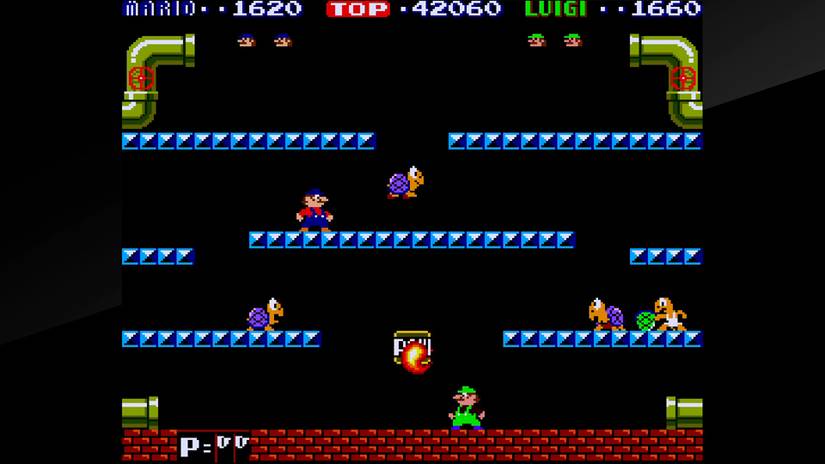
Gameplay-wise, Mario Bros. bears a striking mechanical resemblance to another arcade classic from that era, 1982’s Joust. Mario and Luigi run, jump, and navigate a series of multi-tiered platforms. Under normal circumstances, vertical movement wouldn’t be a source of constant peril; the characters are capable of surviving long drops without taking fall damage, especially when compared to Mario’s earlier, more restrictive outings. However, the stakes change the moment a player brushes against the various critters emerging from the pipes. Contact with these pests costs a plumber a life unless the enemy has first been struck from beneath—a mechanic that flips them onto their backs and renders them temporarily vulnerable.
Players begin their subterranean journey by battling simple turtles known as Shellcreepers, which plod along the platforms at a manageable pace. A single upward bop is all it takes to flip them over, though leaving them too long allows them to right themselves and speed up. As the stages progress, the difficulty scales through the introduction of new threats. Crabs require two distinct hits from below to neutralize, demanding more precise timing and positioning. Flies, the third enemy type to appear, introduce an entirely different rhythm to the stage. They take massive, slow leaps across the screen that players must carefully anticipate, as they are completely immune to attacks while airborne. Daring players can sometimes slide underneath a fly at the absolute peak of its jump, threading the needle for extra points and positioning.
Beyond the standard roster of biological hazards, stages are periodically disrupted by bouncing fireballs that materialize along the screen’s edges, actively interfering with the plumbers’ attempts to clear enemies and execute high-scoring combos. Some fireballs streak across the screen in predictable, straight-line trajectories, while others trace erratic, diagonal paths, rebounding unpredictably off platforms. Adding yet another layer of chaos is a moving ice block that occasionally spawns and slides across the ledges. If it is not quickly intercepted and shattered with an upward bop, it will permanently coat the platform in ice for the remainder of the stage, creating a slippery hazard that complicates every subsequent jump.

Scoring plays an integral role in the overall loop of Mario Bros., even granting extra lives during the early stages of a run. Players hunting for high scores can devise strategies to stun multiple enemies in close proximity to one another, scaling point values from a standard 800 points for the first downed foe up to 1,600 points for subsequent catches. Because later stages accelerate at a frantic pace, this scoring system introduces a constant tug-of-war between high-reward combos and the sheer risk of missing a jump.
Between select standard stages, brief bonus rounds offer a momentary reprieve by introducing floating coins. Players who manage to collect all of them within a strict time limit secure a massive point windfall. After the first few introductory bonus rounds, pulling this off effectively practically requires a two-player partnership, as the timing windows become remarkably tight. Coins also occasionally emerge from the pipes during standard gameplay at a rate of one per defeated enemy. By the time these late-stage bonuses appear, players are frequently juggling them while dodging a heavily enraged final enemy—a faster, more aggressive version of the standard foe that will gladly capitalize on a player’s distraction.
Following its initial arcade success, Nintendo licensed the game to other developers, leading to ports across a wide variety of personal computers and home consoles just as the video game industry navigated a period of severe market turmoil. Some ports were developed during this turbulent era but shelved due to shifting publishing priorities, while others managed to reach consumers on systems like the Apple IIe, providing many players with their very first introduction to the Mario franchise.
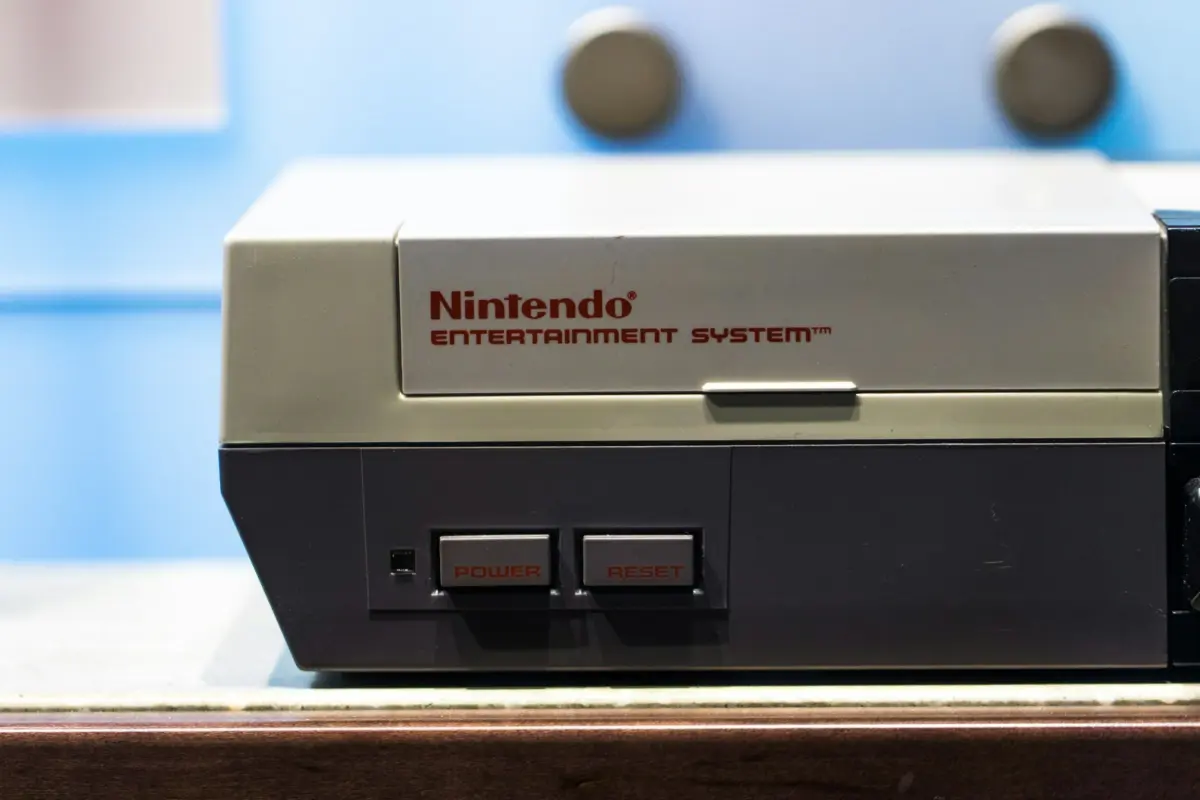
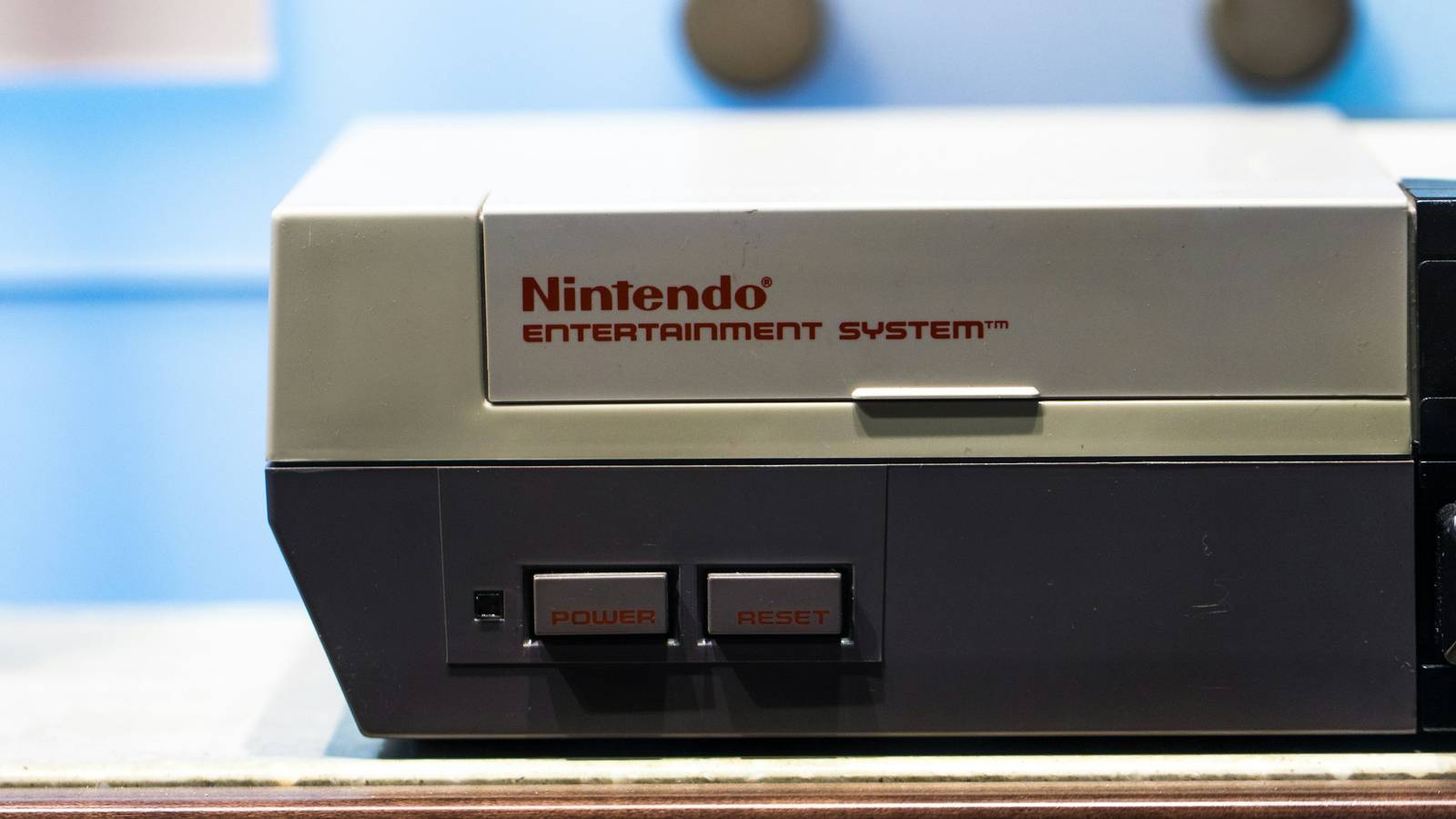
In 1986, an official NES port of Mario Bros. finally arrived in North America, developed by Intelligent Systems. For gamers of that generation, the home release offered exceptional value. Siblings and friends could sit side-by-side and enjoy direct cooperative action without having to wait through frustratingly long turns. The gameplay struck a delicate balance, offering enough mechanical twists to keep matches compelling without overwhelming the player, even if the later stages ramped up the difficulty considerably.
Today, Mario Bros. has experienced a quiet resurgence in accessibility thanks to platforms like Nintendo Switch Online. Because its mechanics are immediate and require virtually no explanation, players can jump into a quick match without wading through lengthy tutorials or sitting through recycled narrative cutscenes. The tight, responsive arcade design that transitioned so cleanly to the NES decades ago works just as effectively for bite-sized gaming sessions squeezed between modern, sprawling epics. It remains a natural introduction for younger children just beginning to find their footing in the medium—serving the exact same role it did four decades ago.
While Mario eventually left the underground plumbing trade behind for grander careers in kart racing, sports, and heroic fantasy rescues, his earliest days spent clearing out subterranean critters retain a distinct, enduring charm. For modern players, it remains the ultimate gaming palate cleanser—straightforward, challenging, and blissfully free of complications.