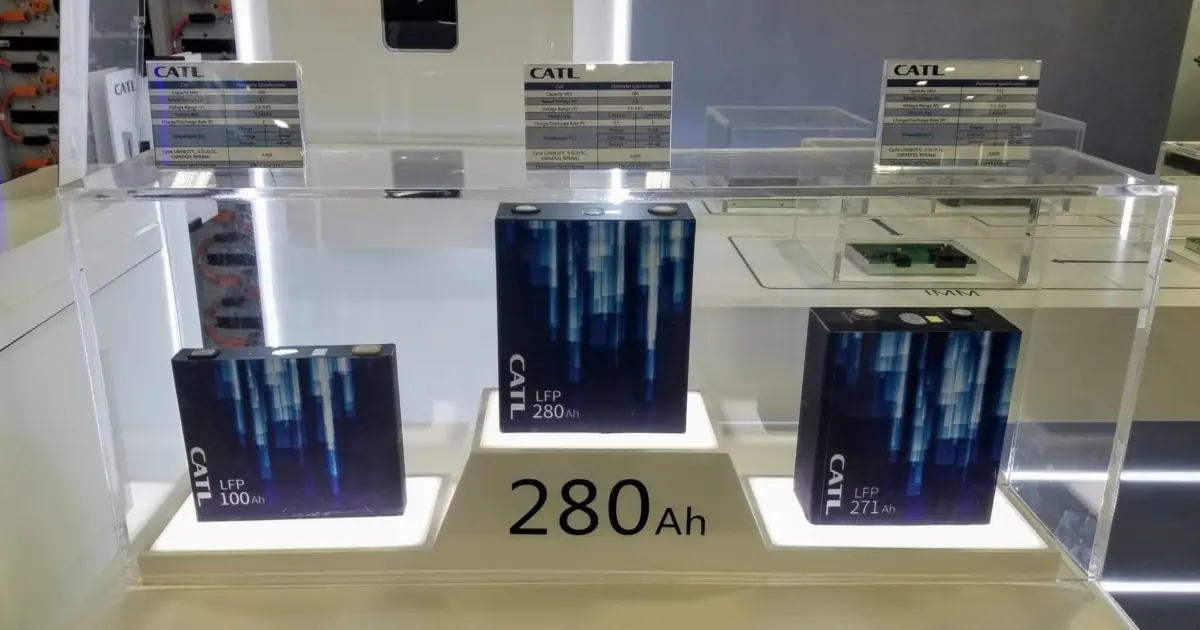
Something unusual is unfolding within China’s heavily controlled media landscape, and industry observers are struggling to pinpoint its exact meaning. Typically, the domestic media ecosystem in China operates with a remarkable degree of uniformity. Major news stories and industry developments are often covered with a consistent narrative across outlets, leaving little room for competing public storylines or open editorial friction. However, a distinct messaging war has recently begun to bubble up regarding Contemporary Amperex Technology Co. Limited—universally known as CATL—the undisputed giant of the global electric vehicle battery market.
Over the past week or so, headlines began to circulate suggesting a notable shift among automakers: car manufacturers were supposedly pulling back, diversifying away from their deep reliance on CATL’s massive battery supply network. For anyone who has tracked the trajectory of the electric vehicle and energy storage sectors over the past decade, this narrative feels like a dramatic plot twist. Veterans of the industry can vividly recall a time when CATL was not sitting comfortably at the top of global charts. In earlier years, the competitive field was crowded with formidable names such as LG Chem, Samsung SDI, SK Innovation, and domestic rival BYD, alongside several other emerging players.
Slowly but surely, CATL began to scale its operations, capturing increasingly massive supply contracts with prominent domestic and international automakers. Through aggressive technological innovation, massive manufacturing scale, and reliable execution, the company eventually climbed into the number one market position. From there, it steadily widened the gap between itself and its competitors. While the market stopped short of becoming a true monopoly, it long appeared as though no single entity could genuinely challenge CATL’s dominant market share or its tight grip on the supply chain.
Given this context, it came as a genuine surprise to see reports surface—originating from within China itself—detailing a deliberate commercial pivot away from the battery titan. Naturally, these reports raised immediate questions among market analysts. Had CATL simply become too dominant for its own good? Was the company flexing its market power in ways that made daily operations unnecessarily difficult for vehicle buyers and manufacturing partners?
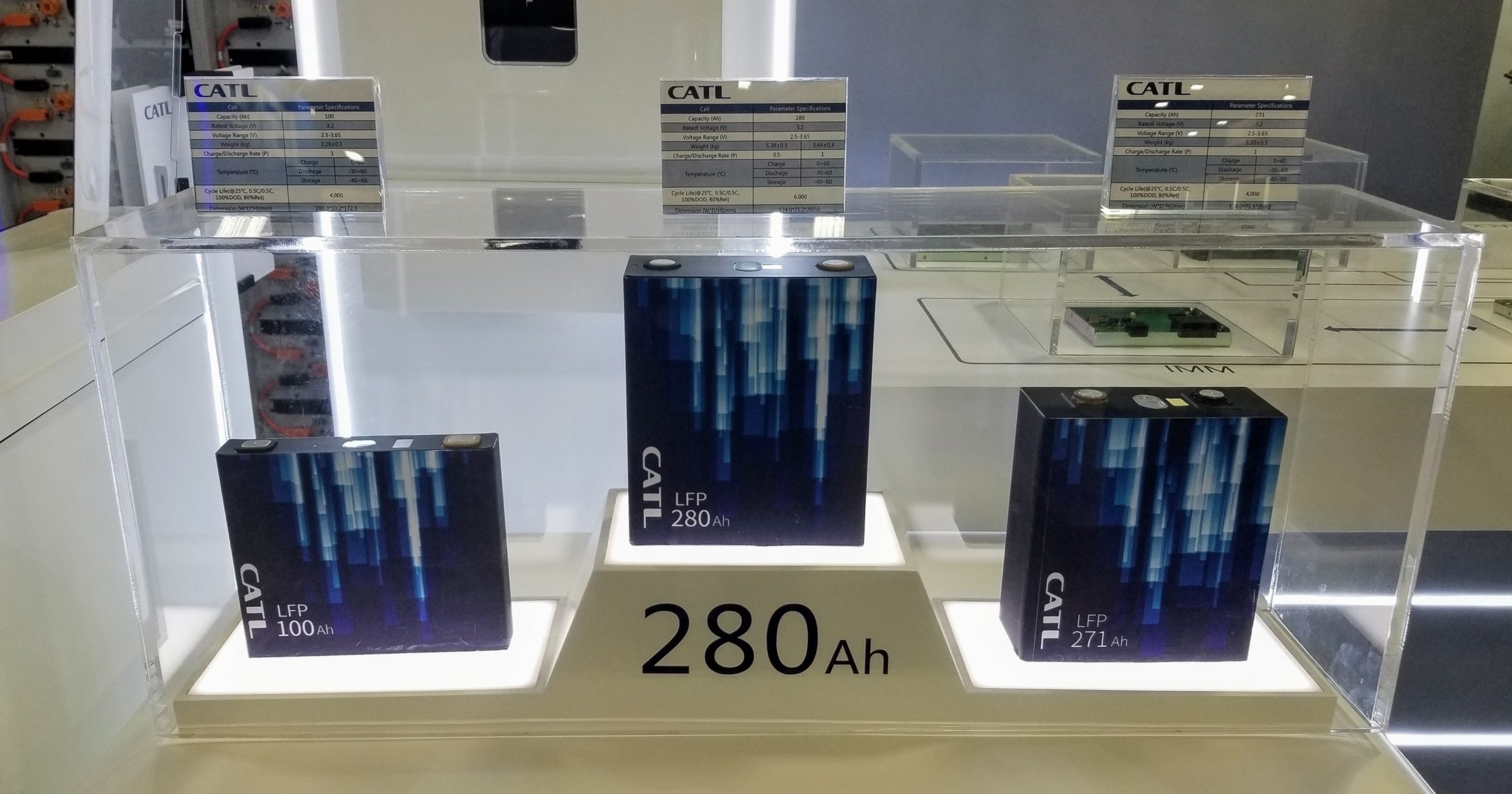
The plot thickened further when the state-backed media agency China Daily published a report pushing back aggressively against these narratives, labeling the widespread media hype as misguided, misleading, or outright wrong. According to the state-affiliated coverage, the entire discussion surrounding a concerted industry movement away from the battery giant is off base.
A Chinese media outlet affiliated with the Ministry of Industry and Information Technology—China’s top industrial regulator—published an article characterizing the recent buzz around "de-CATLization" in the country’s new energy vehicle industry as a "media farce." The commentary, distributed via a WeChat account run by the Ministry of Industry and Information Technology News and Publicity Center, argued that routine commercial adjustments are being blown entirely out of proportion.
According to the regulatory-affiliated publication, automakers adjusting their supply chains, onboarding secondary or tertiary suppliers, and investing in internal, in-house battery development programs represent entirely normal market behaviors. Yet, these standard corporate diversification strategies have been packaged under the sensationalized banner of "de-CATLization." This term has been used by commentators to describe efforts by carmakers to reduce their reliance on CATL, framing routine business decisions as a hostile confrontation between automakers and battery suppliers. For market watchers accustomed to reading between the lines of state-backed commentary, the intervention adds a layer of intrigue to an already complex industrial landscape.
Compounding the confusion is another distinct thread woven through the regulatory response: a pointed warning regarding the broader trajectory of battery pricing. The publication cautioned that a concurrent trend is taking shape, wherein aggressive price competition is spreading upstream through the entire industrial chain. It stressed that vehicle batteries are fundamentally different from ordinary, standardized automotive components. Unlike minor parts, traction batteries directly dictate vehicle safety, long-term reliability, operational lifespan, and the overall end-user experience.
Citing external research from NielsenIQ, the article noted that the vast majority of consumers worldwide are sophisticated enough to perceive technological and quality differences among various battery brands. For everyday buyers, the battery remains a primary purchasing factor. While cost reduction is an undeniable priority in the hyper-competitive new energy vehicle market, the commentary warned that low prices must never be equated with low costs—and, even more importantly, low prices must never come at the direct expense of product quality and safety.

This raises broader questions about the underlying intent of the state media intervention. Is the official agency attempting to signal that any commercial shifts away from CATL—which may not even be as dramatic as media reports suggest—should be evaluated with extreme caution and skepticism? The narrative appears to emphasize that the battery supply chain cannot afford a race to the bottom driven purely by cost cutting, because safety and quality margins are paramount.
For industry veterans, this line of reasoning strikes a familiar chord. It draws subtle parallels to earlier periods in the global electric vehicle transition, when market participants cautioned buyers against migrating away from established Korean battery suppliers toward newer alternatives, warning that Chinese options lacked equivalent track records for high-end quality and long-term durability. The tables have now turned, with domestic regulators seemingly stepping in to protect the reputation and standards of domestic champions against destructive price wars.
Whatever the precise motivations driving this recent wave of commentary, it is clear that a significant controversy is currently playing out behind the scenes in China. The debate touches on the core dynamics of the global battery industry, the future trajectory of CATL, and the delicate balance between aggressive market competition and rigorous quality control. Whether these conflicting narratives represent a fleeting media storm or a deeper regulatory warning shot remains to be seen, leaving analysts to parse every new headline out of Beijing.