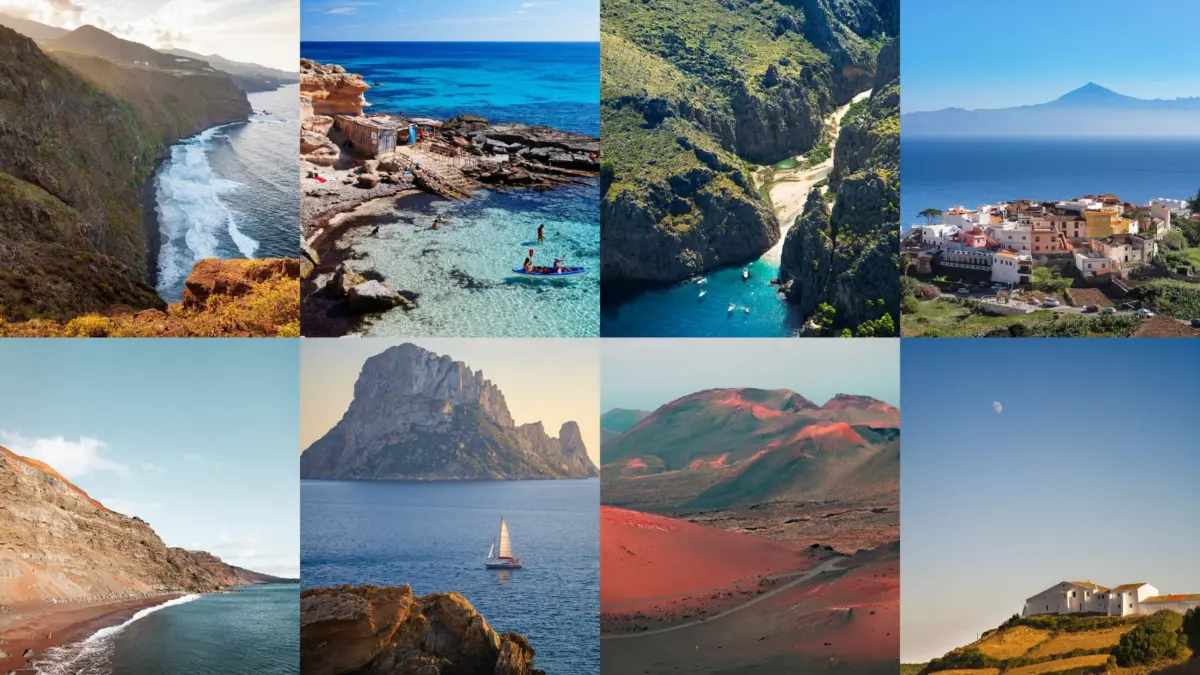
The Spanish archipelagoes, spanning the sun-drenched volcanic landscapes of the Canaries to the turquoise, pine-fringed bays of the Balearics, have long occupied a prestigious position in the global travel market. As the demand for high-end, experiential travel continues to evolve, the challenge for discerning travelers is no longer merely finding accommodation, but identifying the properties that define the standard of excellence within these diverse island chains. In response to this shifting landscape, industry experts and travel editors have refined their focus, moving beyond traditional star ratings to highlight a curated selection of properties that embody the soul, luxury, and cultural heritage of Spain’s island territories.
The significance of these selections lies in the complex identity of the Spanish islands. While the Balearic Islands—comprising Mallorca, Menorca, Ibiza, and Formentera—often serve as the benchmark for Mediterranean chic and historic preservation, the Canary Islands, located off the coast of Africa, offer a starkly different topography defined by dramatic craters, black sand beaches, and a unique microclimate that allows for year-round operation. A top-tier hotel in these regions is expected to do more than provide a bed; it must act as a gateway to the local environment, integrating regional gastronomy, sustainable architecture, and an authentic connection to the island’s history.
When examining the current state of luxury hospitality in these regions, several key themes emerge. The most successful properties are those that have pivoted toward "slow travel." This philosophy emphasizes a deep, meaningful engagement with the destination, favoring hotels that offer curated excursions, partnerships with local artisans, and culinary programs that source ingredients from the immediate vicinity. For the discerning traveler, the distinction between a generic luxury resort and a premier island hotel is increasingly found in these subtle, locally rooted details.
In Mallorca, the largest of the Balearic Islands, the focus has shifted toward the restoration of historic fincas and manor houses. These properties allow guests to experience the island’s agricultural past while enjoying modern, high-end amenities. The transformation of these rural estates into boutique hotels has preserved the architectural integrity of the Tramuntana mountain range, a UNESCO World Heritage site, while simultaneously elevating the island’s reputation as a destination for cultural tourism. By repurposing existing structures, these hotels manage to offer a sense of place that new, purpose-built resorts often struggle to replicate.

Conversely, the Canary Islands present a different set of opportunities for luxury development. Properties in Tenerife and Lanzarote, for instance, often lean into the volcanic nature of their surroundings. High-end hotels in these regions frequently utilize local materials like volcanic stone and basalt, creating structures that seem to emerge organically from the landscape. The architectural dialogue between the hotel and the stark, lunar-like environment of islands like Lanzarote—heavily influenced by the legacy of local icon César Manrique—is a critical factor in determining which hotels are worthy of an editor’s recommendation. These properties succeed because they do not fight the landscape, but rather frame it, turning the natural environment into the hotel’s primary feature.
The culinary component of these top-tier island hotels has also undergone a profound transformation. It is no longer sufficient to provide an international menu. Today’s premier Spanish island hotels prioritize "kilometer-zero" dining, where chefs work closely with local fishermen, farmers, and vineyard owners to ensure that the menu reflects the seasonal bounty of the island. In the Balearics, this means a focus on fresh seafood, sobrassada, and almond-based desserts, while in the Canaries, it involves highlighting indigenous crops like papas arrugadas and local cheeses that are specific to the volcanic soil. This culinary narrative is essential, as it connects the guest to the island’s economy and traditions, transforming a meal into a cultural experience.
Furthermore, the rise of wellness-focused tourism has compelled these hotels to rethink their service offerings. Beyond the standard spa facilities, the most reputable island hotels are now incorporating holistic wellness programs that utilize the island’s unique natural resources. Whether it is thalassotherapy using Mediterranean seawater, or spa treatments incorporating aloe vera from the Canaries, the integration of local wellness traditions has become a hallmark of excellence. This approach aligns with a broader global trend where travelers seek restorative experiences that are grounded in the specific healing traditions of the region they are visiting.
As these island destinations navigate the complexities of mass tourism, the importance of sustainability has moved to the forefront of the editorial conversation. The hotels that consistently earn a place at the top of these selections are those that have demonstrated a commitment to environmental stewardship. This includes everything from sophisticated water management systems—a necessity in arid island environments—to the elimination of single-use plastics and the implementation of renewable energy sources. Sustainability is no longer a luxury add-on; it is a fundamental requirement for any hotel aiming to be recognized as a leader in the field.

The selection process for these elite properties also involves a critical look at the quality of service. In an era where digital automation is becoming increasingly common, the "human touch" remains the most valuable commodity in the hospitality sector. The best island hotels are those where the staff possesses deep, intimate knowledge of the island and can provide bespoke recommendations that go beyond the guidebook. This personalized concierge service, combined with a discreet and anticipatory style of hospitality, remains the cornerstone of the luxury experience.
Looking ahead, the market for these top-tier island hotels appears robust, fueled by a renewed interest in Mediterranean and Atlantic travel. As travelers become more discerning, they are moving away from the "one-size-fits-all" model of tourism and toward hotels that offer a distinct, narrative-driven experience. The editors’ picks, therefore, act as a vital filter in a crowded marketplace, highlighting those establishments that manage to balance the demands of modern luxury with the preservation of the unique cultural and natural landscapes that make Spain’s islands so compelling.
Ultimately, the goal of these curations is to provide a roadmap for the sophisticated traveler who values quality, authenticity, and sustainability. By focusing on properties that respect their environment, honor their culinary heritage, and provide exemplary service, the industry is setting a new standard for what it means to visit the Spanish islands. These hotels are not merely places to stay; they are essential participants in the narrative of the islands themselves, contributing to the preservation of the history and the promotion of the unique identity that continues to draw visitors from across the globe. Whether situated on a rugged volcanic cliffside or tucked into a tranquil valley of olive groves, these establishments represent the best of what Spanish hospitality has to offer in the modern age.