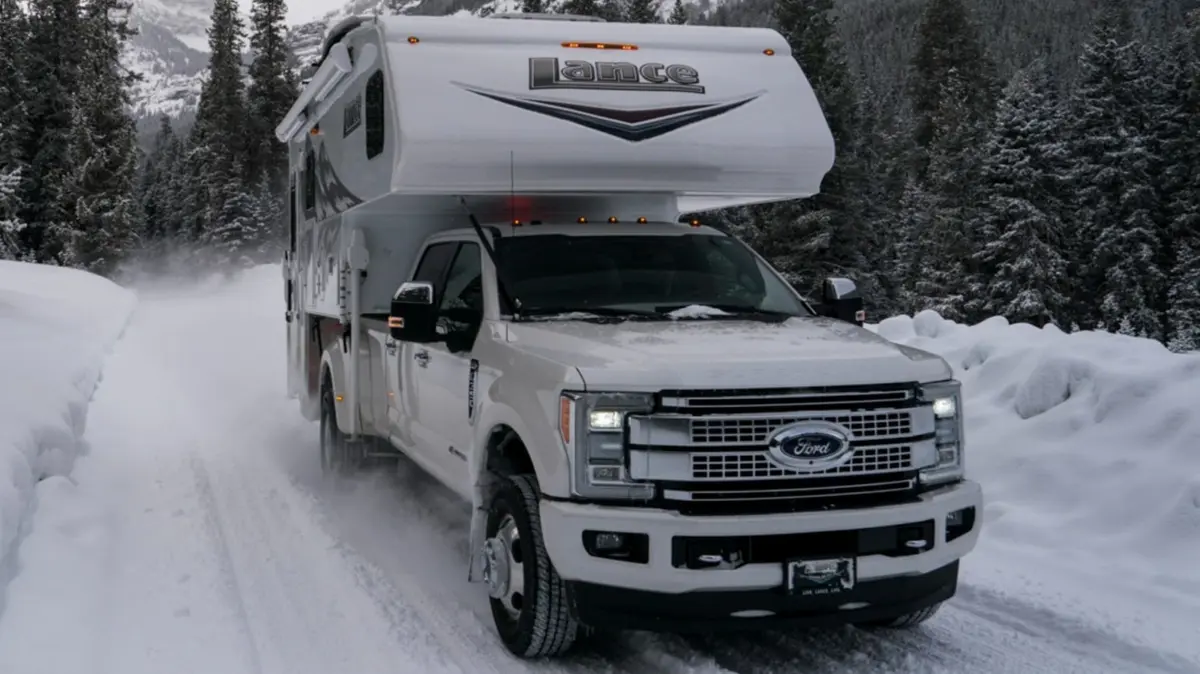
Life on the open road rarely resembles a perfectly paved, unobstructed highway. For anyone who has spent time behind the wheel of a recreational vehicle, the reality of travel quickly sets in through unexpected speed bumps, jarring potholes, and sudden shifts in weather that can turn a scenic drive into a test of endurance. Yet, the allure of the journey remains undiminished. For millions of travelers, the preferred vehicle for this lifestyle is a recreational vehicle—a category that encompasses everything from massive, self-contained motorhomes to various towable trailers, all falling under the broad advocacy of the Recreational Vehicle Industry Association (RVIA).
The modern RV market is vast, diverse, and constantly evolving to meet the unique demands of travelers. According to the RVIA, these vehicles represent a temporary combination of wheels and a homestead, though that definition is constantly challenged by contemporary travel movements. While the trade group emphasizes that RVs are fundamentally distinct from permanent housing, the explosive growth of the vanlife community and the popularity of compact custom campers tell a different story. One size decidedly does not fit all in the mobile living space.
Travel styles, camping preferences, financial constraints, and road trip companions all dictate the type of rig a traveler chooses. A solo nomad who intends to park in a remote location for an extended period has vastly different infrastructural needs than a family traveling with multiple pets on a seasonal holiday excursion. Regardless of the configuration, however, a mobile lodging unit must be adequately equipped to handle the elements, both inside and out. For those who demand true year-round flexibility and the freedom to travel whenever and wherever inspiration strikes, a standard setup may fall short, leading many to consider the specialized category of the four-season RV.
What defines a four-season RV?
Traditional recreational vehicles are predominantly designed as three-season models. These standard units are engineered to perform reliably during the generally mild and pleasant months of spring, summer, and fall. When winter arrives with its freezing temperatures and heavy snow, these conventional rigs are typically winterized and placed into storage until the following year. An all-season rig, by contrast, is engineered to withstand extreme freezes and volatile weather patterns.
Weather volatility is not limited to winter months or northern latitudes. Modern travelers frequently encounter indiscriminate climates where multiple seasons seem to manifest in a single day, such as the unpredictable transition periods in the Midwest or the harsh, dusty environments of major outdoor gatherings like the Playa at Burning Man. Preparing for this mercurial madness requires a vehicle capable of maintaining internal stability regardless of external conditions.
Despite the seemingly endless classifications of RV types recognized across the industry, an official designation for a four-season RV does not actually exist. According to insights from RVShare, there is no standardized industry benchmark or regulatory definition that dictates precisely what constitutes an all-season road warrior. Consequently, prospective buyers will not find a universal certification label. Instead, travelers seeking true cold-weather capability either purchase models specifically marketed with winter-rated features or retrofit existing units to enhance their thermal performance.
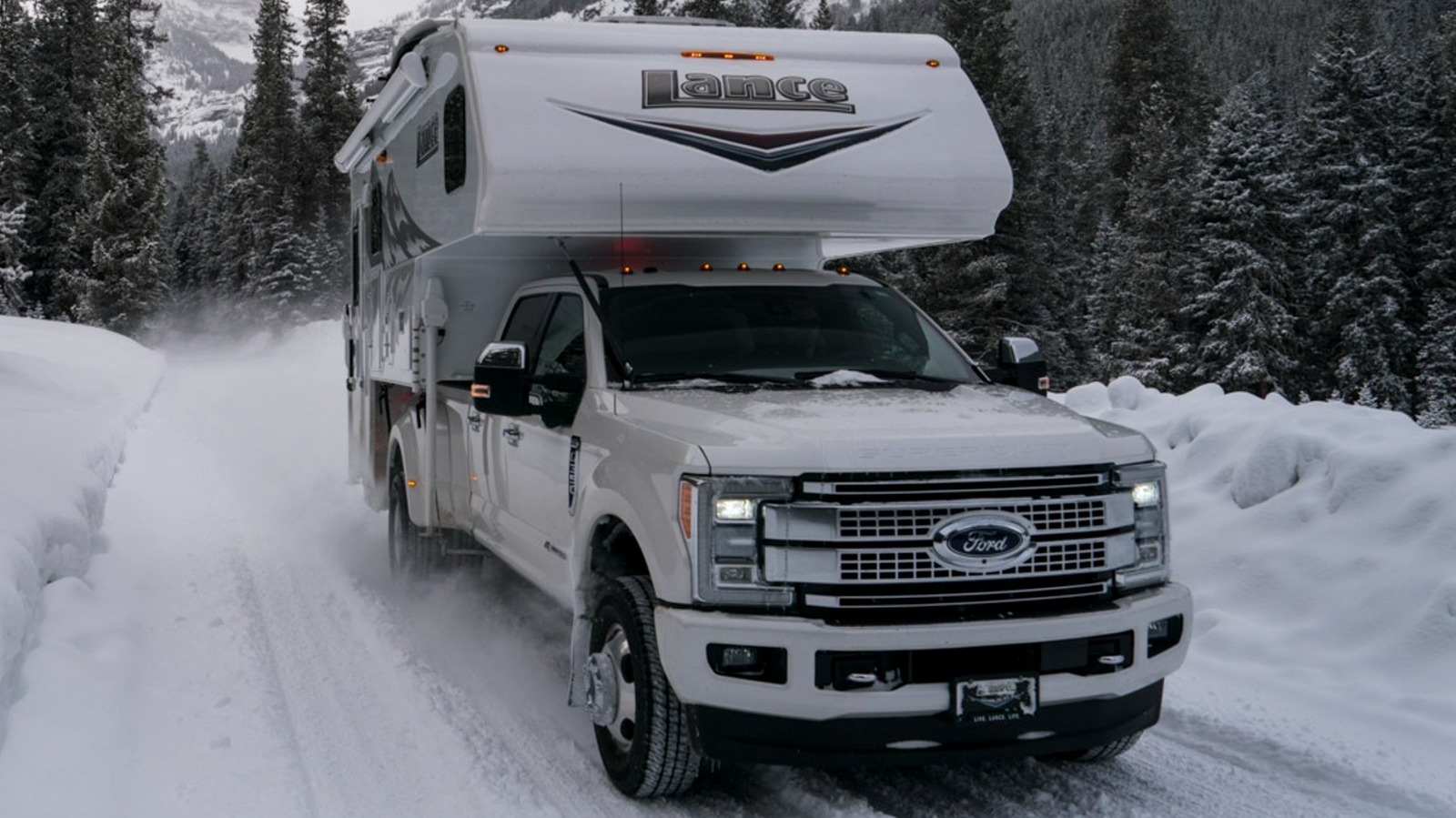
Although official guidelines are absent, a strong consensus exists among industry experts and experienced enthusiasts regarding the essential elements of vehicle preparedness. The most critical areas requiring fortification include the insulation systems, heating, ventilation, and air conditioning (HVAC) units, plumbing infrastructure, and windows. Without robust engineering in these specific domains, an RV quickly becomes uninhabitable when temperatures plummet.
The foundation of any cold-weather capability lies in thermal retention. Installing heavy-duty insulated panels is paramount for keeping interior heat trapped inside while aggressively fending off sub-freezing exterior air. This protective measure must extend to vulnerable infrastructure, including any exposed plumbing pipes and holding tanks that are prone to bursting if the water inside expands as it freezes. To combat this, RV skirting has emerged as a popular and effective temporary solution. By wrapping a durable protective cover around the entire perimeter of the lower base of the vehicle, skirting creates an enclosed dead-air space beneath the chassis, effectively shielding the undercarriage from biting arctic winds.
However, advanced insulation alone is rarely sufficient for standard climate control systems to maintain a comfortable cabin temperature. Many four-season configurations incorporate heavy-duty propane or diesel furnaces, or even electric fireplaces, to combat severe cold. According to analysis from RV Trader, electric-powered heat pumps serve as a viable alternative for travelers looking to minimize their reliance on propane while managing internal temperatures. Additionally, double-pane windows are considered a mandatory feature to drastically reduce heat transfer through glass surfaces. To provide an extra layer of security for the plumbing system, utilizing RV-specific antifreeze in the holding tanks during freezing conditions helps prevent costly and damaging line failures.
Who is a four-season RV for?
The market for recreational vehicles has experienced significant cultural and economic growth in recent years. Data from 2025 indicates that approximately 8.1 million households in the United States owned an RV, with an additional 16.9 million expressing a serious interest in purchasing a unit within the next five years. These figures represent direct ownership alone and do not capture the substantial population of travelers who rent or borrow rigs for their trips. Winter travel, in particular, has maintained a dedicated following. During the 2025 holiday season, an estimated 28 million Americans made concrete plans to hit the road in an RV, highlighting a steady upward trend in winter excursions. Whether the goal is to visit extended family or find a quiet escape, RV travel remains a dominant fixture of American mobility, even when the weather outside turns bitterly cold.
This widespread enthusiasm raises a fundamental question for prospective buyers: Is a specialized four-season RV actually necessary? While a heavily fortified vehicle offers undeniable advantages by keeping the interior cozy during both extreme summer heatwaves and frostbite-inducing winter cold snaps, the practical reality of how RVs are utilized tells a more modest story.
According to comprehensive demographic data from a Go RVing owner profile survey, the median number of days an RV is used annually is just 30 days. This statistic indicates that the typical ownership experience revolves around extended holiday vacations or a series of weekend getaways spread throughout the year. Unless a traveler is planning full-time residency inside the vehicle or is a dedicated camping enthusiast who genuinely travels year-round across diverse and demanding climates, a standard three-season RV remains more than adequate for the vast majority of road trippers.