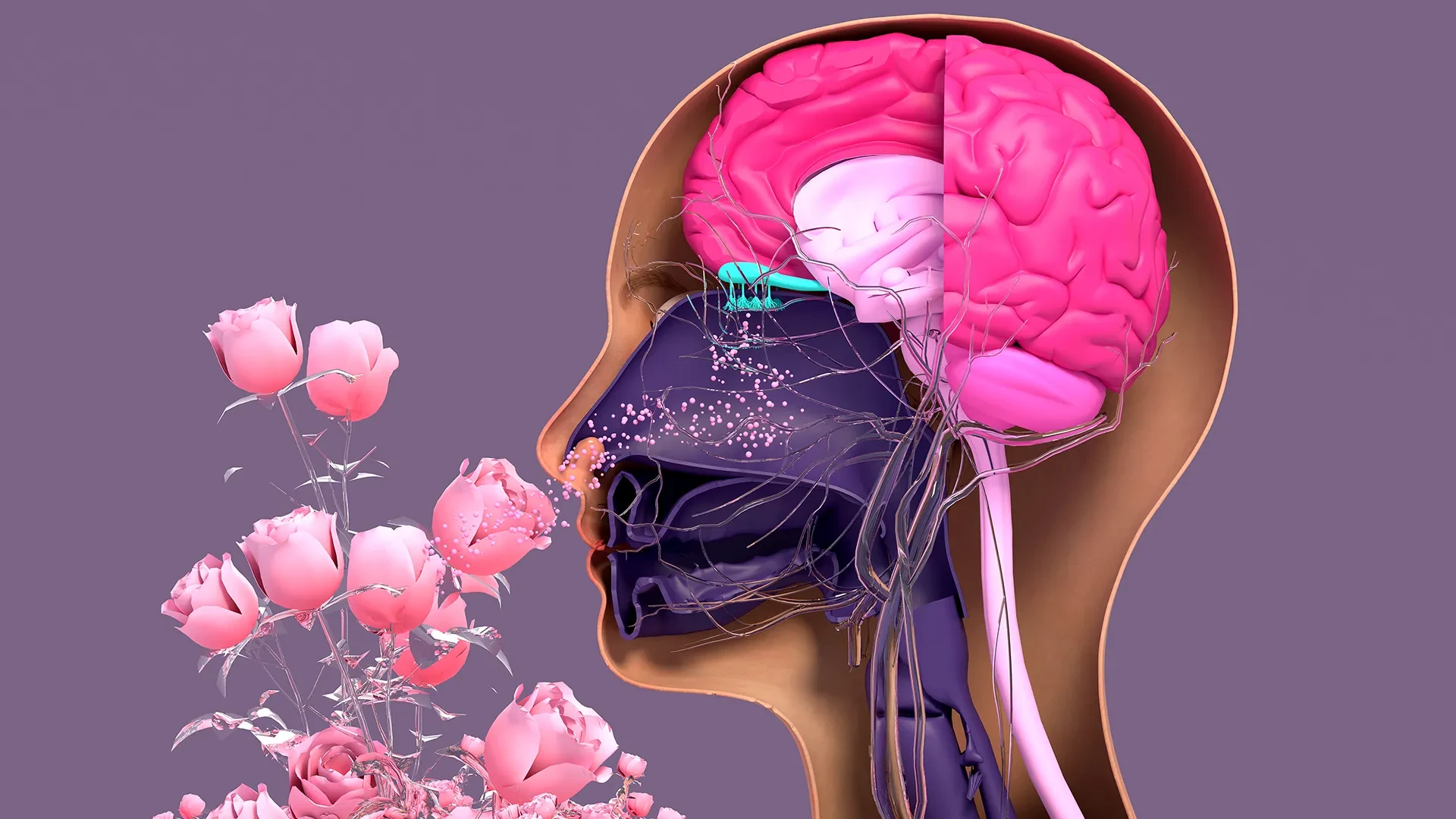
In a breakthrough for sensory biology, researchers at the Tufts University School of Medicine and the Graduate School of Biomedical Sciences (GSBS) have unlocked new insights into how the human nose maintains its ability to detect scents. By developing an innovative, three-dimensional model to study nasal tissue regeneration, the team has discovered that a specific type of stem cell, long assumed to be largely dormant, actually plays a fundamental role in preserving the sense of smell.
This finding, recently published in the journal Cell Reports Methods, challenges previous assumptions about the cellular hierarchy of the olfactory system. It also provides a promising new pathway for scientists to investigate why the sense of smell—often called olfaction—diminishes as a result of viral infections, environmental toxins, or the natural progression of aging.
The Regenerative Power of the Olfactory System
The sensory neurons in the nasal cavity are unique in the human body. Unlike the neurons found in the central nervous system, which have notoriously limited regenerative capabilities, olfactory sensory neurons possess a remarkable, lifelong ability to replicate. This continuous renewal is essential, as these cells are frequently exposed to the harsh, unpredictable external environment, including pathogens, irritants, and chemical pollutants.
However, this resilience is not invincible. Conditions such as COVID-19, long-term exposure to toxic substances, and the inevitable physiological changes associated with aging can impair these cells or hinder their ability to divide and regenerate. When this biological maintenance process falters, the result is often a partial or total loss of smell, a condition that significantly impacts a person’s quality of life, nutritional intake, and emotional well-being.
To better understand the mechanisms behind this decline, the Tufts research team, led by senior author Brian Lin, a research assistant professor in the Department of Developmental, Molecular and Chemical Biology, developed a simplified, three-dimensional olfactory tissue mouse model. Known as an organoid, this miniature, laboratory-grown tissue structure mimics the complex environment of the nose, allowing scientists to observe in real-time how neurons are formed and where the regenerative process might go awry.
Interdependent Stem Cell Communication
The study focused on the interplay between two distinct populations of stem cells residing in the nasal epithelium: horizontal basal cells (HBCs) and globose basal cells (GBCs). Traditionally, the scientific community viewed GBCs as the primary workhorses responsible for the rapid production of new neurons. Conversely, HBCs were largely characterized as a "reserve" population, remaining quiescent or dormant unless triggered by severe injury.
The research conducted at Tufts suggests a more nuanced reality. "Our research suggests that these two stem cells may be interdependent," Lin explains. "One type that we thought was largely dormant—HBCs—may actually play a crucial role in supporting the production of new neurons and the repair of damaged tissue."
By utilizing their 3D organoid model, the team identified a specific subpopulation of HBCs, defined by their expression of the protein KRT5. These cells do not merely wait on the sidelines; they actively participate in the development of new smell-sensing nerve tissue. The researchers demonstrated this dependency by selectively depleting these KRT5-expressing HBCs from the organoid cultures. The result was a significant impairment in the generation of new olfactory neurons, confirming that these cells are essential, active participants in the regenerative cycle rather than mere backup units.
Furthermore, the team explored how these processes evolve over time. By cultivating cells taken from mice of varying ages, they observed a distinct decline in the capacity to generate new neurons in older samples. The researchers hypothesize that this decline is linked to a reduction in the GBC population as the organism ages, though they emphasize that further studies are necessary to confirm this mechanism and to explore potential therapeutic strategies to "rejuvenate" these aging cell populations.
A Democratized Research Model
A notable aspect of the study is the focus on accessibility. Lead author Juliana Gutschow Gameiro, a former visiting Ph.D. student at GSBS from the State University of Londrina in Brazil, worked to ensure the organoid model was efficient and cost-effective. Given the global rise in interest regarding olfactory health—spurred by the widespread loss of smell associated with the COVID-19 pandemic and its link to neurodegenerative conditions like Parkinson’s disease—there is an urgent need for research tools that are not confined to high-budget, specialized laboratories.
"We wanted to develop an easy-to-use model so that non-stem cell biologists and those working in labs with limited resources could use it to better understand how olfactory neurons regenerate and what happens that causes that process to diminish or fail completely," Lin notes. By creating a system that is both technically accessible and physiologically representative, the team hopes to catalyze a broader international effort to solve the mysteries of smell loss.
Toward Clinical Application: The Human Organoid
The successful development of the mouse-tissue model is viewed by the team as a critical proof-of-concept. The ultimate goal for the Tufts researchers is to translate these findings into a human organoid model. Such a model would represent a significant leap forward in pre-clinical research, offering a platform to screen pharmaceutical compounds and potential treatments for patients suffering from anosmia (the loss of smell) or hyposmia (a reduced ability to smell).
Organoids offer a more effective, ethical, and cost-efficient alternative to the use of animal models or standard two-dimensional human cell cultures. While organoid technology has already been successfully applied to study the biology of the lungs, kidneys, and other major organs, olfactory tissue has proven particularly difficult to isolate.
"It’s challenging to get pure olfactory tissue from humans," Lin explains. The current clinical method for collecting these cells involves using a specialized brush—similar to those used in COVID-19 testing—to sample the deep nasal cavity while the patient is under anesthesia. The primary technical hurdle is that these samples contain a mixture of both respiratory and olfactory stem cells, which are notoriously difficult to distinguish and separate once collected.
As the team looks to the future, their next major challenge is to refine a simple, inexpensive technique for isolating human olfactory stem cells and successfully coaxing them to thrive in a laboratory environment. If successful, this research could pave the way for regenerative medicine strategies that restore the sense of smell for millions of people worldwide, turning a once-overlooked area of sensory biology into a new frontier for therapeutic intervention.