In the dynamic world of advanced driver-assistance systems, few comparisons are as eagerly anticipated as putting leading autonomous software head-to-head on the exact same challenging roads. Following a comprehensive look at XPENG’s VLA 2.0 system navigating the complex, bicycle-choked streets of Amsterdam, attention turns to Tesla’s Full Self-Driving (FSD) software running on the same urban test loop. While FSD has become a common sight across many parts of the United States, its deployment globally remains heavily regulated. It has not yet received approval in China—where XPENG’s VLA 2.0 currently operates—and has only recently gained regulatory ground in Europe, starting in the Netherlands before cautiously expanding into select neighboring nations. Because XPENG was actively testing its VLA 2.0 system in Amsterdam, it provided a rare, back-to-back opportunity to evaluate how two completely different autonomous philosophies handle the same grueling urban environment.
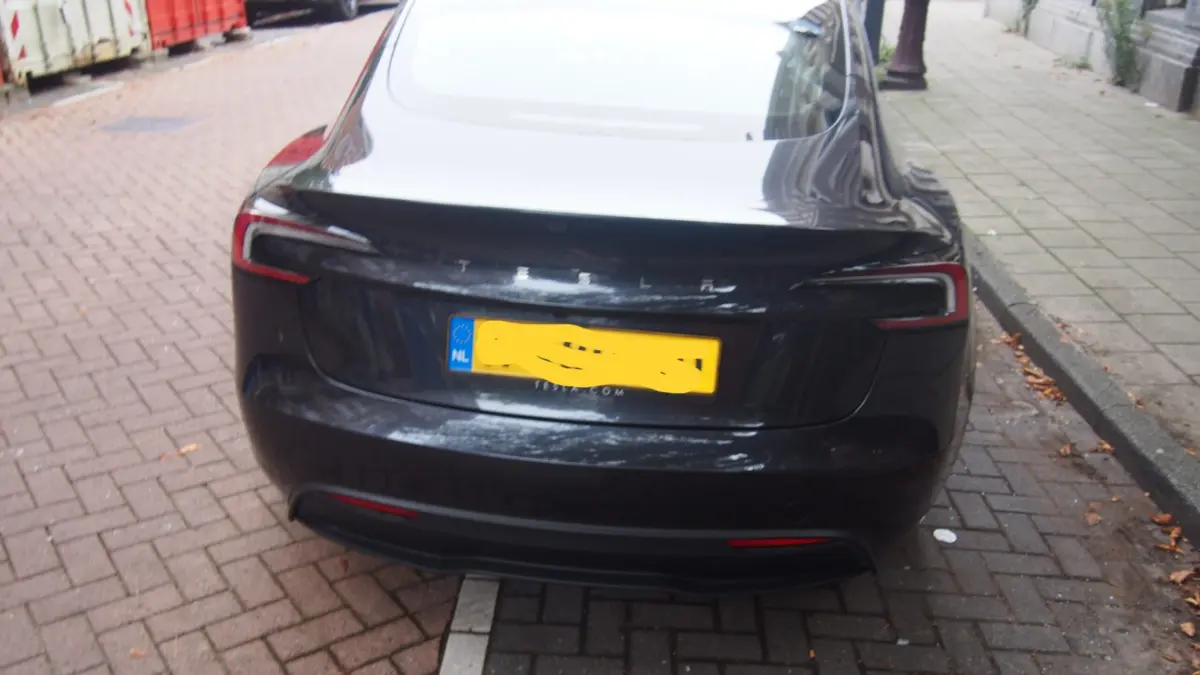
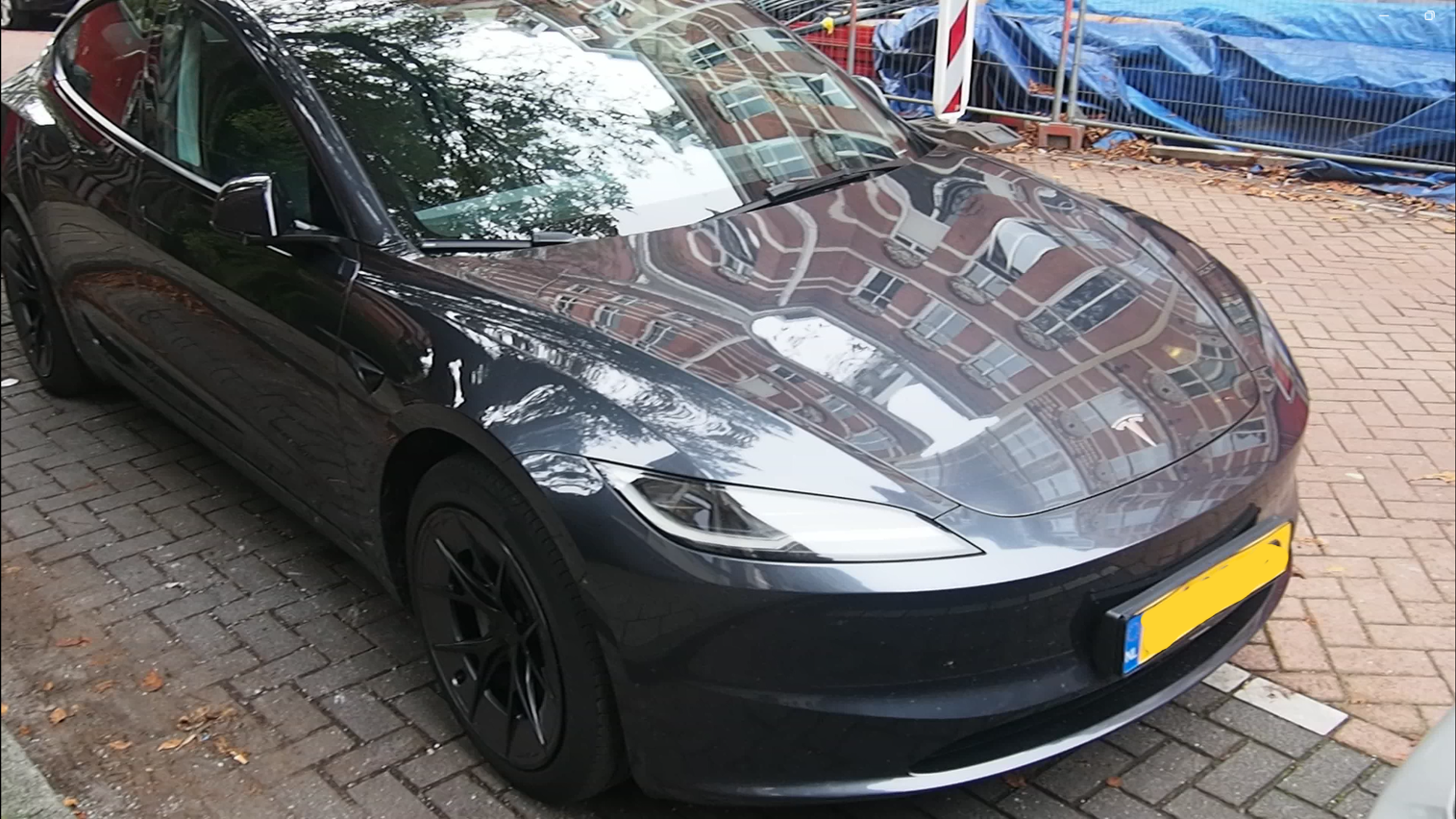
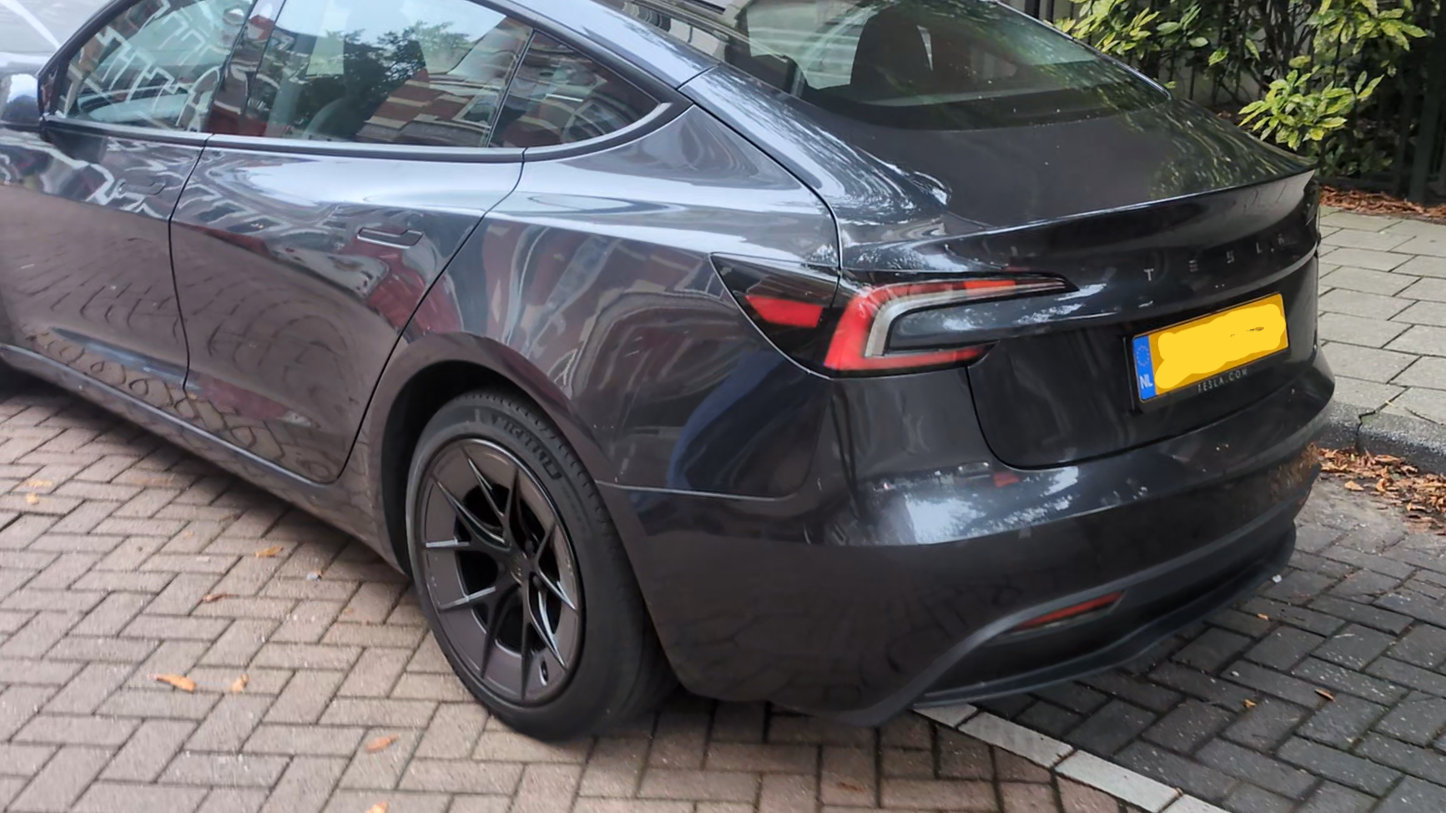
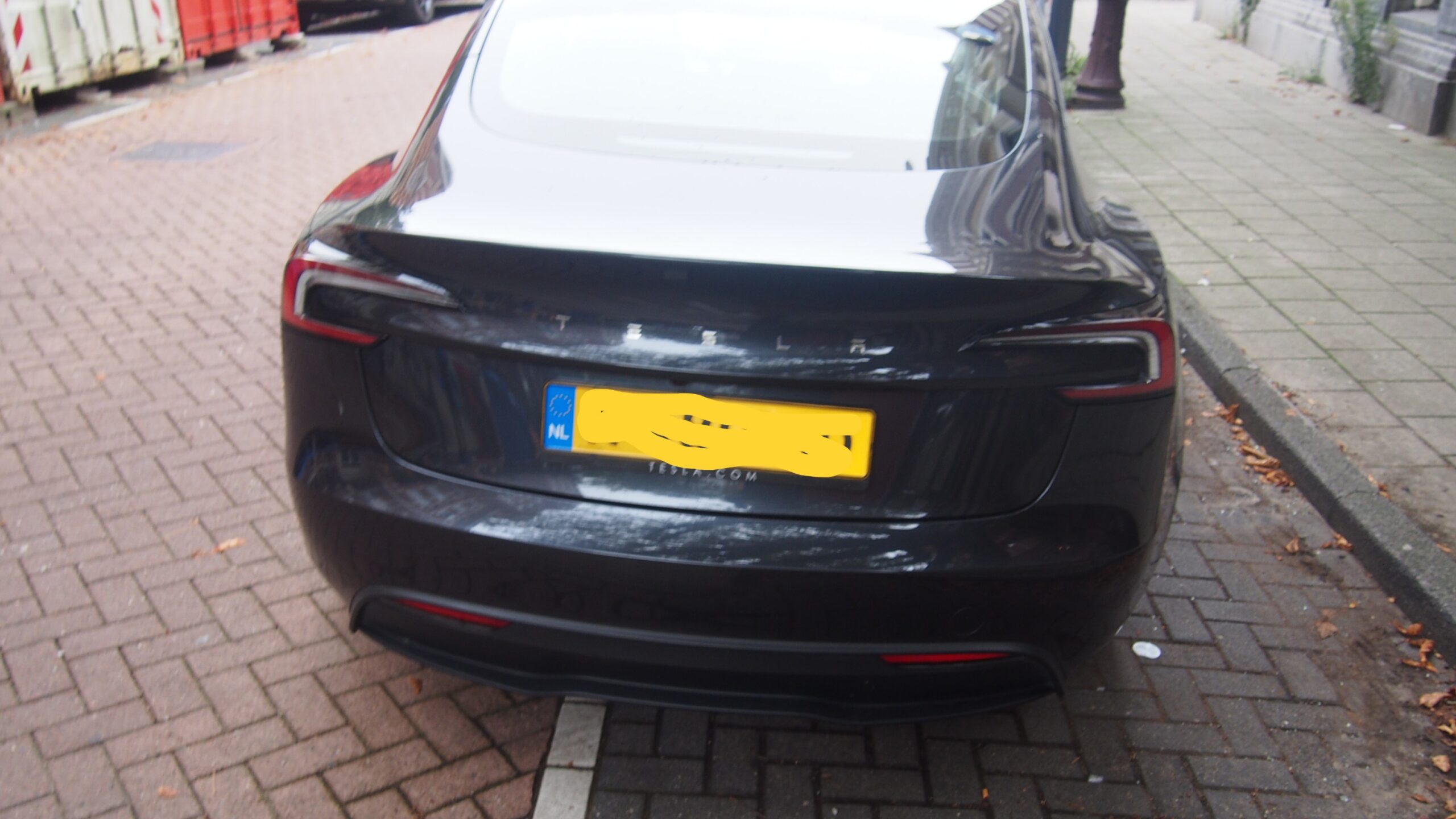
The vehicle utilized for the test was a sleek, black Tesla Model 3 Highland, produced at Tesla’s Shanghai gigafactory for the European market and notable for lacking a traditional turn signal stalk. Running the latest iteration of FSD powered by Tesla’s Hardware 4 (HW4) suite, the car was a standard customer-owned vehicle kindly lent to XPENG by its owner rather than a specially prepared manufacturer prototype. Because Teslas enjoy robust popularity throughout the Netherlands, the Model 3 blended seamlessly into the local traffic flow.
Due to minor camera recording difficulties during the initial run, the test loop was completed twice in the Tesla, a fortunate mishap that allowed for consistency. The same driver who participated in the earlier XPENG L03 test accompanied the second Tesla run, providing an invaluable constant regarding driver risk tolerance and subjective evaluation. Much like the XPENG evaluation, the test vehicle faced demanding urban conditions far exceeding what the vast majority of motorists encounter on typical American roadways, including a massive proliferation of cyclists, dense tram lines, unpredictable pedestrians, and intricate historic European traffic patterns. However, because the Tesla evaluations occurred somewhat later in the day, overall traffic density had subsided noticeably, offering a slightly altered traffic dynamic.
FSD: React and Correct
The overriding behavioral theme observed during the Tesla FSD test loop can be best described as a continuous cycle of reacting and correcting. When the system detected an oncoming bicycle at a distance, its immediate response was to react by braking abruptly, only to resume forward motion once it had calculated sufficient time to complete the maneuver. Throughout this process, the software tended to maintain a significantly larger safety gap. While this hyper-cautious approach might theoretically be interpreted as a safer design choice, it frequently created secondary traffic complications.
On one occasion, the vehicle executed a sharp stop directly in the middle of a dedicated bike lane to yield to a distant oncoming cyclist, remaining stationary long enough to inadvertently block another bicycle approaching from the opposite direction. In another instance, the Tesla came to a complete halt at a green traffic light because a pedestrian was approaching the intersection without actually entering the roadway. By the time the FSD logic processed the situation and decided to move, the traffic signal had transitioned from green to red. Similar overly cautious behaviors occurred when the vehicle stopped abruptly for individuals approaching changing lights, or hesitated on amber signals when a safe clearance through the intersection was entirely feasible.
These hesitant and erratic responses had tangible consequences on surrounding human drivers. Out of all the vehicles tested on the circuit, only the Tesla drew audible honks from frustrated motorists and local road users. These reactions stemmed directly from unpredictable maneuvers at intersections where excessive caution brought traffic flow to a grinding halt. On one notable occasion, the car stopped dead in the middle of a major roadway, effectively blocking a crucial tram line and multiple lanes of active traffic. During the first lap, a waypoint directive caused the car to stall completely in the middle of a side-street intersection, refusing to re-engage autonomously.
Lane selection proved to be another persistent hurdle for the software. On multiple occasions, the Model 3 initiated turns from completely incorrect lanes. During one maneuver, it erroneously slipped into a right-turn lane when the intended route required a left turn, forcing the human driver to take manual control and redirect the vehicle back to the proper path.
This reactive philosophy extended directly to steering dynamics. Early in the first lap, the system failed to identify a concrete median early enough, requiring a sharp, sudden corrective steering adjustment mid-turn. Even during low-speed urban maneuvers, the steering wheel frequently adjusted in abrupt micro-movements—turning, correcting, turning, and correcting again. While such quirks might seem minor when observing FSD in isolation, the contrast became starkly apparent immediately after experiencing XPENG’s smoother VLA 2.0 system. During these rapid corrections, the tires could be felt slipping slightly on the slick, rain-wetted Amsterdam brickwork, hinting that a test in true winter conditions involving snow or ice would provide fascinating data on low-traction performance.
The "react and correct" paradigm carries inherent risks. While hard braking for a distant cyclist prioritizes that specific road user, trailing human drivers operating behind the Tesla cannot reasonably anticipate such sudden deceleration. The resulting risk of a rear-end collision, though legally attributed to the trailing vehicle, remains a very real hazard of overly defensive automation.
Acceleration profiles similarly lacked fluidity. Rather than applying a steady, predictable throttle curve, the vehicle frequently hesitated before surging forward from a standstill, only to quickly back off and modulate speed awkwardly. The overall ride comfort suffered as a result. Although exact timing was not measured, the car likely did not achieve desired speeds any faster overall; instead, it delayed its departure, accelerated aggressively, and then slowed down, creating a jerky transit experience. Additionally, the system occasionally accelerated beyond local speed limits based on user configurations—a feature likely constrained over time in Europe due to stricter United Nations DCAS regulations, which also mandate continuous hands-on steering control during urban operation.
As the afternoon progressed and urban congestion thinned out, the vehicle’s performance shifted noticeably. On more open stretches with fewer immediate obstacles, the Tesla felt considerably more comfortable, smooth, and composed. Amsterdam represents an extreme stress test for autonomous software; in less chaotic driving environments with open layouts, such as suburban or grid-style American cities, FSD operates with significantly higher competence. Indeed, the software version tested demonstrated marked improvements compared to earlier iterations evaluated in the United States months prior.
Autonomous parking presented another boundary where technology met its match. The Tesla struggled significantly when attempting to enter or exit tight street-side parking spaces characteristic of Amsterdam’s historic layout, requiring human intervention every time. In one attempt, the system signaled that a self-parking maneuver had successfully concluded while the vehicle was still partially protruding into active traffic, necessitating immediate manual correction to bring it flush with the curb. Such spatial constraints are far less problematic in North America, where parking stalls tend to be substantially more generous.
Navigating extremely tight clearances around stationary obstacles highlighted both the capability and the fragility of the system. The Tesla successfully maneuvered around road obstructions with mere inches to spare, but the process was agonizingly slow and punctuated by numerous halting corrections. While patience yielded success, the prospect of an autonomous system getting halfway through a tight squeeze and abruptly giving up presents a daunting challenge for human supervisors attempting to reclaim control, especially in an unfamiliar vehicle where judging vehicle extremities can be difficult.
Waypoint navigation proved equally problematic. The system frequently missed designated waypoints, triggering clumsy attempts to turn around and re-route. In one instance, after missing a waypoint, the car drove around the block, missed it a second time, and attempted to route down an entirely separate street loop. The human driver ultimately intervened, cleared the waypoint, and manually re-engaged FSD once the car was pointed in the correct direction. Another waypoint caused the vehicle to stop mid-roadway and block traffic; once deleted, the software hesitated before resuming motion. While everyday motorists rarely rely on complex waypoint systems for standard urban commutes, advanced autonomy requires seamless point-to-point reliability to be truly functional.
Construction zones presented similar operational anomalies. Roadwork roadblocks occasionally caused the vehicle to execute incorrect paths, requiring immediate disengagement. In one memorable instance, the car mounted a curb to drive around a stationary obstruction, placing the vehicle in the wrong lane for an extended distance. It was forced to wait for a gap in the curb barrier to safely return to the correct side of the road, miraculously passing an oncoming police cruiser in the process without drawing a citation.
Conversely, there were moments of genuine capability. In one scenario, the Tesla actively reversed its position to accommodate oncoming heavy construction equipment—a maneuver that proved genuinely impressive. The ability to reverse independently will be vital for narrow, single-lane European roads, such as those found in rural Greece, a capability that rival systems like XPENG’s L03 prototype had not yet activated.

Ultimately, experiencing FSD in Amsterdam felt akin to watching a driver from America’s heartland attempt to navigate one of the world’s most intricate urban networks. Amsterdam’s traffic ecosystem is substantially more complicated than Manhattan’s grid system, let alone lower-density hubs like Austin. The software functioned with understandable nervousness and excessive caution, struggling to fully internalize the chaotic nuances of European street architecture. Placed within a different framework and road topology, the system naturally projects much higher confidence.