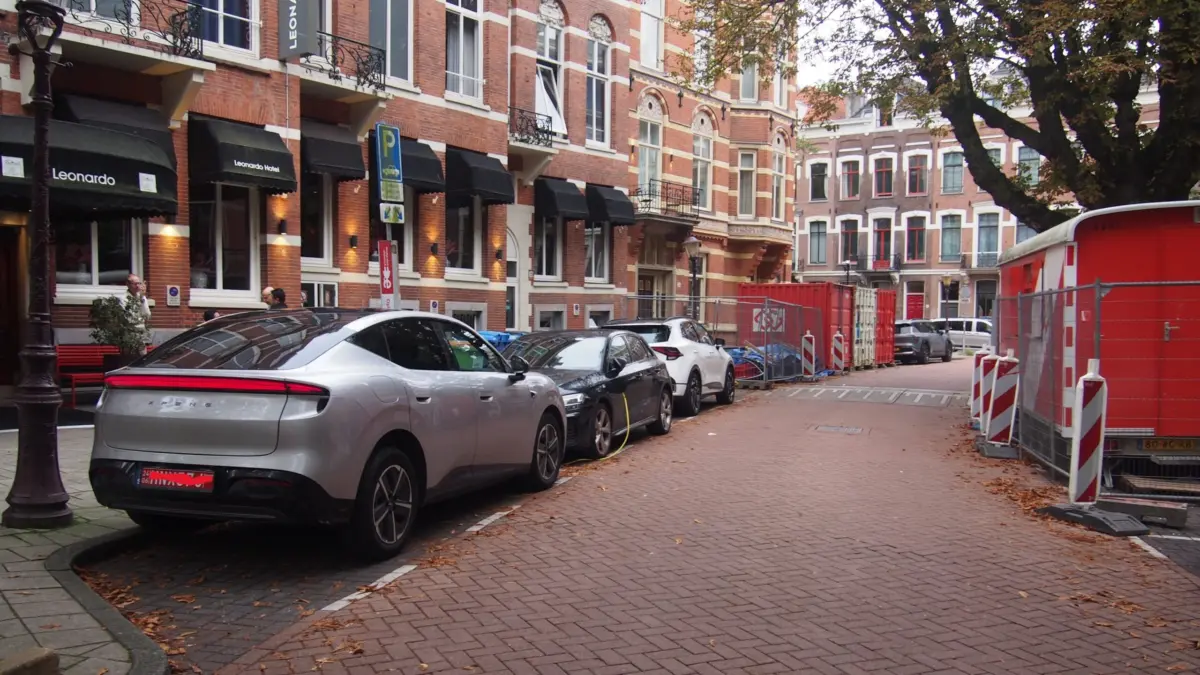
When evaluating modern electric vehicles, intelligent driving systems often dominate the conversation. However, these advanced artificial intelligence architectures operate as part of a much larger ecosystem, constantly interacting with a vehicle’s mechanical attributes, cabin ergonomics, and chassis dynamics. A recent back-to-back testing session in the demanding urban environment of Amsterdam provided a unique opportunity to look beyond the software code. Putting the XPENG L03 equipped with VLA 2.0 and the Tesla Model 3 with Full Self-Driving (FSD) through their paces reveals that the differences between these modern electric vehicles extend far beyond their autonomous capabilities.
Road dynamics offer an immediate point of contrast. Overall, the Tesla suspension feels somewhat more detached yet notably harsher over surface imperfections. Drivers can sense the road surface and tire behavior more intuitively in the XPENG, which features a chassis tune specifically optimized for European roads. Potholes and sharp bumps translate into harsher impacts inside the Tesla, with the suspension noticeably bottoming out on at least one occasion during testing.
An apt analogy compares the XPENG’s ride quality to a leather-wrapped cushion—possessing a textured surface feel while remaining exceptionally soft when absorbing heavy impacts. Meanwhile, the Tesla resembles a felt-covered piece of plastic, offering a deceptive initial softness that yields a sharper, more punishing jolt when striking deep bumps. Naturally, how each intelligent driving system interacts with road hazards influences these impressions, but the hardware tuning divergence is clear.
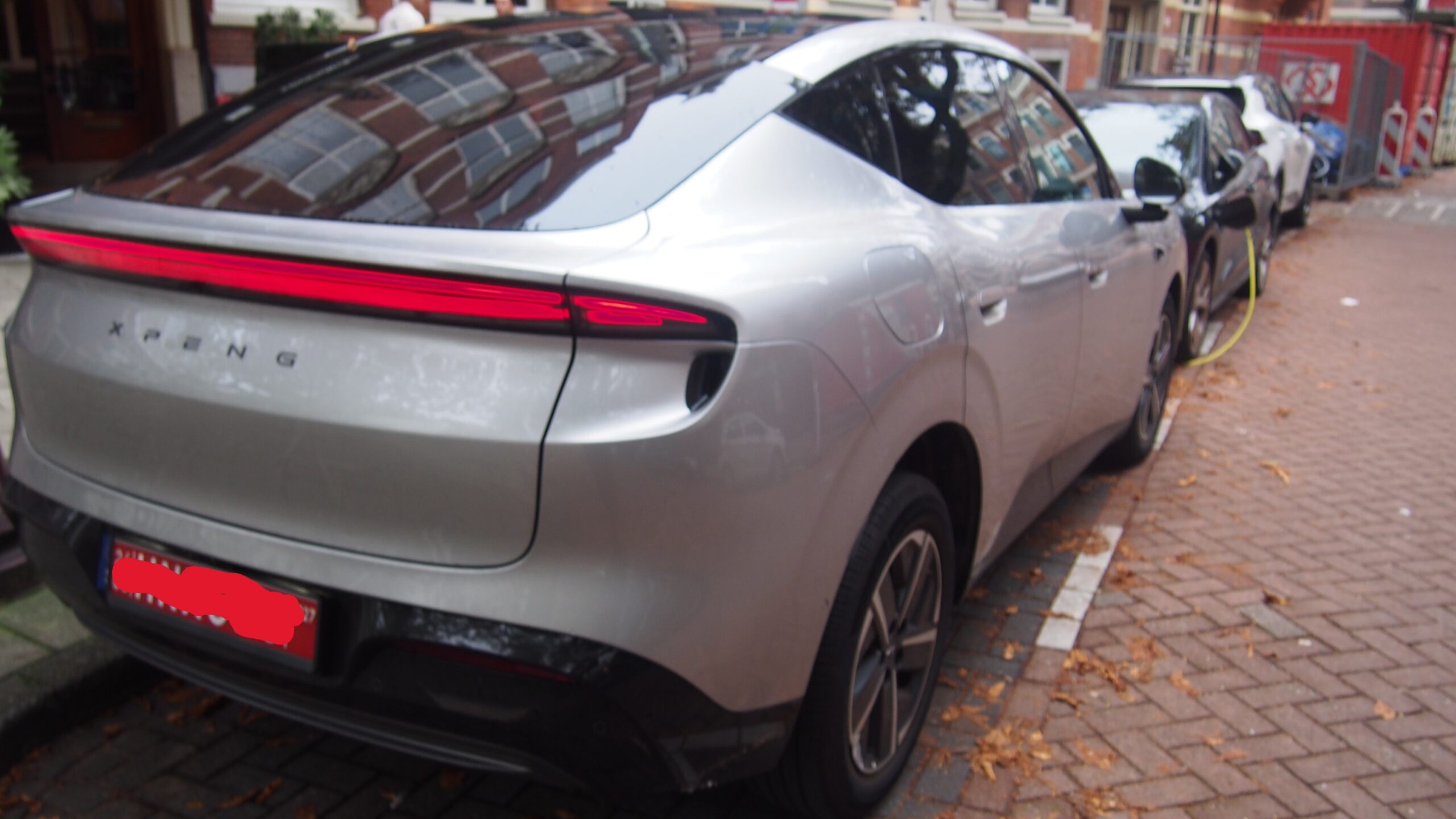
Beyond ride quality, cabin acoustics highlight another stark difference. The XPENG L03 proved noticeably quieter throughout the test loop, particularly when rolling over large expansion joints and rough pavement, though VLA 2.0 actively slowing for bumps undoubtedly contributed to lower impact noise. Road noise intrusion was lower in the L03 despite lacking laminated side windows, though testing was confined to lower speeds over paving bricks and neglected highway speeds.
Furthermore, auxiliary components operated with greater discretion in the XPENG. The windshield wipers functioned more quietly, the air conditioning system produced less ambient noise, and the internal steering motors remained completely silent, unlike the audible whirring detected in the Tesla. Both vehicles, of course, remain remarkably hushed compared to traditional internal combustion engine vehicles.
Interior refinement and comfort features further separate the two competitors. Following days of exhausting travel, the XPENG’s massage seats emerged as a standout personal highlight. Unlike basic systems that merely vibrate or target a single spot, these multi-pressure-point massage seats engage various areas of the body simultaneously. Because the XPENG utilizes an interior packaging design that maximizes passenger volume within a slightly smaller overall footprint than a Model 3 or Y, the front seat could be comfortably reclined while leaving ample legroom for rear passengers. The seating foam utilizes variable densities, providing unexpected structural support that surpasses what the visual shape suggests. Combined with the massage capabilities, navigating heavy traffic became an unexpectedly relaxing experience. By contrast, the higher-priced Tesla tested lacked massage seats entirely.
Beyond seating, the XPENG interior conveys a more premium atmosphere, aside from a few pre-production surface elements. Soft-touch materials and genuine metal trim appear liberally throughout the cabin, conveying a solid, tightly assembled build quality. While Tesla’s material choices and manufacturing execution have improved significantly over earlier iterations, the Model 3 cabin still feels a step behind the L03.

Driver interfaces also diverge significantly. The XPENG features a crisp central display complemented by a dedicated driver instrument cluster and a head-up display (HUD). It retains familiar, tactile turn signal and gear shifter stalks that prove intuitive to operate. Additionally, XPENG prepares to roll out conversational voice interaction via its Master Agent system, offering hands-free control that minimizes driver distraction.
Conversely, Tesla centralizes nearly all vehicle information and controls onto a single touchscreen, which exhibited a faint pinkish hue during the overcast test day. While Tesla has reintroduced turn signal stalks to European models—a welcome addition over the stalkless test vehicle—using the touchscreen to select gears remains awkward, particularly during sudden driver takeovers when autonomous systems disengage in tricky traffic scenarios.
Intelligent Driving On Amsterdam Roads
Underneath the bodywork, the computing hardware powering these systems tells a compelling story. The Ultra trim L03 relies on three proprietary XPENG Turing chips—two dedicated to driving computations and one managing voice control. Each chip delivers 750 TOPS (trillion operations per second) of processing power, culminating in an impressive aggregate of 2250 TOPS. This capacity drastically exceeds Tesla’s HW4 architecture, which totals roughly 500 TOPS. The localized processing power enables the XPENG to execute heavy computational tasks onboard, resulting in smoother navigation and instant routing adjustments through urban intersections.
In contrast, the Tesla system relies more heavily on cloud communication. The vehicle occasionally experienced processing lag while recalculating routes, an issue potentially exacerbated by signal interference within Amsterdam’s dense urban core. Furthermore, XPENG’s high onboard computing capability accelerates the learning cycle for VLA 2.0. Operating without rigid rules-based programming or heavy reliance on data labeling, VLA 2.0 bypasses the massive data center bottlenecks that require human operators to manually label images for Tesla’s models. This independence from extensive central oversight allows XPENG to adapt to novel driving scenarios with greater velocity.
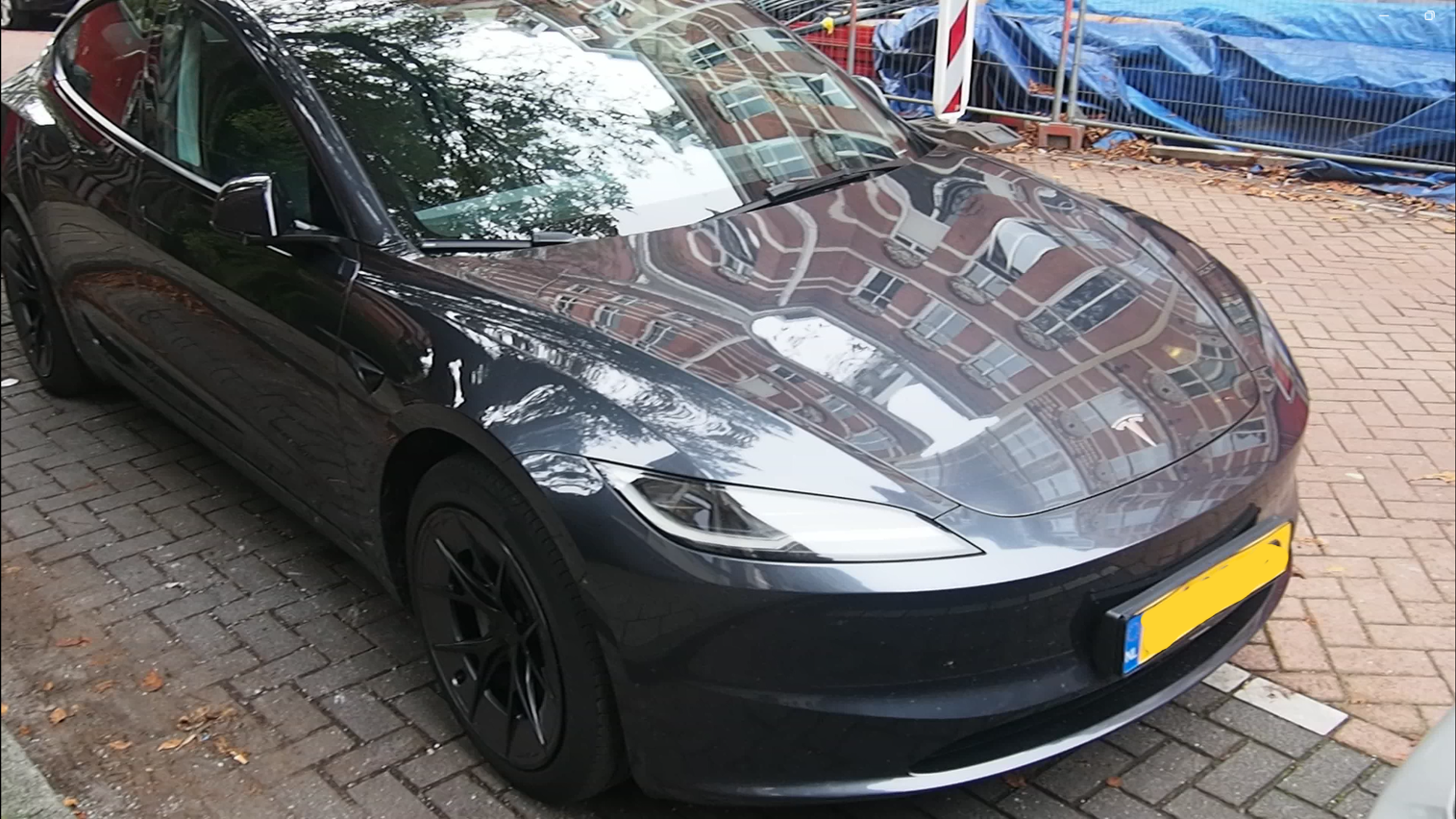
Processing horsepower also translates to superior waypoint management. Both vehicles were programmed with identical waypoints to ensure they traversed the exact same test loop. The XPENG managed waypoints seamlessly without occupant disruption. The Tesla, however, occasionally bypassed a designated waypoint, attempted a U-turn to locate it, missed it again, and repeated the cycle until the waypoint was manually deleted from the navigation profile. Re-engaging FSD after such deletions occasionally proved challenging. While waypoint precision may seem minor to casual drivers, seamless navigation becomes critical as autonomous systems advance.
The designated test route presented severe obstacles, including active construction zones, delivery trucks, emergency vehicles blocking thoroughfares, and intense pedestrian and bicycle traffic. This environment represents a far more complex driving challenge than typical American suburban test tracks. Due to camera difficulties encountered during the initial Tesla run, two complete laps were recorded in the Model 3, during which traffic had naturally subsided compared to the morning XPENG test run.
Although the XPENG maintained tighter gaps to surrounding traffic than local Dutch standards typically dictate, the behavior registered as a matter of personal comfort rather than a safety hazard. The vehicle never forced surrounding motorists to brake abruptly or take evasive action. While native Dutch drivers accustomed to expansive spacing might desire wider safety margins, the assertiveness felt natural—resembling defensive driving styles found in high-density American cities like New York. XPENG is expected to slightly temper this assertiveness for official market launch, though users accustomed to dynamic driving environments will likely adapt quickly.
Conversely, the Tesla occasionally provoked frustration from surrounding drivers. On multiple occasions, it prompted honking by exhibiting hesitation at complex intersections, reacting overly cautiously to one road user while inadvertently impeding another, or temporarily blocking traffic flow entirely. When both vehicles encountered a blocked construction zone, the XPENG edged forward cooperatively to allow a trapped vehicle behind it to clear the lane—a car that happened to be the Tesla being evaluated concurrently by a Dutch YouTuber.
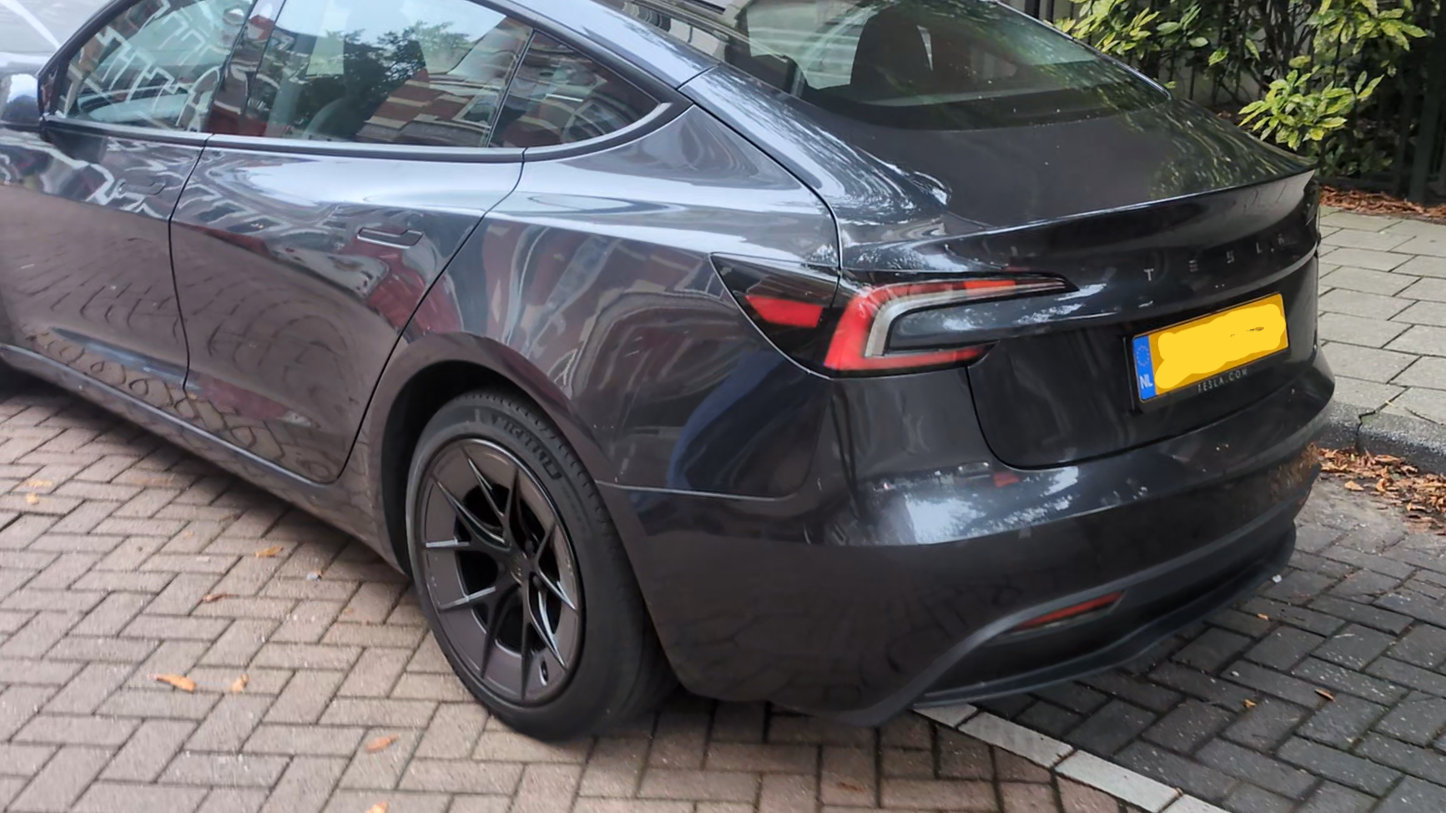
Furthermore, FSD failed to interpret painted roadway lane arrows quickly enough to secure the proper lane on one notable occasion, forcing a manual driver takeover. Several turns were executed from improper lanes, and traffic signal interpretation proved inconsistent. The XPENG navigated these same complex urban checkpoints with superior fluidity.
Anticipate & Act vs. React & Correct
Ultimately, the two systems embody distinct philosophies of autonomous mobility. The XPENG system operates with a smooth, confident, and assertive demeanor, effectively anticipating situations and acting proactively. The Tesla system leans toward a more cautious, nervous disposition, relying on a continuous cycle of reaction and correction.
Used strictly as Level 2 driver assistance tools, both vehicles enhance safety, particularly for operators unfamiliar with local traffic codes. Their multi-directional environmental awareness excels at spotting vulnerable road users like cyclists. However, despite their advanced capabilities, the sheer unpredictability of the test route demonstrated that neither vehicle is ready for unsupervised Level 4 autonomy in such chaotic urban centers, though software development cycles remain rapid.
Global driving environments introduce even more extreme variables. Narrow, single-lane European rural lanes require reversing to permit oncoming passage, while chaotic traffic networks in regions like the Philippines rely entirely on social intuition rather than rigid road signs. In many international markets, overly timid driving behaviors instantly provoke road rage and gridlock.

Driver intervention styles also highlight architectural differences. The XPENG utilizes a collaborative co-driving framework. Human inputs—such as accelerating to close a traffic gap or nudging the steering wheel to grant cyclists more room—do not disengage the intelligent driving system. The vehicle absorbs the driver’s intent seamlessly. Tesla employs a binary on-off paradigm; interventions immediately disengage FSD, requiring the operator to resume full manual control before re-engaging the software once normal conditions return.
Furthermore, XPENG interventions during the test were often optional refinements driven by tight street geometry and impatient trailing traffic, whereas Tesla interventions were frequently mandatory corrections to prevent navigation errors.
Data privacy protocols further distinguish the two approaches. Because XPENG processes the vast majority of driving data onboard, minimal information is transmitted to central servers. Any data transmitted within Europe is strictly anonymized prior to export and remains localized within European data centers. Eliminating the need for extensive human data labeling further mitigates privacy vulnerabilities.
Regulatory strategy also highlights corporate divergence. Tesla established an early European footprint for FSD in the Netherlands before expanding outward. XPENG, meanwhile, aligned its development directly with UN DCAS (Driver Control Assistance Systems) regulatory standards, which harmonize compliance across the European Union and participating global markets. As these unified regulations take effect, VLA 2.0 is engineered for immediate out-of-the-box compliance. Tesla, by contrast, faces mandatory software modifications to conform with forthcoming restrictions regarding hands-free urban operation and speed limit tolerances, though lobbying efforts may alter enforcement timelines.

A Matter Of Perspective
Given the freedom of choice, the XPENG L03 equipped with VLA 2.0 emerges as the more compelling package, particularly when factoring in its competitive price point. The vehicle feels fundamentally more advanced and refined, displaying meticulous attention to detail. The cabin maintains a quieter, more comfortable environment supported by ergonomic physical controls for essential functions, complemented by a functional HUD and robust voice commands that keep eyes focused outward. Intelligent driving maneuvers execute with greater fluidity, and the chassis tuning handles severe road irregularities with composure.
Naturally, perspectives are shaped by frame of reference. Drivers familiar only with less demanding American road networks could easily find Tesla’s FSD impressive. For motorists restricted to the Tesla ecosystem, the hardware still provides a robust electric vehicle and capable assistance suite. However, when evaluated side-by-side in the complex urban ecosystem of Amsterdam, the XPENG system delivers superior smoothness, confidence, and capability, paired with a more sophisticated chassis and higher assembly standards. As software development progresses, XPENG appears well-positioned to maintain its advantage as VLA 2.0 expands across Europe.