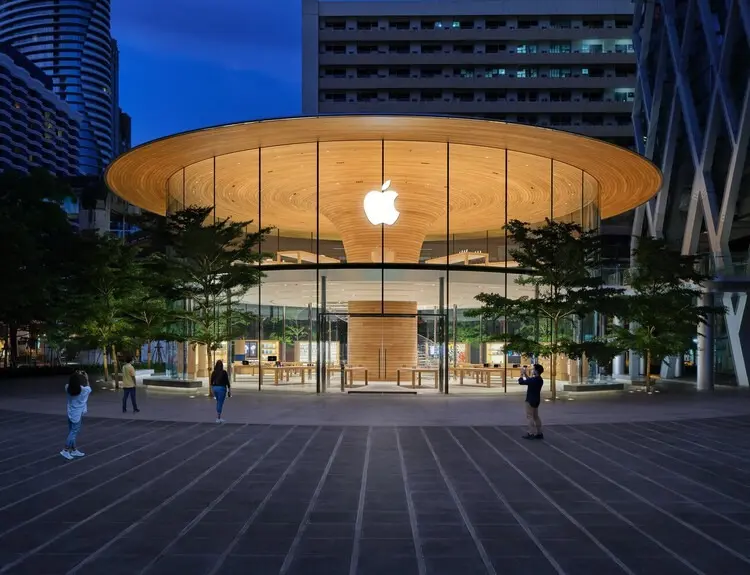
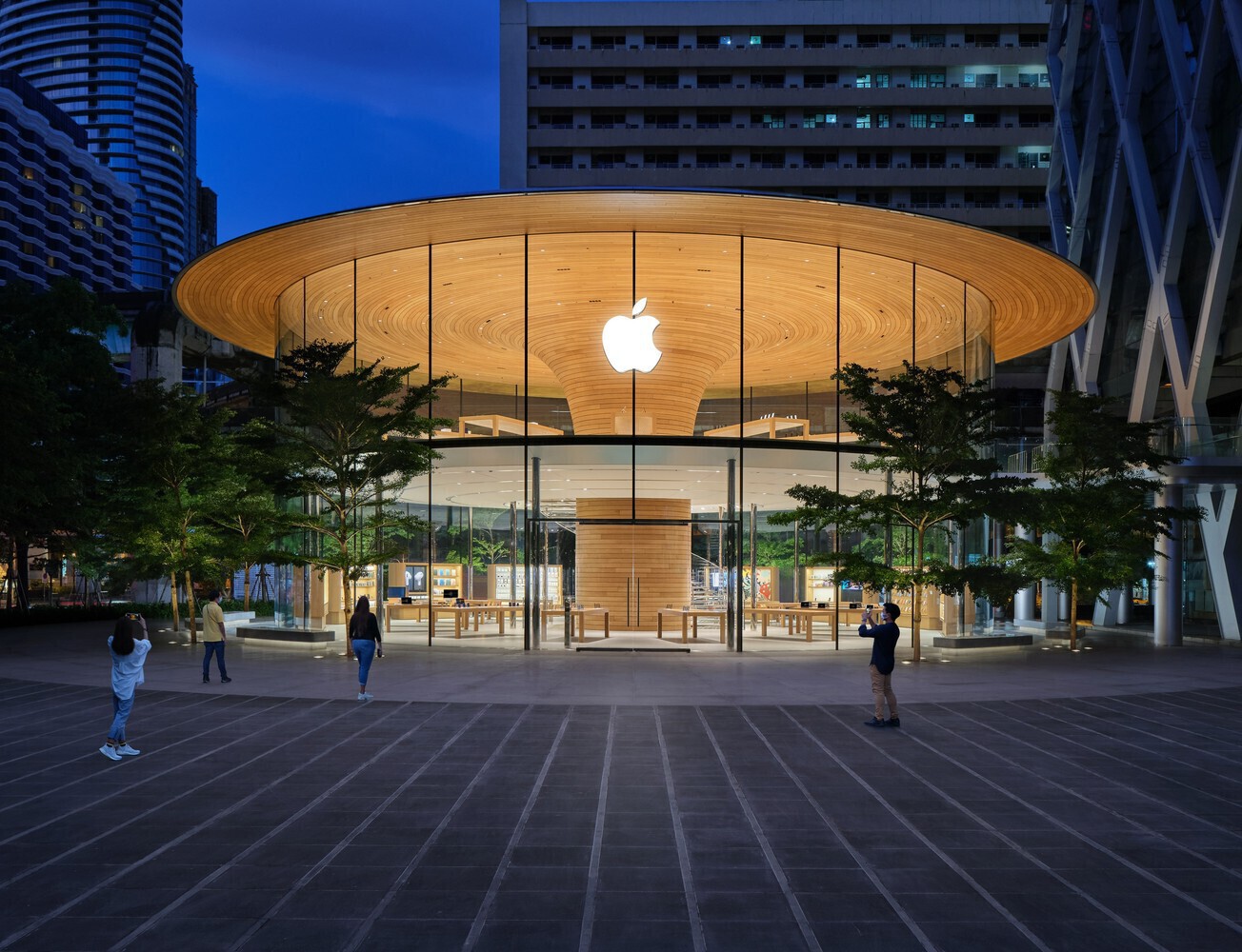
In 1972, architectural theorists Robert Venturi, Denise Scott Brown, and Steven Izenour published Learning from Las Vegas, fundamentally challenging the design world to reconsider the underappreciated and largely dismissed commercial landscape of the United States. Their storied distinction between the "duck"—a building whose physical form literally communicates its specific function—and the "decorated shed"—an ordinary, utilitarian structure whose identity is instead conveyed through signs, symbols, and applied ornamentation—questioned a widely accepted modernist assumption. For decades, the orthodox modernist view dictated that architectural expression should emerge strictly from rational form and functional requirements.
However, by examining the flashing billboards, luminous neon lights, bustling casinos, and chaotic commercial strips of Las Vegas, the authors argued that architects should study rather than sneer at the vibrant visual languages of American consumer culture. This foundational text opened the door to postmodernism, a movement that would soon find itself deeply intertwined with the ambitions, anxieties, and marketing strategies of American commerce.
Postmodernism can be understood historically as a profound rejection of traditional modernist promises. While high modernism envisioned a utopian future driven by universal standards, minimalist steel, and unadorned glass, postmodern architecture became characterized by its heavy reliance on historical quotation, playful ornament, ironic juxtaposition, and a deliberate embrace of popular culture. Yet, its complex relationship with American capitalism was far more nuanced than a simple rebellious architectural movement or a rigid, cynical response to corporate interests.

To understand this dynamic, one must look at how modernism had previously served the corporate world. Modernism had successfully provided American corporations with a powerful, authoritative visual identity. By housing sprawling empires inside pristine glass towers and sleek minimalist structures, businesses associated themselves with administrative efficiency, technological progress, and institutional authority. Modernist skyscrapers projected a sense of universal power and corporate seriousness that dominated major city skylines from New York to Chicago.
What postmodernism ultimately offered to architects and corporate clients alike was a radical reframing of how buildings could communicate with the public. This shift arrived precisely at a time when corporate differentiation, consumer identity, and the symbolic value of products were becoming central to the survival and growth of American businesses. As the economy transitioned away from pure industrial manufacturing toward a landscape dominated by services, marketing, and corporate branding, buildings themselves needed to do more than just provide shelter and office space. They needed to tell stories, evoke history, and project distinct personalities in an increasingly crowded marketplace.

Throughout the late twentieth century, this architectural shift transformed downtowns and suburban office parks alike. Corporations realized that historical pastiche, neoclassical columns stripped of their traditional structural duties, playful geometric shapes, and vibrant color palettes could serve as powerful marketing tools. A postmodern headquarters was no longer just a neutral container for desks and computers; it was a three-dimensional billboard, a physical embodiment of a company’s brand identity, and an active participant in urban consumer culture.

The legacy of this era continues to influence how commercial spaces are designed and perceived today. By learning from the commercial strips and embracing the symbolic potential of the decorated shed, postmodernism permanently altered the relationship between architecture and commerce, forging a lasting partnership where buildings speak the language of capital, culture, and business ambition.