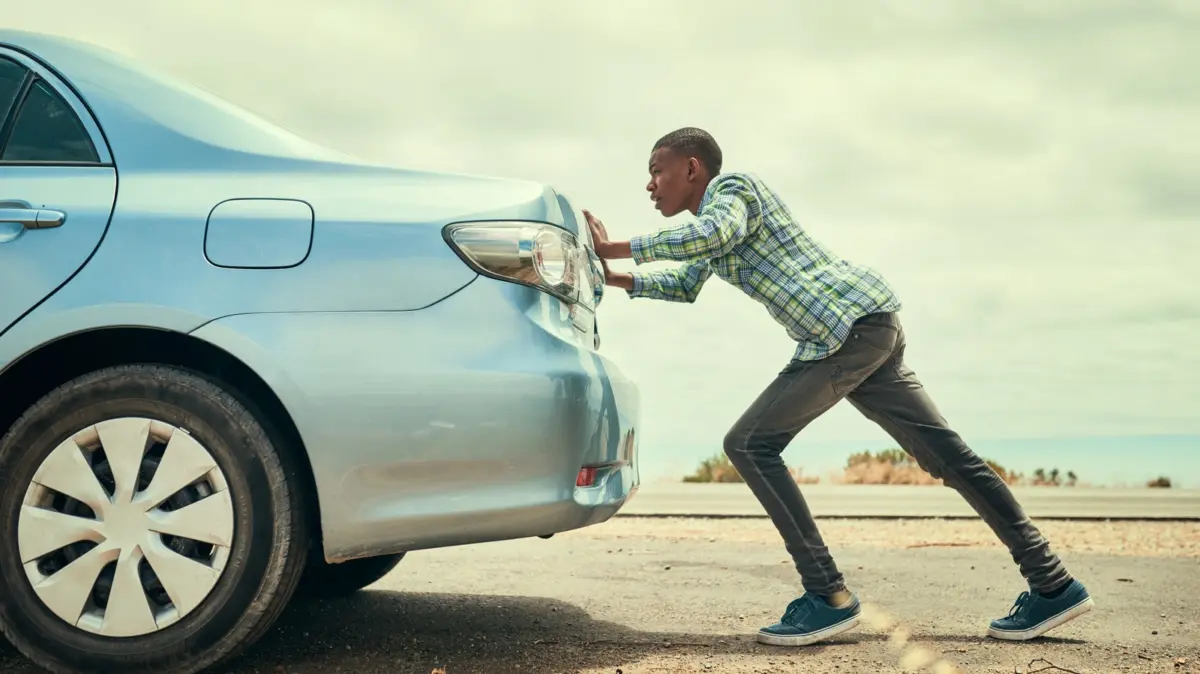
There are a litany of things more terrifying that could happen to you in the car than just being stranded on the side of the road. It is scary and inconvenient, sure, but imagine that beat-to-hell Nissan Altima you have been keeping at a distance of two to five car-lengths suddenly being right next to you on the highway, or coming up hot behind you just as you need to make a sudden stop.
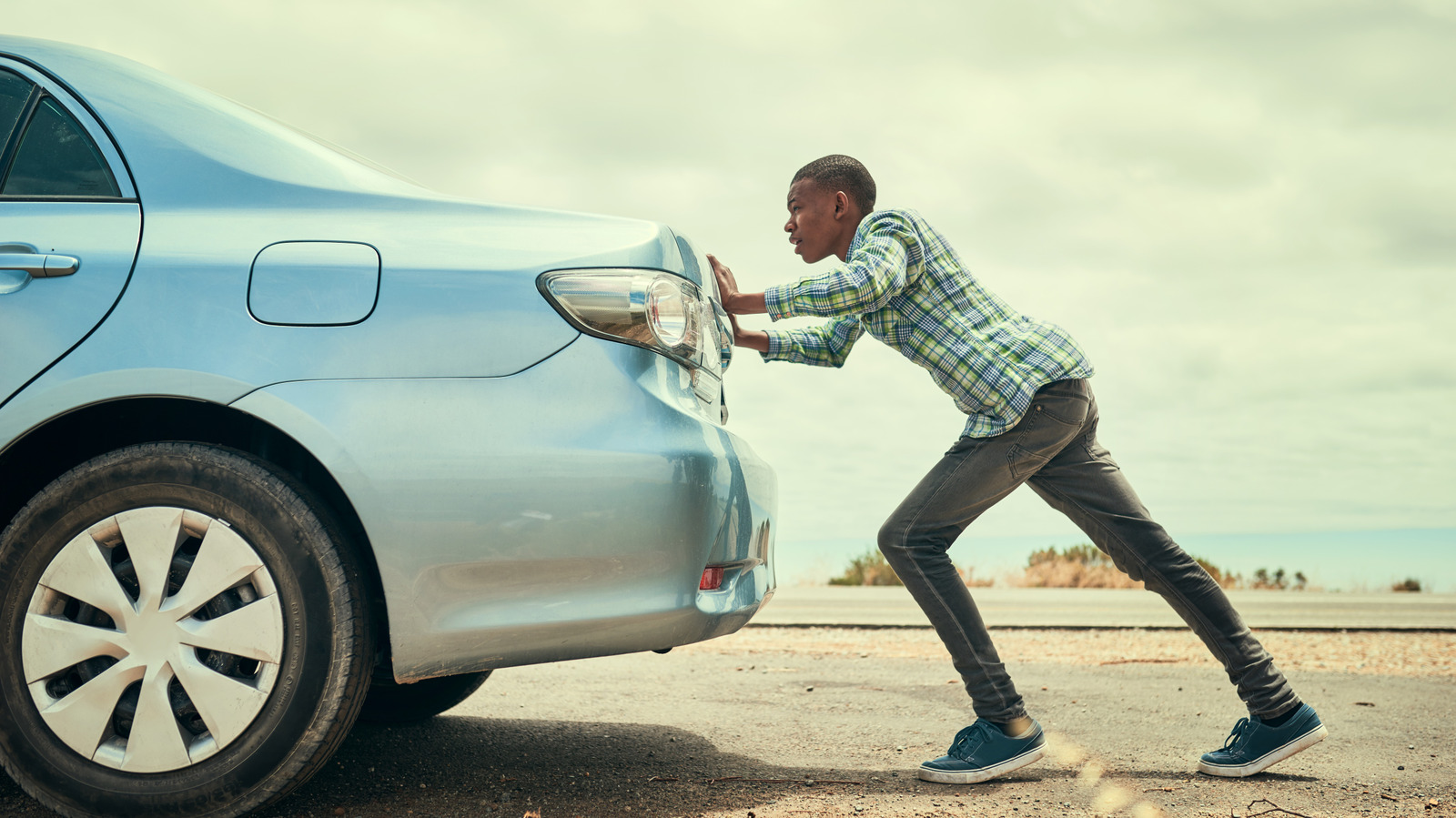
Roadside mishaps are an unfortunate reality of motoring, but the actual experience of being disabled on the asphalt evokes deep-seated anxieties for many drivers. For some, the fear is rooted in the inherent danger of high-speed traffic whizzing past a stationary vehicle. For others, particularly women travelling alone, being stranded presents very real security concerns regarding the kind of unwanted attention it can attract.
Luckily, the ubiquitous availability of modern cell phones has made getting stranded for long periods of time a much less common reality. If you are somewhere with a cellular signal—which covers most places these days—help is usually just a tap away. You can call for professional roadside assistance, summon a tow truck, or ring up a friend or family member to come bail you out of a mechanical jam. However, this has not always been the case for every roadside mishap, nor was it always standard for previous generations of drivers. Anybody else remember the pre-cell-phone days?
Those lingering memories and anxieties bring us to the weekend reader question: What is your worst stranded on the side of the road story?
Almost Dropping the Ball with a Breakdown in Ohio
To understand how quickly a routine road trip can turn into a logistical nightmare, one only has to look back at family travel from decades past, long before smartphones and rideshare apps were fixtures of modern life. At one point, family circumstances meant moving within driving distance of childhood homes, prompting long-distance holiday treks. A common route involved packing into a family Cadillac and driving across the grueling 600-plus miles of road from Michigan down to Alabama during long school breaks, such as summer vacation or the Christmas holidays. One particular holiday season, the return home fell squarely on a very snowy New Year’s Eve.
The trouble began not long after the driving duties were handed over to an uncle. The father had been behind the wheel since the wee hours of the morning—before 6 a.m.—and was enjoying a well-earned break, letting his brother navigate the flat, desolate stretches of highway across Ohio. At some point during the leg of the journey, the uncle mentioned that it felt like freezing cold air was blowing directly into the cabin. Soon after, electrical and power issues began to manifest within the aging sedan.
The father, who happened to be a trained mechanic, diagnosed the early warning signs and directed that the limp car be brought to a halt at a nearby rest stop so he could properly investigate under the hood. The diagnosis was definitive: the water pump had pumped for its very last time. Mechanically speaking, that was fine in theory, because a failed water pump is generally a fixable problem under normal circumstances.
Except that normal circumstances did not apply on this particular evening. Even though it was the early 2000s and the family possessed a basic, brick-like cellular phone that could technically make phone calls, the calendar and the clock were working firmly against them. Every local auto parts store, repair shop, and service garage had already shuttered its doors early in anticipation of the impending New Year’s Eve celebrations. Now, a stranded party of five—three of whom were young children—was entirely out of luck in the freezing Midwestern winter.
Recalling the ordeal, finding a way out required an archaic process that younger generations might struggle to picture. After what felt like hours of combing through the pages of a bulky Yellow Pages phone book and making frantic calls from a primitive mobile phone, the family was finally able to secure the help of a rare station wagon taxi. They piled into the cab with whatever luggage could physically fit alongside the group and finished the final few hours of their journey through the snow. The financial toll of that specialized holiday taxi ride certainly was not cheap.
The logistical saga did not end with reaching home. By New Year’s Day, the father had to enlist a trusted family friend equipped with a flatbed tow truck to take him all the way back out to the desolate stretch of Ohio highway to retrieve the abandoned vehicle, bringing it home so he could make the necessary repairs before returning to work.
That particular narrative serves as a relatively mild example of a getting-stranded story, leaving plenty of room for motorists to share their own far more desperate roadside moments. The invitation is open to up the ante: Did you have to hitchhike home through a blizzard? Are you still currently stuck somewhere off the shoulder of an interstate?
Just keep in mind that some of the younger readers tuning in today might not fully comprehend relics of the past like the Yellow Pages, cell phones that could only make basic voice calls, and a world completely devoid of on-demand towing apps and Ubers. Oh, the sheer terror!