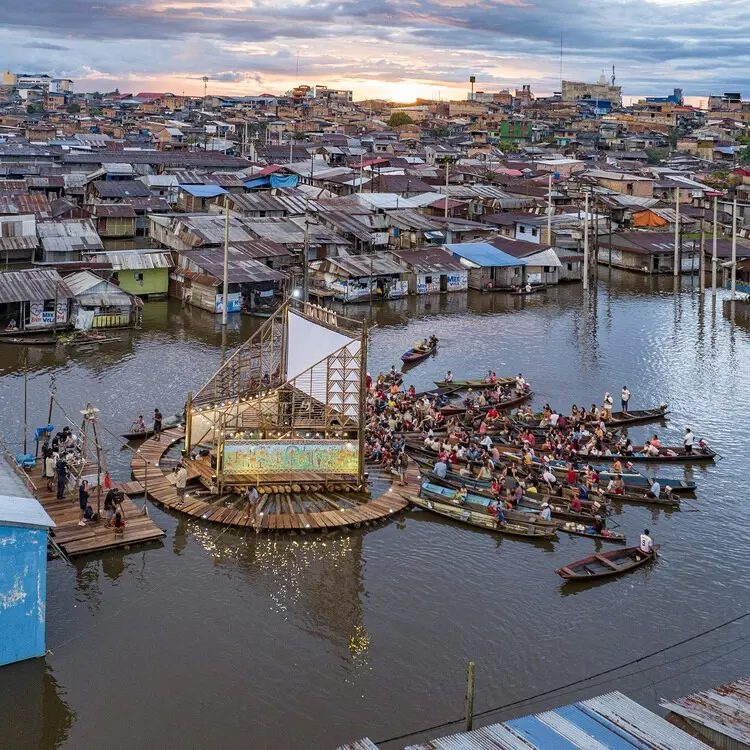
The Bienal Iberoamericana de Arquitectura y Urbanismo (Ibero-American Biennial of Architecture and Urbanism), universally recognized by its Spanish acronym BIAU, stands as one of the most prominent international platforms dedicated to celebrating, awarding, and disseminating architectural and urban excellence across Latin America, Spain, and Portugal. Established in 1998, the biennial is actively promoted by the Government of Spain through its Ministry of Housing and Urban Agenda (MIVAU). Held biennially, the event rotates locations across the Iberian Peninsula and Latin America to survey the evolving landscape of regional design. Following its successful thirteenth edition—which unfolded under the banner “CLIMAS: Acciones para el buen vivir” (CLIMATES: Actions for Good Living) in Lima, Peru, in 2024—the architectural community is now turning its sights toward the upcoming XIV edition. The XIV BIAU is scheduled to take place in Brasília from November 3 to 6, 2026, anchoring its foundational ethos under the overarching theme "Cuidar la Vida," or "Caring for Life."
This year’s curatorial and thematic framework deliberately structures its critical reflections around four fundamental pillars: water, vegetation, housing, and communities. By focusing on these elements, the biennial aims to interrogate the multifaceted relationships linking architecture to the environmental, social, and cultural conditions that fundamentally sustain life.
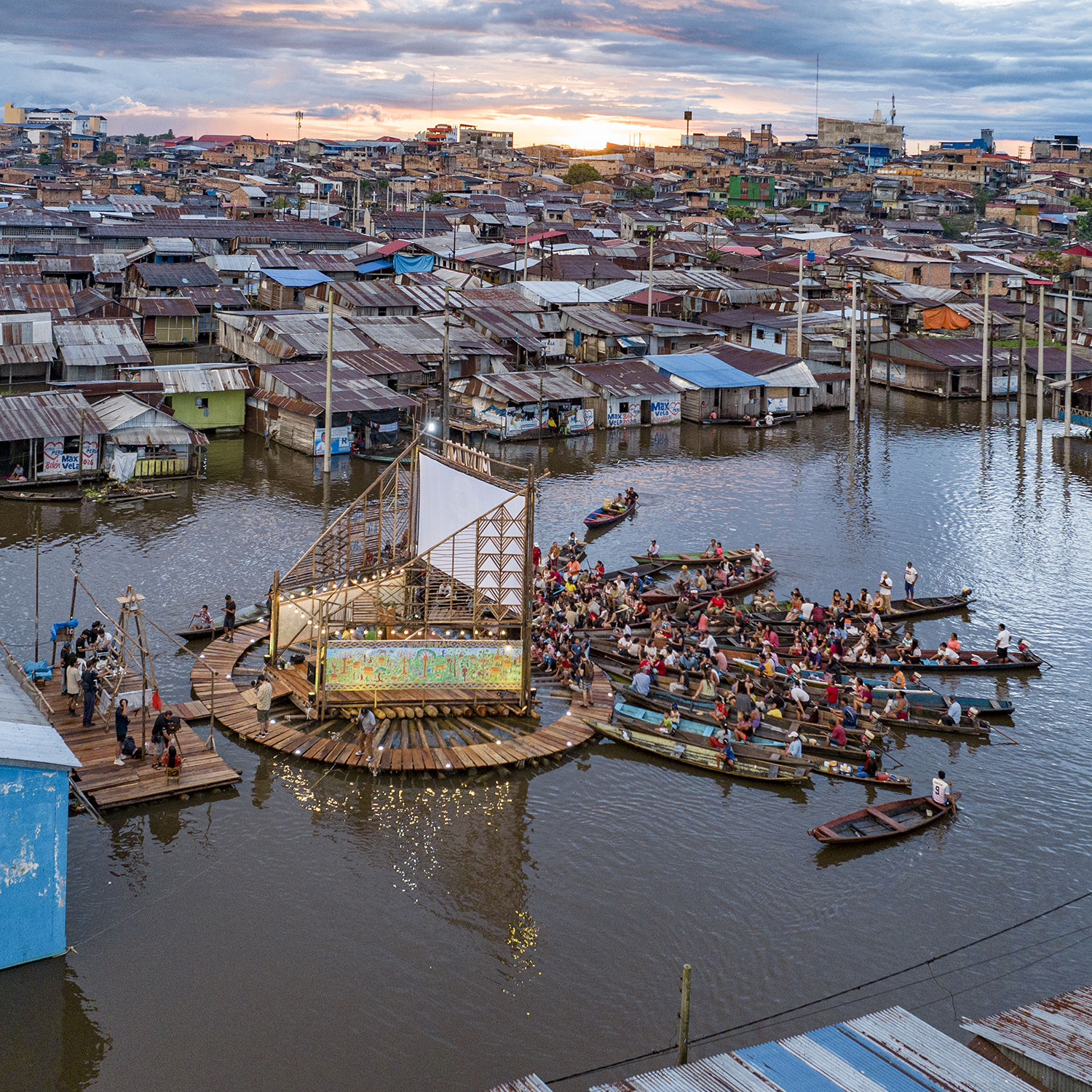
Over the course of four intensive days, the upcoming international event will combine high-level debates, academic lectures, curated exhibitions, formal awards ceremonies, guided architectural tours, and an array of cultural and musical activities distributed across some of the Brazilian capital’s most iconic venues. The decision to host the XIV BIAU in Brasília carries profound symbolic and practical weight, particularly at a time marked by escalating tensions between rapid urban growth, sweeping territorial transformations, and the everyday living conditions of citizens.
Founded in 1960 as a radical, utopian bet on establishing a brand-new administrative capital in the untamed interior of Brazil’s central plateau, Brasília originally embodied a bold vision of the future, architectural modernity, and profound social transformation. Viewed from today’s perspective, decades after its realization, the BIAU proposes a critical, nuanced reading of the capital. This contemporary evaluation acknowledges both the enduring utopian virtues and the inherent spatial contradictions of Lúcio Costa and Oscar Niemeyer’s masterwork. Concurrently, the selected curatorial proposals seek out contemporary works capable of offering tangible responses to society’s most pressing modern challenges, ensuring that design exerts a positive, regenerative impact on both urban and rural environments.
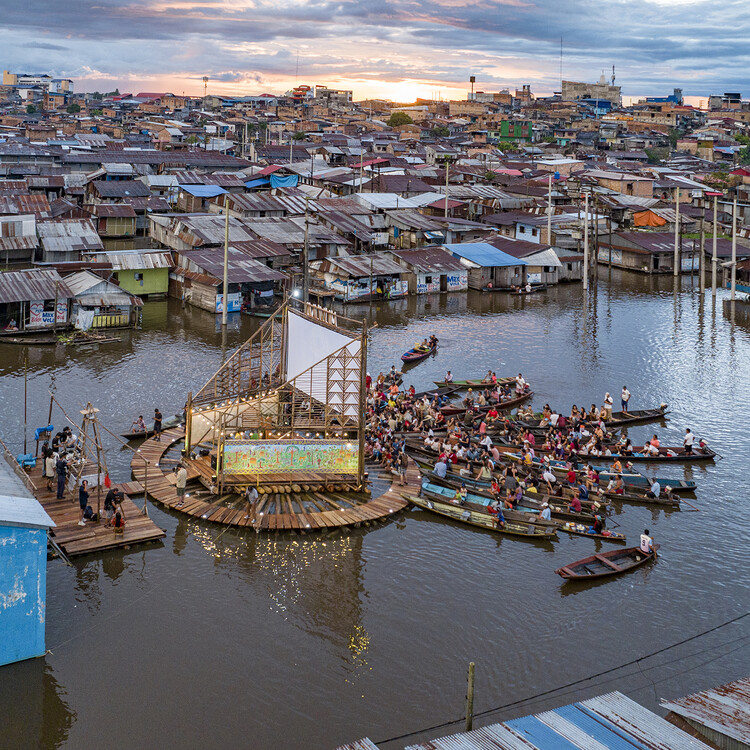
The extensive program also incorporates vital conversations centered on new territories and the ongoing transformations that continue to redefine how human communities inhabit their surroundings. This intellectual scaffolding was advanced on September 22, 2026, when event organizers officially unveiled a roster of 46 finalists. Comprising 34 projects in the built works category and 12 entries in publications, this elite group was winnowed down from a broader pool of 174 proposals that had been initially selected in July.
Among the 34 architectural and urban projects that advanced to the final stage, the international jury singled out works that establish an active, symbiotic relationship with natural systems. Rather than treating water and vegetation merely as inert resources subject to human control, these finalist designs reframe natural elements as vital territorial infrastructures capable of regenerating damaged landscapes and elevating living conditions.
The social dimension is equally central to the selected portfolio. The chosen projects originate from a rigorous, empathetic reading of their specific geographical and cultural contexts, as well as the genuine needs of local residents. They skillfully weave participatory frameworks, cultural preservation, local training opportunities, and economic empowerment directly into the architectural process. Meanwhile, the housing selections deliberately transcend the narrow boundaries of the individual dwelling. Instead, these projects actively address the street, the immediate neighborhood, and the broader urban landscape, prioritizing communal coexistence, climate-conscious design strategies, and simple, highly resourceful construction methods tailored to their specific environments.
In the Publications category, the biennial jury celebrated the remarkable richness and diversity of an editorial output that places rigorous architectural research at the heart of contemporary cultural debates. The finalist publications approach the concept of dwelling as a fundamental act of caring for life, delving deeply into education, territory, natural resource management, community structures, housing typologies, and urban inequality. Crucially, these texts underscore the deeply intertwined social and political dimensions of architecture and urbanism.
The jury gave special recognition to research endeavors that spring from concrete, real-world conditions to pose broader systemic questions, successfully merging empirical fieldwork, critical analysis, and rigorous design knowledge. Furthermore, the selection honors publishing and educational initiatives as legitimate forms of spatial intervention—acts that actively preserve collective memory, provoke necessary public debate, and foster critical thinking among students and practitioners alike.
The rich schedule of activities will unfold across some of Brasília’s most representative and architecturally significant spaces, including the Teatro Nacional Cláudio Santoro, SESI Lab, the Universidade de Brasília (UnB), Cine Brasília, and Index SCS.
The program officially opens on Tuesday, November 3, beginning with delegate accreditation at Index SCS. This will be followed by the official opening ceremony hosted at the Teatro Nacional, the presentation of the prestigious Premios de Trayectoria (Lifetime Achievement Awards) to distinguished figures Gonçalo Byrne, Erminia Maricato, and Frederick Cooper Llosa, the grand opening of the biennial exhibition in the theater’s main lobby, and a celebratory opening concert performed by the Brasília Symphony Orchestra.
On Wednesday, November 4, the day begins with a morning architectural tour departing from Index SCS. Following the tour, a series of four focused debates covering water, vegetation, housing, and communities will run in parallel blocks across SESI Lab and the Universidade de Brasília. These sessions will be guided by prominent voices in the field, including Loreta Castro, Marcelo Rosenbaum, and Inês Lobo. The afternoon will transition into an intimate Open Conversation featuring Gonçalo Byrne hosted at the Embassy of Portugal.
Thursday, November 5, opens with another guided tour departing from Index SCS, transitioning into a specialized documentary screening at Cine Brasília. The film screening will serve as a springboard for an expansive debate addressing new territories and the wide-ranging environmental, social, and cultural transformations that are actively redefining the relationship between architecture, landscape, and society. Paraguayan architect Solano Benítez will coordinate this session alongside Angelo Bucci, Fernando Pérez Oyarzún, and Fredi Casco. The day’s events will conclude with a festive, public gathering at SESI Lab featuring a live performance by renowned Brazilian singer Ellen Oléria.
The final day of the biennial, Friday, November 6, will return to the Teatro Nacional. The agenda features a comprehensive presentation by the curatorial team, keynote lectures delivered by Inês Lobo and Solano Benítez, and a secondary debate block featuring Loreta Castro, Al Borde, and Rosenbaum. An afternoon roundtable discussion involving internationally renowned architects will precede the much-anticipated announcement and presentation of the Premios de Obras y Publicaciones (Works and Publications Awards).
The XIV BIAU is officially convened by Spain’s Ministry of Housing and Urban Agenda (MIVAU), working in close collaboration with the Consejo Superior de los Colegios de Arquitectos de España (Superior Council of the Colleges of Architects of Spain, CSCAE) and the Fundación Arquia. Since its inception in 1998, numerous Ibero-American institutions have contributed to its ongoing organization, cementing its status across thirteen previous editions as a vital international benchmark for assessing the current state of architecture and urbanism throughout the region.
The distinguished curatorial team driving this fourteenth edition comprises Nuno Sampaio, executive director of Casa da Arquitectura in Portugal; Carlos Quintáns Eiras, an architect, editor, and curator of Unfinished, which earned the Golden Lion at the 2016 Venice Biennale; Fernando Serapião, editor and critic; Matheus Seco Ferreira and Daniel Mangabeira da Vinha, founding partners of BLOCO Arquitetos; and Luciana Saboia, professor at the Universidade de Brasília.