Proposed limits to the duration of status—the designated length of time an international student is permitted to remain in the United States to complete their degree—alongside a wave of other complex immigration policy shifts, have created a sprawling institutional challenge for higher education institutions nationwide. At the heart of this challenge lies a pressing operational question: How can colleges and universities preserve a welcoming, predictable, and supportive experience for international scholars when the federal rules governing their very ability to study in the country become increasingly intricate and unpredictable?
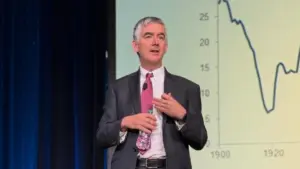
This evolving landscape affects far more than individual study plans or immediate classroom learning. It sends ripples across entire institutional operations, touching campus technology, communications strategies, legal compliance frameworks, and staffing resources. To better understand the day-to-day pressures facing international education offices, we spoke with Travis Ulrich, senior vice president at Terra Dotta, a technology company that provides software solutions to help universities manage international programs and student populations.
The Human and Operational Toll on International Education Professionals
International education professionals are inherently driven by a deep passion for globalization, cultural exchange, and student advocacy. However, navigating the current tumultuous period of policy uncertainty has left many feeling stretched to their limits. With new procedural detours emerging across nearly every corner of the international education ecosystem, professionals are forced to juggle continuous uncertainty while their day-to-day work becomes exponentially more consequential.
The specialized expertise required to stay ahead of rapid-fire visa and immigration adjustments—not to mention the constant stops and starts of litigation and its subsequent legal impacts—is critically important. This knowledge is vital not only for providing adequate student support but also for safeguarding the institution’s overall reputation. Furthermore, while protecting against noncompliance remains a high-stakes priority with significant legal ramifications, universities are simultaneously grappling with intense budget pressures. In this financial climate, the monetary value that international students provide to campus communities cannot be overstated.
Recent research conducted by Terra Dotta underscores the profound staffing and resource pressures currently weighing down international education offices. The rapid succession of immigration policy changes over the past year has only intensified these operational difficulties, leaving dedicated advisers to carry greater responsibilities while frequently working with constrained resources.

Even amid this severe operational turmoil, international education professionals remain deeply committed to globalization and to helping students extract maximum value from their academic journeys. They act as essential stewards, ensuring that institutions provide robust support systems to international scholars. This mission is critical because global education does not merely benefit the international students themselves; it enriches domestic American students, strengthens the broader academic institution, and bolsters the country as a whole. That foundational commitment has not wavered, even as the professional environment around them has grown significantly more difficult to navigate.
Shifting Institutional Paradigms: Moving Beyond Traditional Support
The core responsibilities of international education professionals—supporting students and ensuring strict compliance—remain fundamentally important. However, the dynamic array of factors currently impacting these responsibilities demands a far more proactive and intense commitment from institutions. Colleges must actively track legislative and legal developments while developing a sophisticated capacity to understand and communicate both known and anticipated policy shifts directly to international students.
While student advising and regulatory compliance once operated in a relatively predictable routine, today’s tenuous environment requires an integrated, cross-campus approach. Diligent, ongoing coordination among academic departments, legal counsel, career services, and enrollment management is now critical. Institutions must be able to anticipate and evaluate emerging risks while responding rapidly to external changes.
Compliance and student success must remain strictly in sync. Any minor adjustments made to academic programs, institutional enrollment decisions, or experiential and practical training opportunities can carry massive implications for an international student’s lawful immigration status and their ultimate ability to complete their education. Effective communication is equally indispensable. International students require timely, transparent information regarding what policies are shifting, how those modifications might impact them personally, and what proactive steps they should consider taking—even in instances where long-term regulatory outcomes remain unclear.
To meet these demands, international education professionals require direct, unhindered access to reliable student data. Modern universities need sophisticated technology capable of quickly identifying potentially affected students, evaluating individual circumstances, and coordinating targeted outreach without imposing unnecessary administrative hurdles on already overextended staff.
Perhaps the most significant shift required in this environment is cultural and structural: international education can no longer operate in isolation. Supporting international students through ongoing policy uncertainty must be viewed as a shared institutional responsibility that directly impacts student retention, overall enrollment stability, and the university’s fundamental ability to compete on a global scale.

Rethinking Strategy for the Next Five Years
Looking ahead, the persistence of policy uncertainty means that colleges and universities must proactively adapt to survive and thrive amid ongoing regulatory turmoil. Establishing the right combination of personnel, operational processes, and technological infrastructure ensures that international student data remains easily accessible. This capability allows institutions to swiftly identify students affected by sudden policy changes, pinpoint where individuals currently stand within their academic journey, and accurately determine how future program alterations or employment opportunities might be impacted. Rapid communication is vital, with updates needing to be delivered in days rather than weeks.
Because elevated workloads within international education offices are expected to persist for the foreseeable future, institutions must fundamentally rethink how they staff and support these departments. Terra Dotta’s research reflects what professionals experience on the front lines every day: international education staff manage exceptionally heavy workloads. Because modern compliance is vastly more complex and consequential than in the past, academic leadership must formally recognize international student services as essential infrastructure for student success, rather than treating them merely as back-office cost centers. The human cost to students who have placed their trust in a university, alongside the severe compliance and reputational risks involved, are simply too high to be left in the hands of under-resourced staff lacking adequate technological tools.
Beyond managing direct visa regulations and compliance obligations for currently enrolled students, institutions must place a renewed emphasis on internal academic collaboration and comprehensive scenario planning. This is especially vital for academic programs involving practical training options—such as programs navigating newly proposed administrative requirements and fees—ensuring they are designed and documented with regulatory realities firmly in mind. Such preparation involves proactively planning for a wide spectrum of potential policy outcomes rather than merely reacting after regulatory changes have formally taken effect.
International students and their families make substantial financial and personal investments to participate in U.S. higher education. Colleges and universities that manage to provide clarity, operational continuity, and a resilient support system despite external political and regulatory uncertainty will remain far better positioned to earn student trust, protect academic success, and sustain their long-term global competitiveness.