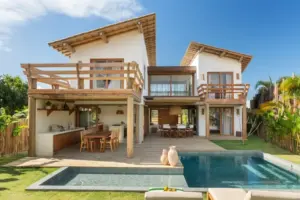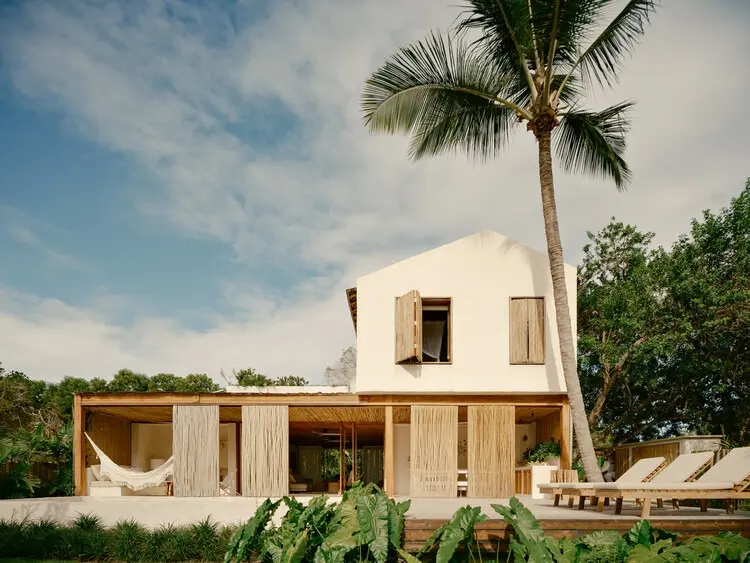
Architect Patricia Martinez, leading the renowned studio Patricia Martinez Arquitetura, has completed Casa Bahia, a striking residential project conceived not just as a professional commission, but as a deeply personal sanctuary. Designed to serve as her own summer home, the residence stands as an architectural meditation on simplicity, refined materiality, and sensory awareness. Curated by Susanna Moreira and captured through the lens of architectural photographer Fran Parente, Casa Bahia translates a lifelong philosophy of design into a tangible, built reality that reflects the architect’s personal vision of spatial harmony.
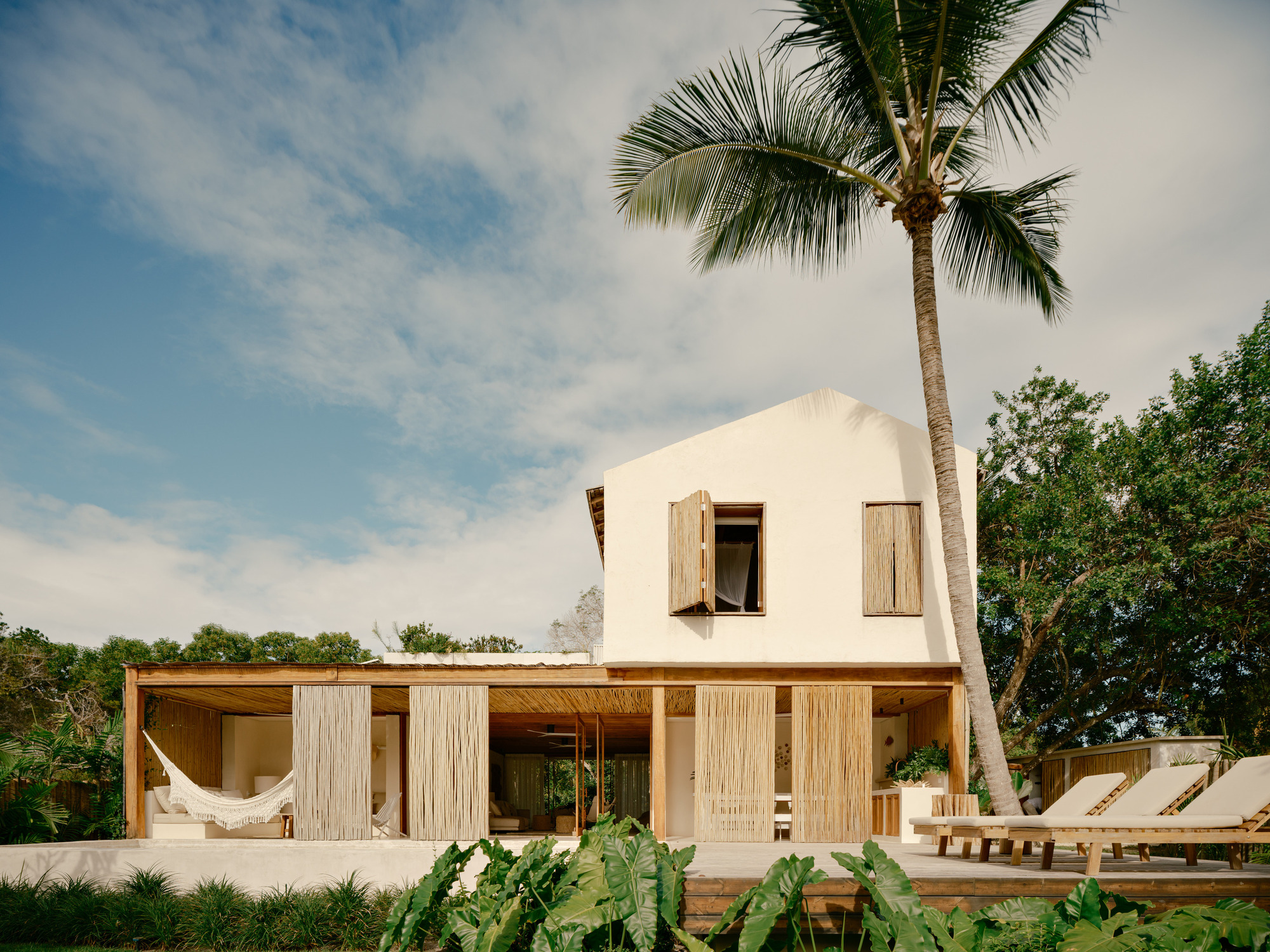
At its core, Casa Bahia was conceived as an exercise in architectural synthesis. In an era often dominated by excess and ornamental complexity, Martinez chose a path of subtraction, distilling the residence down to its most fundamental elements. The project explores the intricate balance between form, materiality, and emotional sensitivity. Every spatial decision, structural line, and tactile surface was weighed against the need for essentiality, ensuring that nothing is superfluous and every element serves a distinct purpose in shaping the daily experience of living within the space.
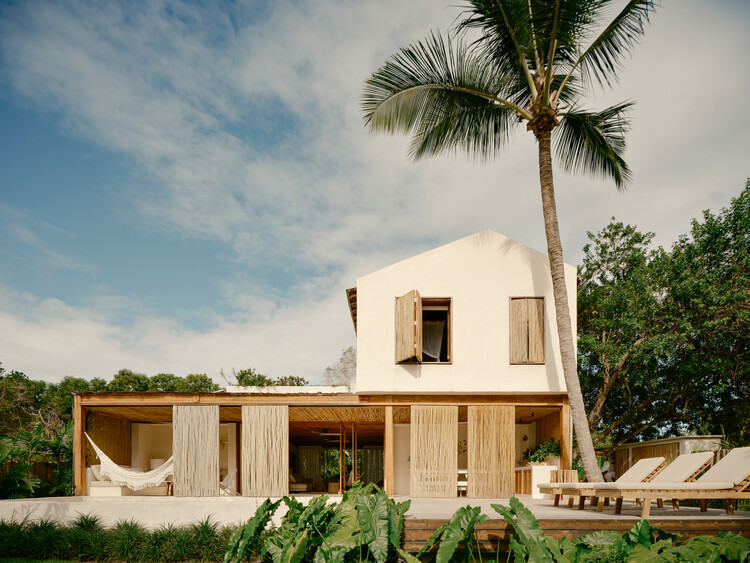
As a summer home, the architecture of Casa Bahia responds intimately to its environment and the relaxed, contemplative rhythm of seasonal coastal living. The design encourages a seamless dialogue between the interior spaces and the surrounding landscape, a hallmark of contemporary Brazilian residential design. Natural light floods the living areas, shifting dynamically throughout the day and casting warm shadows across exposed surfaces that highlight the rich textures chosen by the architect. The careful orchestration of openings frames views of lush greenery and external courtyards, blurring the boundaries between inside and outside and inviting nature to become an active participant in the home’s daily life.
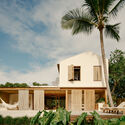
Materiality plays a starring role in the narrative of Casa Bahia. Martinez utilized a sophisticated, restrained palette that emphasizes authentic, tactile materials. Wood features prominently throughout the design, grounding the structure in warmth and organic beauty while paying homage to traditional craftsmanship and regional building techniques. The interplay of timber with other raw, honest materials creates a cohesive sensory experience. Rather than relying on applied decoration, the aesthetic power of the home derives entirely from the inherent qualities of its construction materials—their grains, textures, and the way they weather and patina over time under the tropical sun.
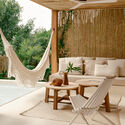
The spatial layout of the residence prioritizes flow, openness, and intimacy in equal measure. Public zones are designed to foster gathering and relaxation, featuring fluid transitions between indoor lounges, semi-covered patios, and open-air gardens. Private quarters offer a quiet retreat, maintaining the same minimalist rigor while providing a profound sense of shelter and calm. This thoughtful zoning ensures that the house can effortlessly adapt to lively summer gatherings or quiet, solitary moments of introspection.
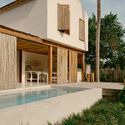
Captured brilliantly in Fran Parente’s photography, Casa Bahia reveals its architectural poetry through subtle details—the precise alignment of wooden panels, the gentle play of shadows across a patio floor, and the unpretentious elegance of the interior styling. The furniture and decorative objects selected for the home echo the overarching architectural thesis, favoring simplicity, local craftsmanship, and timeless design over fleeting trends.
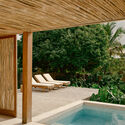
Ultimately, Casa Bahia stands as a deeply personal statement by Patricia Martinez. By turning her lens inward to design a home for herself, she has created a universal reflection on what it means to dwell essentially. The project not only enriches the portfolio of Patricia Martinez Arquitetura but also offers a compelling contribution to contemporary architectural discourse, demonstrating that true luxury lies in the careful curation of space, light, and material truth.