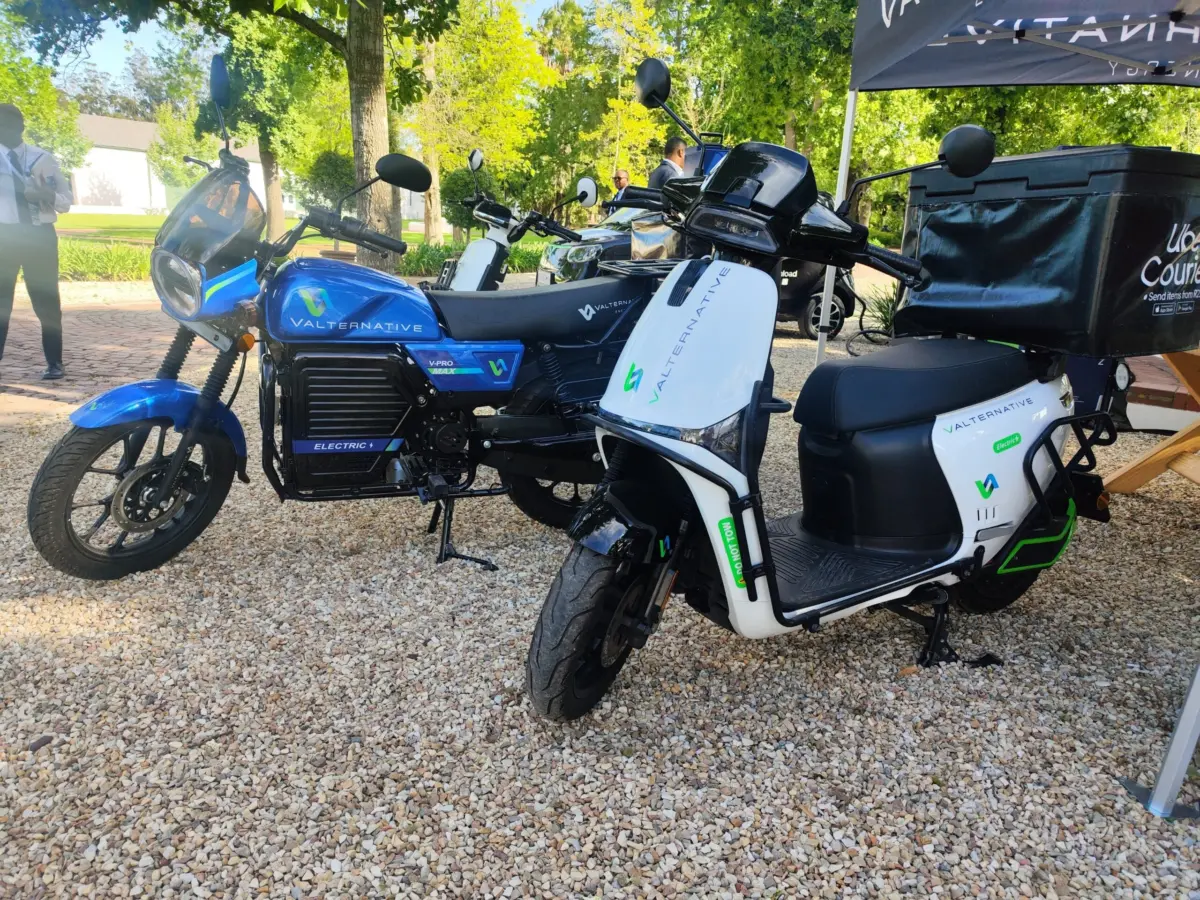
While a growing number of African nations are aggressively moving to catalyze the adoption of electric mobility through targeted financial and regulatory incentives, South Africa continues to lag behind. Across the continent, countries such as Malawi, Zambia, Rwanda, Mauritius, and Ethiopia have introduced comprehensive measures designed to accelerate the transition away from internal combustion engines. These progressive governments have successfully lowered market barriers by eliminating import duties and reducing taxes on electric vehicles, alongside offering similar fiscal relief for the installation of essential charging infrastructure.
In stark contrast, South Africa has yet to introduce any nationwide programs of a comparable scale. Compounding the challenge for local consumers and fleet operators, imported electric vehicles actually face higher import duties and associated taxes within South Africa when compared directly to their traditional internal combustion engine equivalents. This policy misalignment has created a unique hurdle for the domestic market, making the upfront cost of sustainable transportation prohibitively expensive for many prospective buyers and commercial operators alike.
Kenya shares a similar initial trajectory with South Africa, having largely avoided sweeping tax holidays or broad import duty eliminations for electric cars, trucks, and other personal vehicles. However, the East African nation has successfully implemented a highly strategic intervention that provides vital breathing room for the sector: a dedicated electricity tariff specifically tailored for electric mobility.
Kenya’s e-mobility tariff structure provides clear financial relief to operators by billing users KShs. 16 per kilowatt-hour, equivalent to roughly $0.12, during peak electricity consumption times. More importantly, the rate drops significantly to KShs. 8 per kilowatt-hour, or about $0.06, during off-peak hours. These preferential rates stand in sharp contrast to standard commercial tariffs, which hover closer to KShs. 20 per kilowatt-hour, or $0.15, and residential rates, which sit near KShs. 30 per kilowatt-hour, or $0.23. For commercial entities and public transport providers covering extensive daily distances, these energy cost savings translate into substantial operational margins.

Recent financial performance updates from Kenya Power offer a revealing look at how this dedicated e-mobility tariff program is contributing to the utility’s broader revenues. Kenya Power reported that its overall electricity revenue increased by KShs. 18.96 billion to reach KShs. 238.24 billion, while total electricity sales experienced a healthy 12% growth, rising from 11,403 gigawatt-hours in the previous fiscal cycle to 12,777 gigawatt-hours. Company leadership noted that this upward trajectory was heavily reinforced by enhanced revenue protection initiatives deployed throughout the year.
Of particular note within these financial results was the steady growth in electricity sold directly to registered participants in the electric mobility sector. Revenue from this specific segment climbed from KShs. 65.6 million in 2025 to KShs. 185.3 million in the 2026 financial year. Market analysts point out that these figures exclusively capture commercial customers formally registered on Kenya Power’s official e-mobility metering platform. A significantly larger volume of energy is undoubtedly being consumed by individual homeowners and localized businesses operating electric cars, two-wheelers, and delivery pickups that have yet to officially transition onto the specialized tariff tier.
Further strengthening Kenya’s e-mobility ecosystem is a recent regulatory adjustment concerning consumption thresholds. Previously, consumers utilizing the specialized e-mobility tariff were restricted by a strict monthly consumption cap of 15,000 kilowatt-hours. This limit proved overly restrictive for large-scale commercial fleet operators running heavy electric bus networks or expansive motorcycle battery-swapping stations. Recognizing this bottleneck, the Kenyan government officially removed the cap, empowering large fleet operators to scale their operations and fully capitalize on the preferential electricity pricing structure.
For industry observers analyzing South Africa’s policy vacuum, Kenya’s targeted approach presents an obvious blueprint. Because South Africa has been slow to introduce sweeping national fiscal incentives, adopting a specialized, lower-cost e-mobility tariff represents a low-hanging fruit for policymakers and utility providers. This sentiment is increasingly shared by major commercial players navigating the country’s energy landscape.
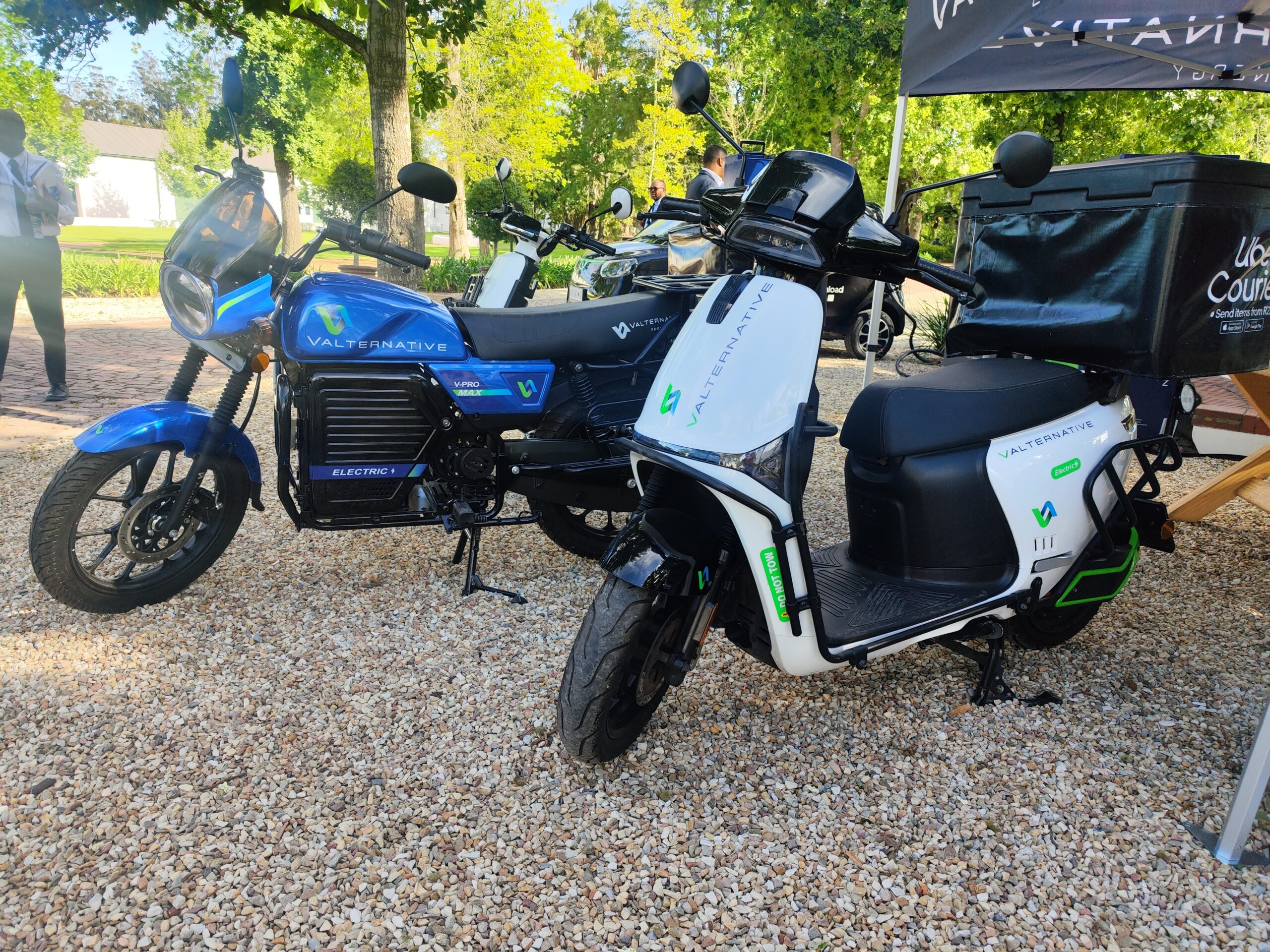
Speaking during a panel discussion at the recent Africa E-Mobility Week Forum held in Stellenbosch, South Africa, Gideon Neethling of Golden Arrow Bus Services emphasized the critical necessity of viable, supportive electricity tariffs for commercial fleet operators. Golden Arrow Bus Services, a foundational public transport provider with a 160-year operating history, manages a substantial fleet of 1,200 buses supported by a workforce of 2,500 employees. Currently, the company operates 120 electric buses alongside its traditional diesel fleet, with plans to introduce another 40 electric vehicles into active rotation in the near future.
Neethling highlighted that the operational energy savings realized through the deployment of their existing 120 electric buses have played a vital role in shielding daily commuters from the steep, compounding increases in diesel fuel prices. Expanding the proportion of electric buses within their fleet, backed by a supportive and predictable electricity tariff framework, would allow the company to provide even greater financial relief to passengers. Furthermore, scaling electric public transport would deliver massive secondary benefits to the broader national economy, including significant reductions in carbon emissions and a meaningful decrease in South Africa’s foreign currency expenditure on imported fuel.
A closer examination of Golden Arrow’s operational model reveals sophisticated load management practices. Neethling noted that the company draws approximately 40% of its total electricity consumption during standard rate windows, with the remainder of its charging schedule shifted heavily into off-peak hours and utilizing minimal power during peak periods. Additionally, the company has integrated a substantial solar array at its depot to supplement its energy needs.
Despite these proactive measures, localized electricity pricing structures present distinct financial challenges. Neethling acknowledged that the City of Cape Town implemented a comparatively modest, consumer-friendly electricity tariff hike of 7% for peak periods during the current financial year. However, because Golden Arrow limits its grid consumption during peak hours, this adjustment offers limited relief. Conversely, the municipality introduced a 9% tariff hike for standard rates and a steep 25% tariff increase for off-peak periods. Because off-peak hours represent the primary window during which the company charges its electric bus fleet, the aggressive tariff hike places considerable financial strain on operations. Neethling publicly called for a more accommodating and supportive electricity tariff regime that protects commercial operators from unsustainable cost burdens.

With rolling blackouts, or loadshedding, firmly in the past, industry advocates argue that the present moment offers an ideal window for Eskom, South Africa’s national electric utility, to reevaluate its pricing models and introduce dedicated e-mobility tariffs. Municipalities that purchase the bulk of their power directly from Eskom could subsequently mirror these structures locally.
Recent operational data underscores Eskom’s improving stability. The utility recently reported maintaining its strongest operational performance in six years, highlighted by a year-to-date Energy Availability Factor reaching 68.11%. This metric reflects sustained progress in fortifying national energy security and stimulating economic recovery. Bolstered by reduced unplanned outages, enhanced reliability across the generation fleet, and an impressive 80.49% year-on-year reduction in diesel expenditure, South Africa has successfully achieved more than 500 consecutive days without loadshedding. Specifically, the country recorded 504 consecutive days free of power cuts since May 16, 2025, demonstrating cumulative improvements in generation capacity and a diminished reliance on emergency backup resources.
Implementing a specialized e-mobility tariff framework in South Africa centered around attractive off-peak rates could powerfully incentivize electric vehicle owners to concentrate their charging habits during hours when grid demand is lowest, thereby optimizing overall grid management. Simultaneously, such a policy would serve as a broad catalyst for electric vehicle adoption across private and commercial sectors alike.
From a utility perspective, introducing a lower, competitive tariff across peak, standard, and off-peak windows—modeled after Kenya’s successful framework—could provide much-needed electrical demand for Eskom. Recent financial reports indicate a continued downward trend in overall domestic electricity consumption, with Eskom’s annual electricity sales falling by over 6% during the financial year. As the utility seeks to stabilize its revenue streams amidst evolving energy consumption patterns, actively incentivizing the burgeoning electric vehicle market could provide a mutually beneficial solution for both the national grid and the future of sustainable transportation in South Africa.