
Welcome to Monday, October 5, 2026, and your comprehensive daily briefing on the most important automotive headlines shaping the global industry. As supply chains shift, economic pressures mount, and the consumer landscape continues to evolve, automakers and regulators alike are forced to navigate a rapidly changing marketplace.
In today’s top stories, we examine the contrasting trajectories of electric vehicle adoption across the Atlantic, where the European Union continues to set sales records even as momentum fluctuates elsewhere. We also look at the broader industry pivot toward high-margin luxury trims, illustrated by GMC’s latest sales strategy, and explore the unfolding economic and political drama in the United Kingdom as Chinese automotive brands capture significant market share, prompting discussions around potential trade tariffs.
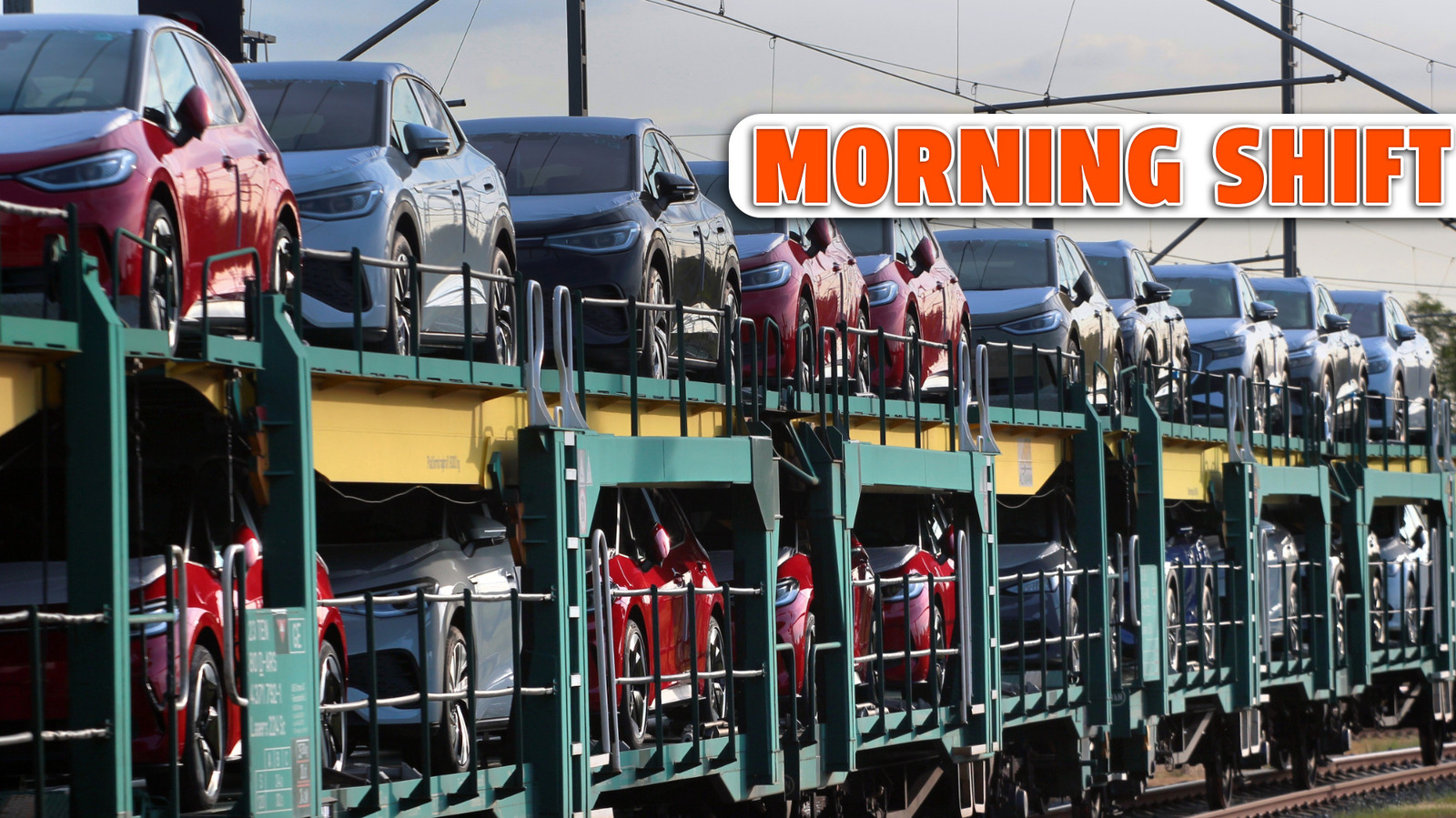
European EV Sales Surge to Record Heights Despite Global Headwinds
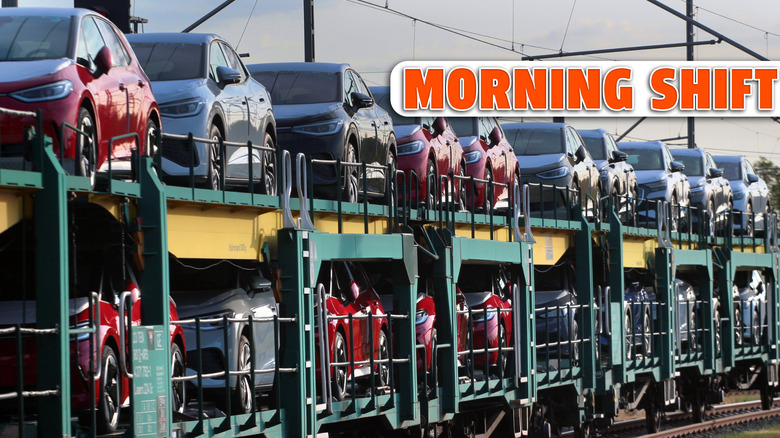
While adoption metrics for electric vehicles have faced speedbumps in other major markets, Europe’s transition toward electrification is gaining profound momentum. Rather than pulling back from clean-energy goals, the European Union is seeing robust consumer uptake, fueled largely by an influx of competitively priced models designed to help legacy manufacturers comply with strict regional emissions targets.
According to a comprehensive progress report published on Monday by the Brussels-based environmental advocacy group Transport & Environment, battery-powered vehicle sales across the EU reached historic volumes during the first eight months of 2026. Between January and August, a remarkable 1.64 million electric vehicles were sold, marking a 45 percent increase compared to the same period in the previous year.
During this timeframe, all-electric vehicles accounted for 22 percent of the total European car market, representing a significant six-point jump year-on-year. Industry analysts note that this shift is not merely driven by environmental consciousness or fluctuating fuel costs, but rather by the fundamental economics of modern vehicle ownership. As automakers introduce lower-priced EVs to the market, the long-term financial reality of sticking with internal combustion engines becomes less appealing for everyday drivers. Traditional gas-powered vehicles carry ongoing maintenance burdens—such as frequent oil changes, complex mechanical repairs, and routine brake servicing—that simpler, solid-state-adjacent EV architectures largely avoid.
GMC Leads Industry Push Toward High-Margin Luxury Trims and Higher Prices
As broader economic pressures squeeze household budgets, traditional purchasing power has become a central concern for major original equipment manufacturers. Prospective buyers who might typically purchase entry-level vehicles are increasingly priced out of the new car market or are turning instead to used alternatives, rendering lower-margin segments less lucrative for major automakers. In response, global original equipment manufacturers are increasingly prioritizing profitability over sheer sales volume, shifting their capital and marketing resources toward high-dollar models tailored to affluent buyers.
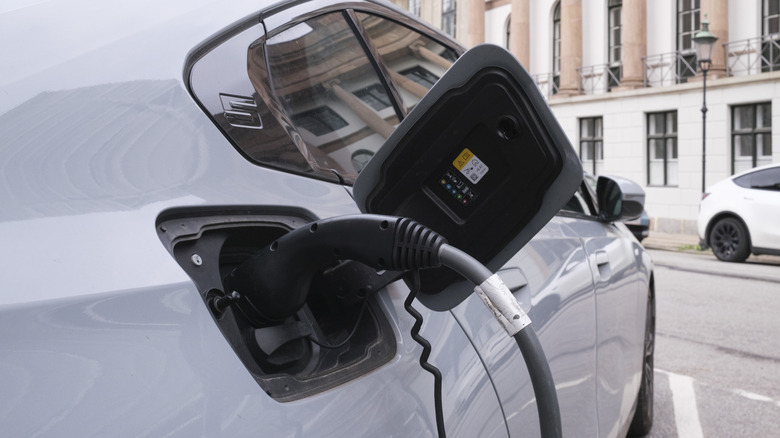
A prime example of this ongoing industry trend is General Motors’ GMC brand. Premium Denali variants and rugged off-road AT4 trims now account for fully half of all GMC sales. This strategic emphasis has successfully bolstered the brand’s profitability, even as General Motors sees its traditional domestic sales lead over competitors like Toyota narrow.
The popularity of these high-end trims propelled retail sales of the flagship Sierra 1500 pickup truck to an all-time high during the third quarter. According to data compiled by Cox Automotive for July and August, GMC’s average transaction price soared past $66,000, placing it above the average transaction prices of numerous established luxury brands, including Audi, Lexus, and Volvo.
Looking ahead, GMC leadership indicates that the brand plans to maintain this path of sustained growth by deliberately targeting premium consumers and off-road enthusiasts. This approach mirrors shifts happening across the wider automotive ecosystem. Luxury and low-volume manufacturers alike are doubling down on exclusive, high-cost models for the ultra-wealthy, reflecting a broader structural transformation in how automakers extract revenue from a constrained consumer base.
Britain’s Bestselling Car Shakes Up the Market With Chinese Imports
In the United Kingdom, consumer preferences are shifting rapidly as a new wave of Chinese automotive brands establishes a formidable presence. British motorists are increasingly embracing these newer market entrants for a straightforward reason: they offer the build quality, technology, and interior finish associated with long-established legacy marques, but at price points traditionally expected from upstart brands trying to gain a foothold.
Data from Schmidt Automotive Research highlights the scale of this shift, showing that during the first half of 2026, nearly one in every six cars sold in Britain bore a Chinese brand name—a higher market concentration than in any other European nation save for Norway. Furthermore, the Jaecoo 7, manufactured by China’s Chery Automobile, emerged as the bestselling vehicle in the U.K. during September, a historically crucial sales month for the British automotive calendar.
Overall vehicle imports from China into the U.K. have nearly doubled this year compared to the same period in 2025. Facing a cooling domestic market at home, Chinese manufacturers have aggressively expanded their export strategies to seek growth overseas. For British consumers, the value proposition of receiving high-end features and modern design without paying traditional luxury premiums has proven difficult to resist.
The U.K. Eyes Potential Tariffs in Response to Surging Chinese Imports
The rapid influx of competitively priced vehicles has created growing political friction within the United Kingdom. Alarm bells among domestic policymakers and industry stakeholders have been triggered by the swift market penetration of these imports, leading authorities to actively consider defensive trade measures.
According to reports from British media outlets, government officials are currently examining a package of potential trade tariffs aimed specifically at Chinese electric vehicle imports. Business Minister Jonathan Reynolds has reportedly been tasked with drafting these measures amid mounting concerns that Chinese manufacturers are benefiting from state subsidies and subsequently "dumping" under-priced vehicles into the British market.
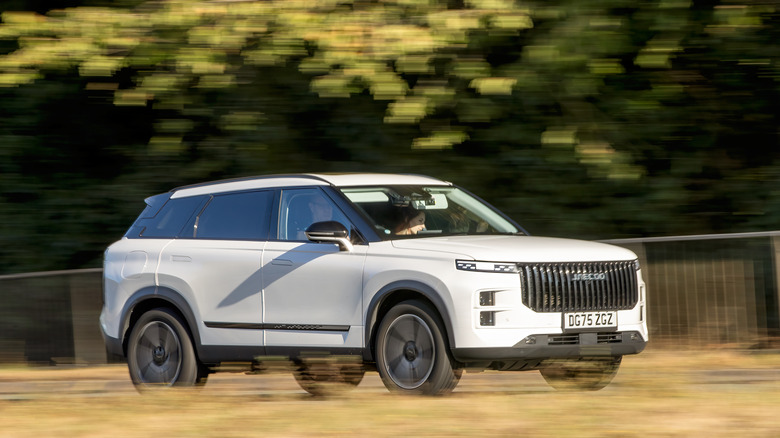
Interestingly, while the policy discussions frequently target electric technology under the banner of protecting local industry, many of the specific models capturing significant market share—such as certain configurations of the popular Jaecoo lineup—are offered primarily in internal combustion or hybrid variants rather than pure electric forms. Nonetheless, implementing regulatory scrutiny and trade barriers under the framework of protecting domestic infrastructure against subsidized foreign technology remains a powerful and easily communicated policy approach for authorities navigating the changing geopolitical and automotive landscape.