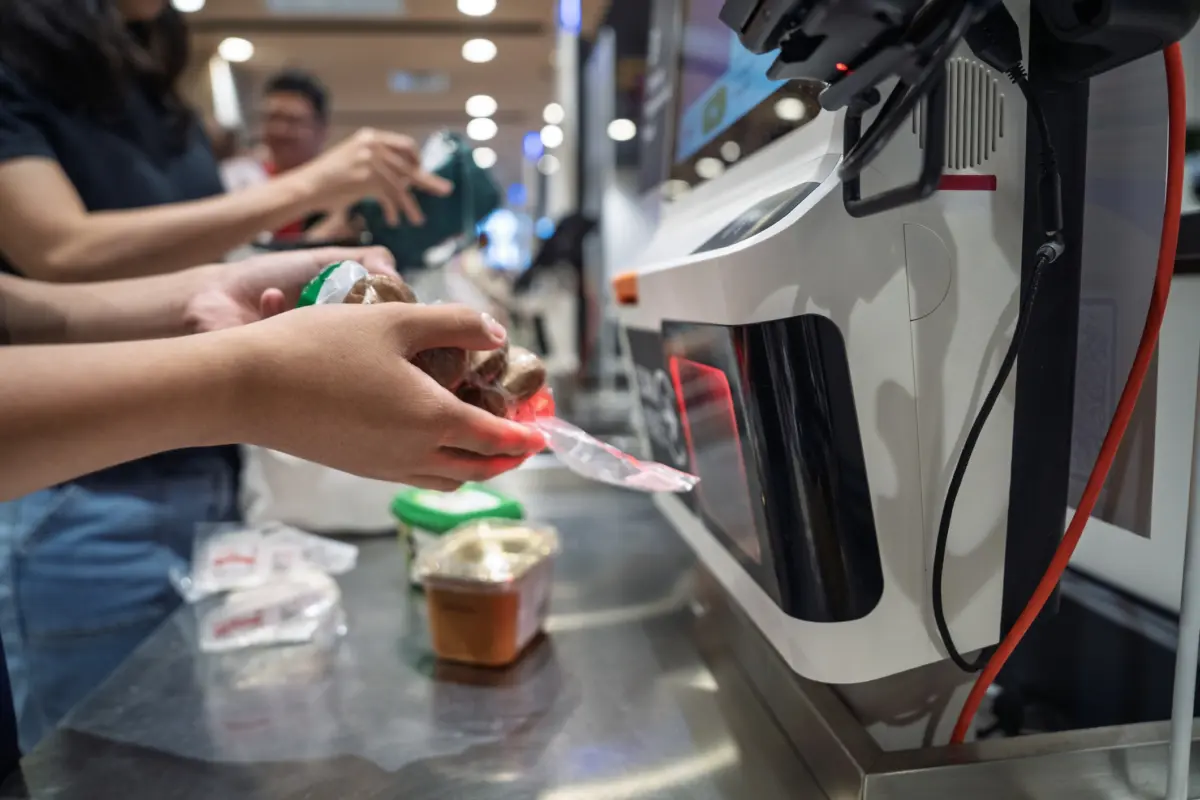
If you have ever stood in the glow of a flickering self-checkout screen, struggling to scan a head of lettuce while an “unexpected item in the bagging area” alert blared at you, you are far from alone. For years, shoppers have grumbled about the transition from human-staffed lanes to automated kiosks. Now, it appears that retailers—the very companies that championed this technology as the future of commerce—are reaching the same conclusion: self-checkout was, in many ways, a failed experiment that neither saved time nor improved the customer experience.
The tide of retail technology is shifting rapidly. According to the 2026 Voice of the Retail Industry Survey, which polled 340 retail leaders, only 36% of companies now plan to invest in self-checkout systems. This figure marks a significant seven-point decline from the previous year. Perhaps most telling is that among all the technological trends currently being explored by the retail sector, self-checkout is the only one losing momentum, standing out as the least popular investment for the coming years.
The Illusion of Efficiency
The primary selling point for self-checkout kiosks was always efficiency. Retailers promised shorter lines and faster transactions, framing the move as a way to streamline the shopping experience. However, the reality has consistently failed to match the pitch. The inefficiency of the system is not a new discovery; in fact, a Kroger executive famously admitted as far back as the late 1980s that having customers scan their own items takes longer than having a trained professional do it.
The psychological trick behind self-checkout is that it feels faster to the shopper because the customer is actively engaged in the process. When a person is standing idle in a queue, every minute feels like five. When that same person is scanning, bagging, and managing payment, their brain is occupied, creating the illusion of speed. In reality, the average shopper is far slower and significantly more prone to errors than a cashier. A 2021 survey of consumer habits revealed that more than two-thirds of shoppers have encountered significant technical snags or frustration while using these machines. From weight sensor malfunctions to the inability to verify age-restricted items, the “convenience” of self-checkout often devolves into a series of minor, irritating interruptions.
The Problem of Shrink and Security
Beyond the inefficiency, retailers are grappling with a much more expensive problem: theft. In the retail industry, inventory loss is referred to as "shrink," and self-checkout has proven to be a massive catalyst for it. Theft occurs through two primary channels: malicious, intentional shoplifting and accidental errors.
Intentional theft at self-checkout has become a widespread issue. Whether it is skipping items, mislabeling expensive produce as cheaper alternatives, or simply walking out without paying, the lack of human oversight makes these kiosks a prime target. Furthermore, accidental errors—where a customer genuinely fails to scan an item correctly or forgets a bag under the cart—contribute heavily to losses. For years, stores attempted to mitigate this with high-tech cameras and AI-driven monitoring, but the cost of the technology, coupled with the ongoing losses, has led many executives to decide that the traditional cashier model is simply more cost-effective.
A Industry-Wide Pivot
The result of these compounding issues is a noticeable reversal in retail strategy. Major chains that once pushed aggressively toward full automation are now walking back those initiatives. Walmart, the world’s largest retailer, has begun to shift its focus, adding more staff to supervise and manage self-checkout areas to ensure accuracy and reduce theft. Similar moves are being seen at major players like Costco and Kroger, both of which are prioritizing human interaction to improve the flow of traffic and secure their inventory.
Some retailers have taken even more drastic measures. Dollar General, which previously invested heavily in kiosk technology, made the strategic decision in 2024 to remove self-checkout machines from approximately 12,000 of its stores. Other retailers have opted for a "middle ground" approach. Target, for instance, has implemented a policy capping the number of items allowed in self-checkout lanes to 10. By limiting the volume of goods, the store reduces the likelihood of scanning errors and speeds up the process for those with only a few items, while simultaneously directing larger shopping trips back to traditional, human-staffed registers.
The most extreme example of this retreat may be the collapse of the "cashierless" store model. Amazon, which generated massive headlines with its “Just Walk Out” technology—designed to allow customers to grab items and leave without any formal checkout process—eventually pivoted away from the concept. The initiative faced skepticism after reports surfaced that the technology, which was touted as being powered entirely by sophisticated sensors and AI, was actually being supported by a large team of workers in India who were manually verifying the transactions remotely. The revelation that the “automated” future was being propped up by low-wage manual labor served as a sobering reality check for the industry.
Reassessing the Future of Retail
The retreat from self-checkout does not necessarily mean that technology has no place in the future of retail. However, it does signify a major recalibration. Retailers are learning that customer satisfaction is not solely dependent on speed or automation; it is deeply tied to the quality of the interaction. Shoppers have repeatedly expressed that they value the human connection and the seamless efficiency of a trained cashier, especially during peak hours or when dealing with complex transactions.
The 2026 survey data suggests that while retailers are still interested in AI and other technologies, they are becoming far more discerning about where and how those tools are applied. The era of blindly automating every aspect of the store front appears to be coming to an end. Instead, there is a renewed emphasis on "frictionless" shopping that balances technology with the necessary oversight of human staff.
As major chains continue to pull back or modify their self-checkout programs, the retail environment is slowly returning to a more balanced state. The shift represents a rare instance where the complaints of the consumer—that self-checkout is impersonal, slow, and prone to error—have aligned perfectly with the bottom-line concerns of the corporation. For now, it seems the human cashier is making a quiet, necessary comeback, proving that some aspects of the service industry are better left in human hands. Whether this trend continues will depend on how quickly retailers can redesign their stores to prioritize the shopping experience over the temporary promise of cost-cutting automation. One thing remains clear: the days of the "self-checkout-only" store are, for the foreseeable future, numbered.