Melitta Baumeister, whose ongoing collaboration with athletic footwear and apparel giant Nike continues to perform exceptionally well commercially and critically, has turned her attention toward a new intersection of physical exertion and sartorial creation for her latest spring collection, designed specifically for what she terms "artletes."
The designer’s conceptual approach for the season draws a direct parallel between the relentless physical discipline required in sports and the painstaking dedication demanded by high-end fashion design. Discussing the collection during a recent Zoom call with industry press, Baumeister elaborated on the philosophical foundation underpinning the garments. She explained that she felt a profound connection between how craftsmanship operates and the fundamental nature of athleticism. According to the designer, achieving excellence in any discipline requires immense repetition and continuous effort. To be truly good at anything, one must immerse themselves in the practice repeatedly, mirroring the rigorous training schedules of professional athletes.
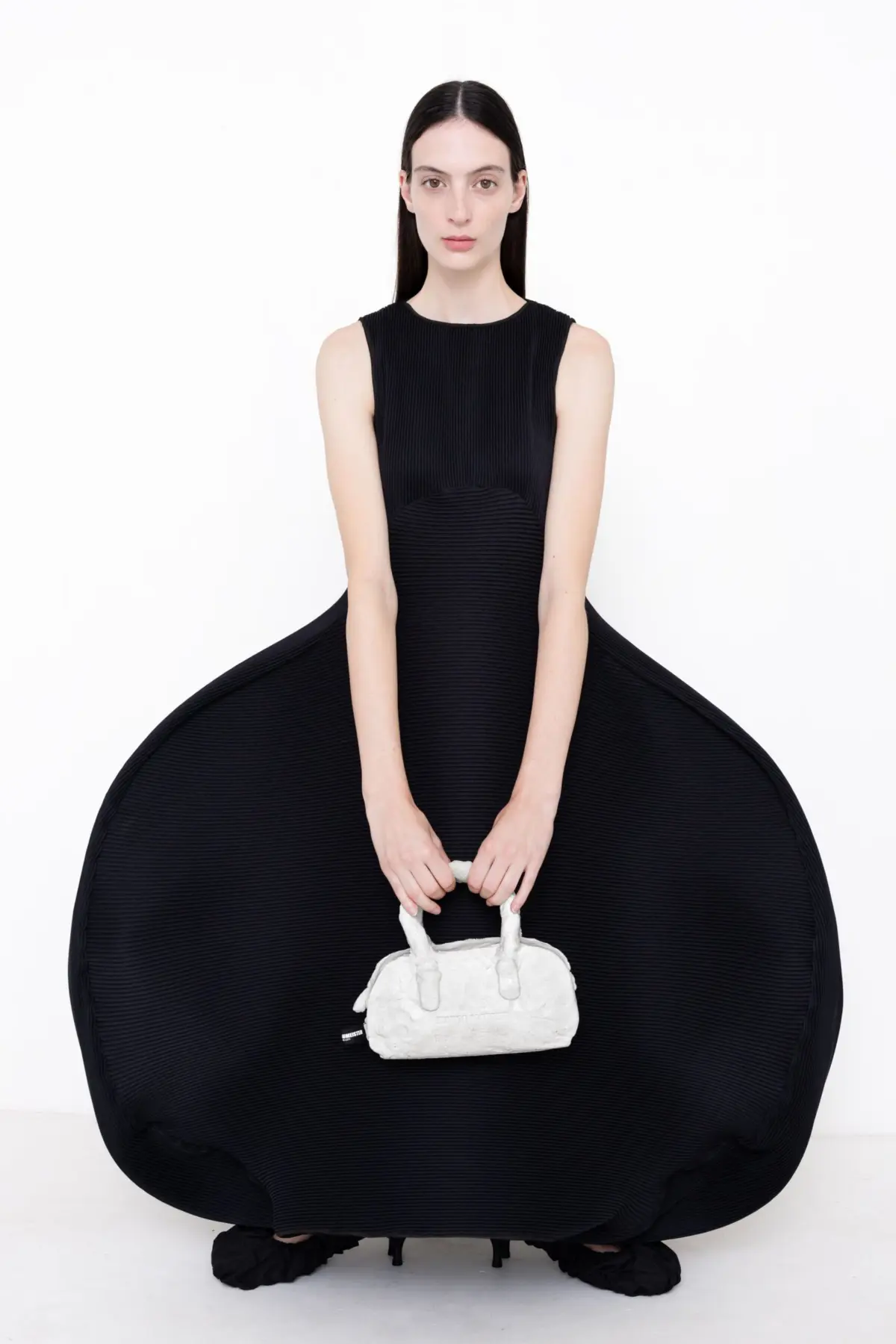
This dedication to physical execution and material mastery translated onto the runway through a series of striking, sculptural silhouettes that deliberately cut through the monotonous aesthetic sameness currently dominating the seasonal landscape. Among the standout pieces was a vibrant sour apple green dress that achieved its signature voluminous ball shape through a complex arrangement of pleats positioned at varying, calculated angles. The architectural integrity of the garments was further enhanced by the use of wired hems and necklines, which imparted a graphic, asymmetric quality that seemed to defy gravity. Additionally, structured foam was deployed to give sharp, defined form to small cap-sleeved jackets adorned with classic Peter Pan collars, balancing architectural innovation with traditional tailoring motifs.
The collection also heavily featured body prints across multiple garments, serving as a direct nod to the central role of the human form in both athletic performance and the construction of clothing. While this conceptual choice was logically sound and deeply tied to the overarching theme of the season, it occasionally threatened to cross into gimmicky territory, momentarily distracting viewers from the sheer boldness and precision of the garment cuts. Despite this, other design elements grounded the collection firmly in practical reality, most notably the introduction of above-the-knee hemlines. These shorter cuts were born out of Baumeister’s personal lifestyle and exercise regimen during the warmer months. She noted that as an avid cyclist over the summer, she frequently found her signature voluminous skirts to be entirely too long for the activity, leading her to constantly tack them up out of the way. This functional adjustment shifted her perspective on age and wardrobe choices, leading her to conclude that one does not need to belong to a specific younger demographic in order to wear and appreciate short skirts.
Throughout the design process for this collection, Baumeister has made a conscious, continuous effort to lighten the physical weight of her traditionally heavy sculptural designs. By reducing the overall weight of the garments, she aims to make her avant-garde creations significantly easier for wearers to sport in the course of their day-to-day lives, bridging the gap between museum-piece fashion and functional daily attire. This engagement with the realities of everyday materiality remained at the forefront of her creative process. In the contemporary sociopolitical and cultural climate, she observed, it is becoming increasingly vital for consumers to tangibly recognize and appreciate that physical objects are genuinely made by hand. Baumeister expressed a deep personal connection to this tactile methodology, asserting her belief that traditional craft is steadily gaining importance as mass-produced, digital-first items saturate the global market.
In direct response to this philosophical stance, the designer crafted a series of pieces featuring an innovative form of fringe constructed from hand-shaped appliqués. This dedication to tangible, manual creation culminated in some of the collection’s most memorable conceptual accessories and finale items, including prop bags made of actual clay and a fully wearable jacket constructed from a lighter, pliable air clay, which served as the final look of the presentation. This closing ensemble functioned as a true hero piece, destined to have a complete outfit molded directly around its unique, handcrafted structure.