To the casual observer, the Walt Disney Company often seems to operate on a kind of corporate alchemy. The brand frequently invokes the word "magic" to describe everything from its sprawling theme parks to its global cinematic reach. It is a convenient, hand-wavy term that makes the Herculean task of managing one of the world’s largest and most complex organizations sound as though it were fueled by nothing more than pixie dust and good intentions. However, a closer look at the actual mechanics of the company reveals a reality far more grounded in rigorous training, intentional culture-building, and a corporate structure that treats failure as a vital component of future success.
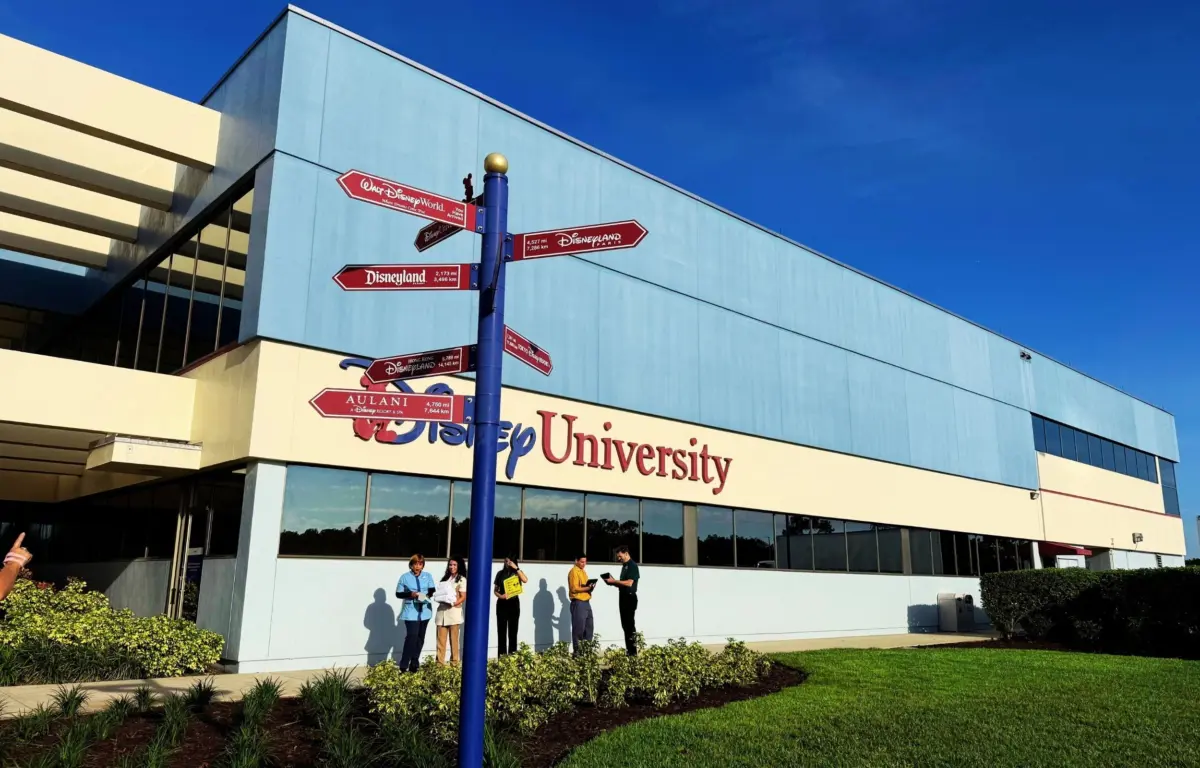
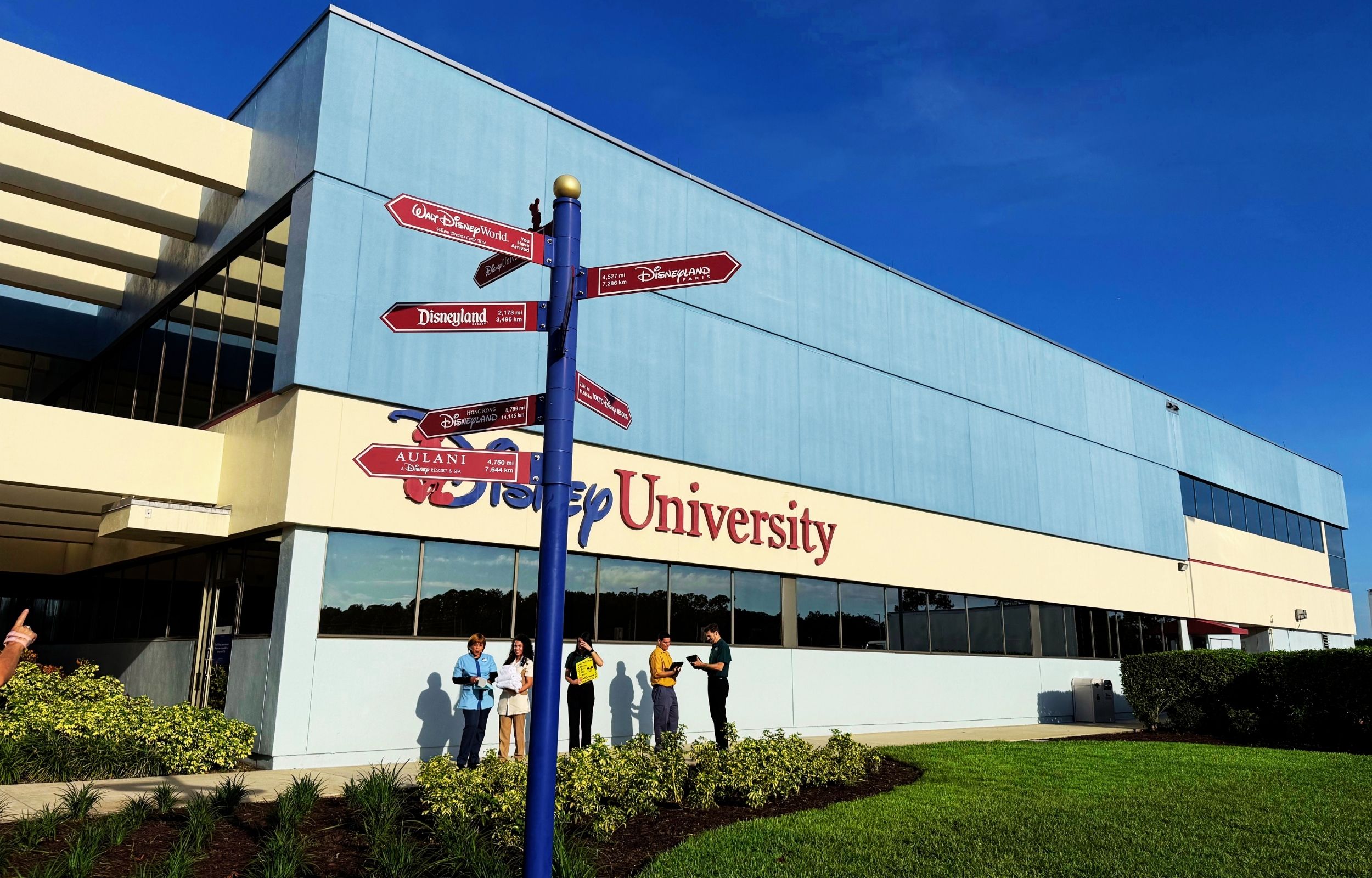
A recent visit to "Disney University" in Florida—the epicenter where the company prepares its "cast members" for roles ranging from luxury hotel housekeeping to the management of massive, intricate logistics systems—offered a rare glimpse behind the curtain. Disney operates at a scale that few businesses on the planet can truly comprehend, yet the core philosophies driving its training programs are surprisingly straightforward. These are not secret recipes reserved for multinational conglomerates; they are foundational principles that any entrepreneur, regardless of the size of their operation, can adapt to foster excellence.
Embracing the Power of the Rehearsal
One of the most striking aspects of the Disney University experience is a practice that feels remarkably similar to the eccentric, high-stakes social experiments famously chronicled in Nathan Fielder’s television work. Tucked away within the facility are carefully constructed, artificial hotel rooms and mock lobbies. Here, housekeepers practice the art of resetting a room down to the last fold of a towel, and front-desk staff role-play high-pressure check-ins or complex concierge requests.
This commitment to the "rehearsal" is a strategic acknowledgement that human beings are prone to error. By allowing cast members to practice their tasks in a realistic, low-stakes environment, Disney effectively irons out the bugs before a guest ever steps into the picture. It is a method designed to protect the "magic" from the reality of human fallibility. For the smaller business owner, the lesson is clear: do not allow a high-potential employee to face their first high-stakes interaction without the benefit of practice. While some thrive in "sink-or-swim" environments, the reality is that many talented individuals are better served by the opportunity to stumble, correct their course, and refine their approach in a controlled, safe setting. By creating a sandbox for mistakes, leaders can ensure that those errors never cost them a customer.
Defining the Mission Beyond the Job Description
The heart of the Disney University experience is a program known as "Traditions," an orientation seminar that serves as the bedrock of the company’s culture. While an outsider might view such an orientation as a mere exercise in morale, it serves a critical, practical function: aligning the decision-making processes of thousands of employees working in wildly disparate roles.
The goal of these sessions is not to have staff memorize a sterile mission statement, but to provide them with a shared North Star. When a situation arises that isn’t covered by a handbook—a dropped ice cream cone, a child in distress, a sudden ride closure, or a sensitive guest request—an employee must rely on their judgment. By instilling the common goal of "creating happiness," Disney gives every cast member a framework for navigating uncertainty.
This principle is essential for maintaining consistency across a massive organization. A parking attendant, for example, is far more than a traffic director; they are often the very first interaction a guest has, and their demeanor sets the stage for the entire day. Custodial staff, while responsible for the cleanliness of the parks, are also de facto wayfinders and ambassadors. When every employee understands that their specific function serves a broader, shared purpose, the company becomes more resilient. For smaller firms, this is particularly vital. Organizations often fail when tasks fall into the "cracks" between job descriptions because an employee believes a problem is "not their job." A culture that prioritizes the larger organizational goal encourages staff to take ownership, whether that means an engineer flagging a bug or a non-sales employee ensuring a prospective client’s inquiry reaches the right department.
The Rigor of Extreme "Dogfooding"
Disney’s approach to its workforce is perhaps best exemplified by its massive costuming operation. With over 46 locations, 1,500 dedicated staff, and a staggering 2.5 million garments in circulation, the scale of keeping tens of thousands of employees in character is monumental. To maintain quality at this size, the company leans heavily into "dogfooding"—the practice of using one’s own products—but takes it to an extreme level.
"Dogfooding" is a staple of startup culture, but in its most basic form, it is often performative. At Disney, the practice is diagnostic. It involves testing products under the most grueling, likely-to-fail conditions. For the costuming team, this means designers and developers spend hours in the Florida heat and humidity wearing the very costumes they create. They do not just design for the boardroom; they design for the realities of a 90-degree day.
This approach reveals flaws that would never be detected in a climate-controlled studio. Furthermore, Disney proactively solicits feedback from the cast members who wear these garments for eight hours a day. By listening to the people on the front lines, the design team can implement specific innovations, such as four-way stretch, breathable fabrics, or adjustable hems for wet weather. The lesson here for any business is to treat your most frequent users as part of the development process. Whether you are building software that needs to run on an old, glitchy phone or manufacturing hardware that needs to survive the abuse of airport baggage handlers, you must subject your product to the conditions your users actually face. If you make it easy for your customers and employees to "talk back," you turn the people living with your product into your best quality-assurance team.
Looking Sideways for Internal Talent
Finally, Disney’s structure reveals a powerful truth about human capital: the best person for a high-level role may already be on your payroll, just in a department you hadn’t considered. Because Disney encompasses such a vast array of businesses—from transportation and logistics to fine dining and high-tech engineering—it offers unique internal mobility.
Ivan Diaz, the current director of transportation services, is a prime example. He began his tenure in a technical capacity before being identified for a leadership role in an entirely different sector of the company. His career trajectory highlights that a job title is rarely the ceiling of an individual’s capabilities. For smaller companies, the lesson is to look "sideways" for talent. Often, the institutional knowledge and cultural alignment of a current employee are more valuable than the specific technical skills of an external hire. By fostering internal growth and keeping an eye on the untapped potential within the organization, leaders can build a more adaptable and loyal workforce, ensuring that the "magic" of their operations is fueled by the people who know the business best.