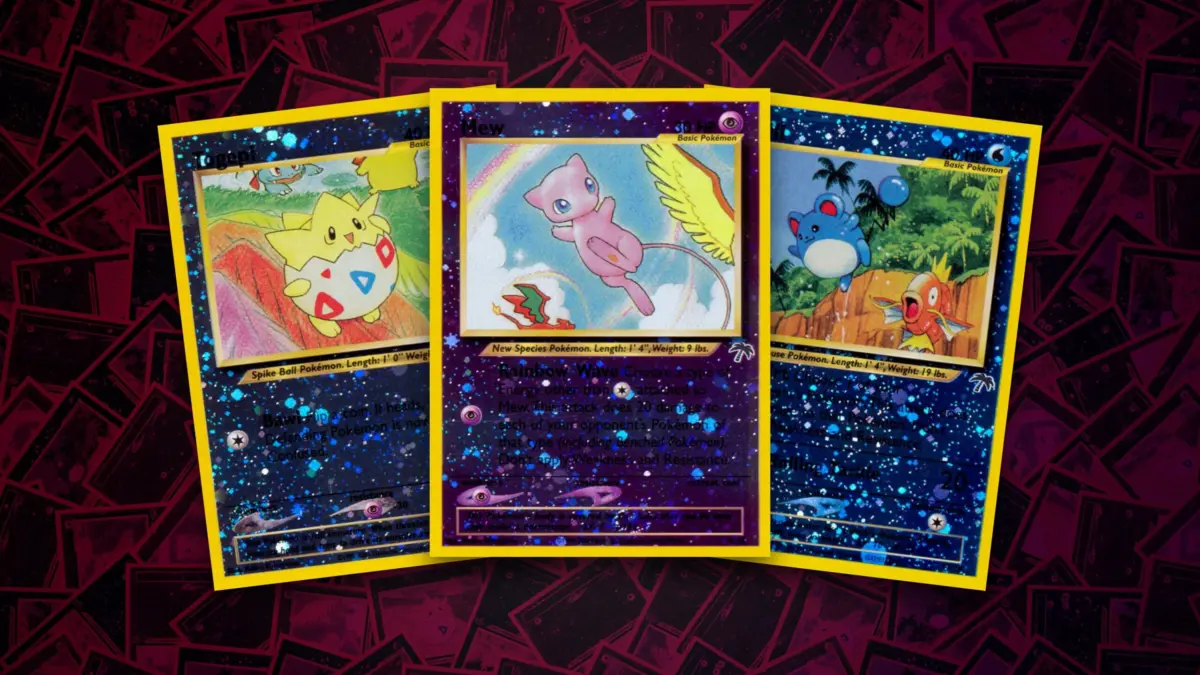
Paradise does not come cheap in the world of high-end collectible card games. There is no shortage of stunning, high-end graded Pokémon Trading Card Game cards setting records on a weekly basis across the secondary market. Yet, every so often, a specific collection of cards emerges that demands special recognition due to its profound historical significance, tremendous scarcity, or sheer aesthetic beauty. The English Southern Islands promotional set, originally released in 2001, firmly embodies all of those qualities.
The recent auction performance of three pristine, graded specimens from this historic collection has once again turned the spotlight back on the vintage era of the hobby. A trio of cards featuring Mew, Togepi, and Marill recently pulled in a combined total of nearly $1.2 million at a major industry auction, underscoring the enduring appeal of one of the most uniquely packaged expansions in Pokémon TCG history.
A Unique Release Rooted in Cinema and Art
The Southern Islands collection was an unusual release from its very inception. The collection first appeared in Japan in 1999 alongside the theatrical release of the second Pokémon feature film. At the time, its 18 cards were divided cleanly between two themed portfolios known as Tropical Island and Rainbow Island. Additionally, smaller three-card subsets were released, with each sub-collection focusing on a particular area of one of the two islands. When placed side by side, these cards formed a larger, cohesive panoramic scene.
This interconnected artwork remains a massive component of Southern Islands’ enduring appeal. Prolific Pokémon TCG illustrator Naoyo Kimura handled the artwork for the Tropical Island scenes, while Keiko Fukuyama managed the illustrations for Rainbow Island. Each individual card essentially serves as a single puzzle piece of a much larger landscape, a design choice that set the mini-set apart from standard booster-pack expansions.
When Wizards of the Coast eventually brought the collection to English-speaking markets in 2001, all 18 cards were packaged together inside a specially decorated folder alongside promotional postcards and three booster packs. Crucially, the release preserved the original, highly distinct island art style that made the Japanese debut so memorable. The holographic treatment is also particularly striking, featuring shimmering swirls and sparkling patterns that blanket nearly the entire surface of the card rather than remaining neatly confined within the central artwork box, giving the illustrations a unique visual depth.
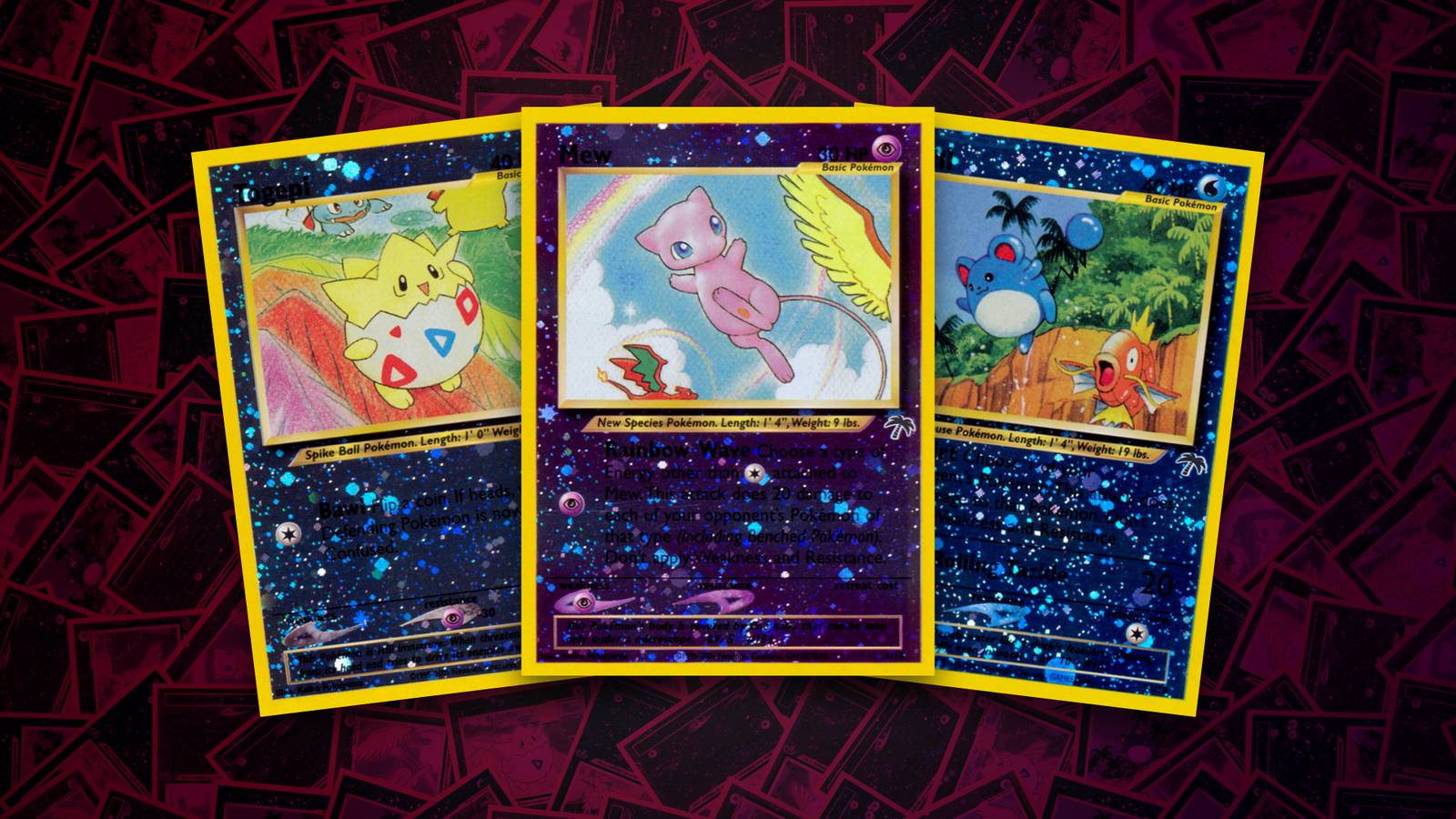
PSA 10 Southern Islands Holo Mew #1 — $840,000
Highlighting its extraordinary collectability and the fierce devotion of the global fanbase, the Southern Islands Holo Mew reigns supreme as the most valuable card from the set. This dominance is definitively underscored by its sky-high $840,000 price tag for a pristine PSA 10 Gem Mint slab.

While Naoyo Kimura maintains a far longer and more prolific career within the Pokémon TCG, Keiko Fukuyama’s artistic contributions to the Southern Islands set are arguably among the most memorable. Fukuyama’s deeply saturated colors and soft, almost chibi-like art style—exemplified by Pidgeot’s softened features and subtle dark eyeliner elsewhere in the set—lends a distinct charm to the release. That unique aesthetic certainly suits this highly desirable Mew grail, which also notably features a tiny rendering of Charizard tucked into the bottom-left corner of the card’s border.
With only 20 known PSA 10 copies of the Southern Islands Holo Mew in existence worldwide, seeing a top-tier specimen command a massive six-figure sum aligns with broader market trends. Vintage grails, alongside major milestones like the most valuable cards from the Pokémon TCG: 30th Celebration releases, have commanded intense collector attention.
PSA 10 Southern Islands Holo Togepi #4 — $168,000
While significantly lower than the astronomical figure commanded by Mew, a $168,000 sale price for a Holo Togepi remains a deeply impressive milestone for the hobby. Like its mythical counterpart, this card showcases the distinctive artwork of Keiko Fukuyama, who illustrated only 20 cards throughout her entire Pokémon TCG career. Rainbow Island accounted for several of those illustrations, while Fukuyama also contributed a number of gorgeous e-Reader-era cards from highly sought-after sets like Expedition, Aquapolis, and Skyridge.
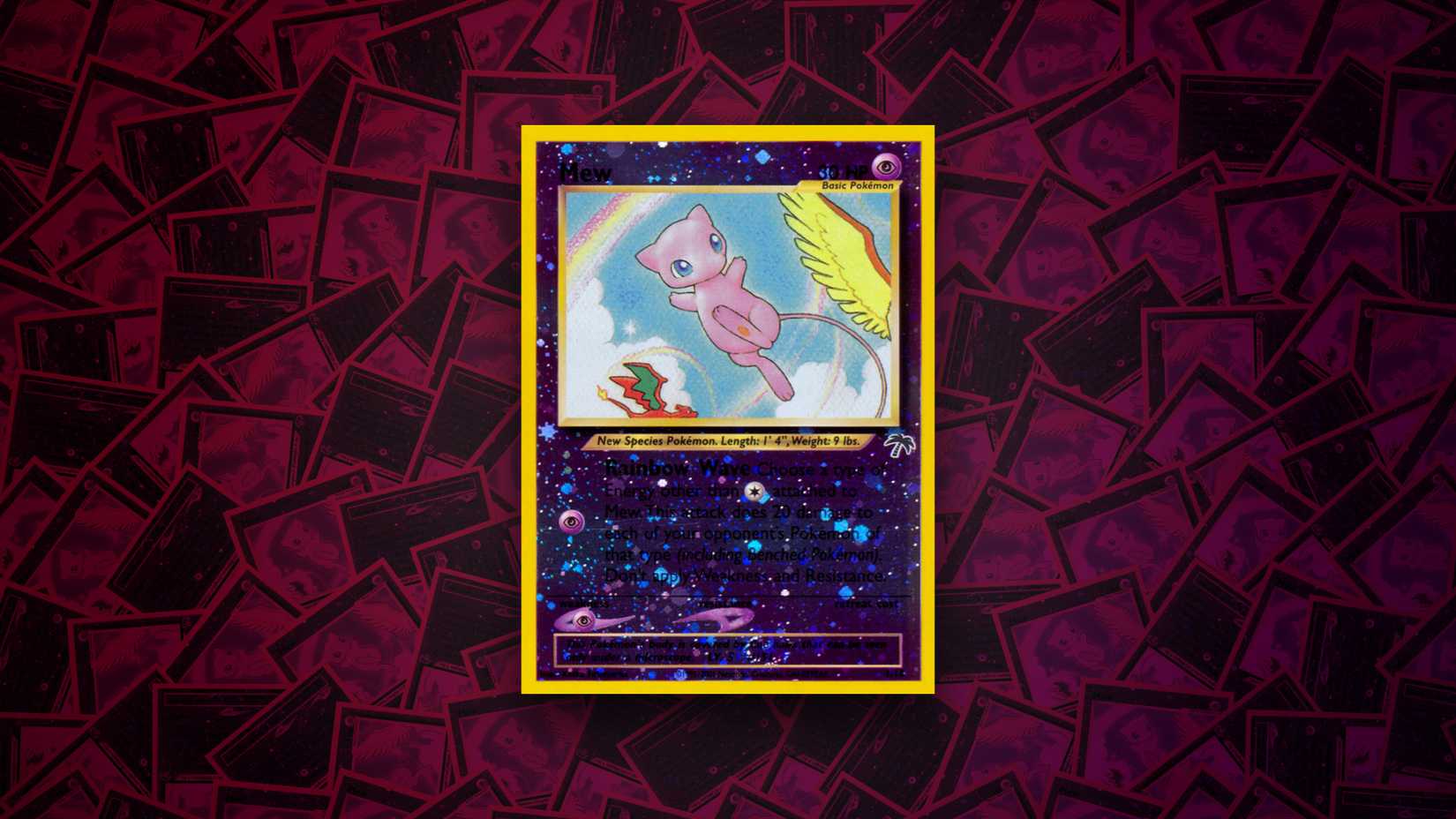
While this Togepi slab does not challenge the heights of the second-most valuable Pokémon card of all time—an Art Academy Pikachu that recently commanded $8.4 million at auction—securing $168,000 for a sometimes-overlooked "Baby Pokémon" from a promotional set demonstrates the incredible depth of the vintage market.
PSA 10 Southern Islands Holo Marill #11 — $168,000
Long before ravenous fans learned this specific Pokémon’s official name, it was billed unofficially by the community as "Pikablu" due to its physical resemblance to the franchise’s iconic Electric Mouse. Over time, the concept of the "electric rodent" sub-family became a codified staple of the Pokémon universe, anticipated by fans with the release of each new generation of video games.
This staggering PSA 10 Marill slab retains the beautiful reverse cosmos holographic foiling that typifies the Southern Islands holo subset. Notably, this card stands out as the only one among the three top-tier auction heavyweights illustrated by Naoyo Kimura. Kimura’s legendary artistic touch is well-documented; notably, his iconic illustration for the Aquapolis Lugia recently helped propel that card to a massive $360,000 result during the same auction block.
An Eminently Collectible Island Paradise
The Southern Islands collection has always occupied an unusual, specialized corner of the Pokémon TCG landscape. Lacking the nostalgic, booster-pack-driven pedigree of the Base Set or the Neo series expansions, the set instead built its identity around a tiny, predetermined roster, interconnected panoramic artwork, and a packaging presentation unlike anything else Wizards of the Coast produced during its tenure managing the game. More than two decades later, those distinctive design choices have aged remarkably well.
While Mew’s extraordinary $840,000 result naturally captures the lion’s share of the headlines, the parallel $168,000 sales for Togepi and Marill speak volumes about the pervasive desirability of the Southern Islands set as a whole. When striking artistic design, a fascinating historical backstory, and a pool of deep-pocketed collectors converge, three relatively obscure promotional cards from 25 years ago can collectively command nearly $1.2 million at auction.