For millions of football fans worldwide, the start of a new season is synonymous with the purchase of a crisp, new replica shirt. It is a ritual that connects supporters to the sport’s biggest clubs—Arsenal, Liverpool, Celtic, and Real Madrid among them. Yet, a new investigation by BBC Sport has pulled back the curtain on the complex and often troubling supply chain that delivers these garments, revealing that the people sewing these shirts often earn less than £1 an hour in what have been described as "grim" working conditions.
The investigation traced the production of official kits to two major manufacturing hubs in Cambodia: the Bowker Garment Factory and Trax Apparel. While these facilities are responsible for producing the merchandise that fills club megastores, the reality inside the factory walls presents a stark contrast to the glitz and glamour of the Premier League. Through interviews with anonymous workers and the examination of internal documents, the investigation highlights a systemic issue of low pay, intense production targets, and grueling working environments.
Life on the Production Line
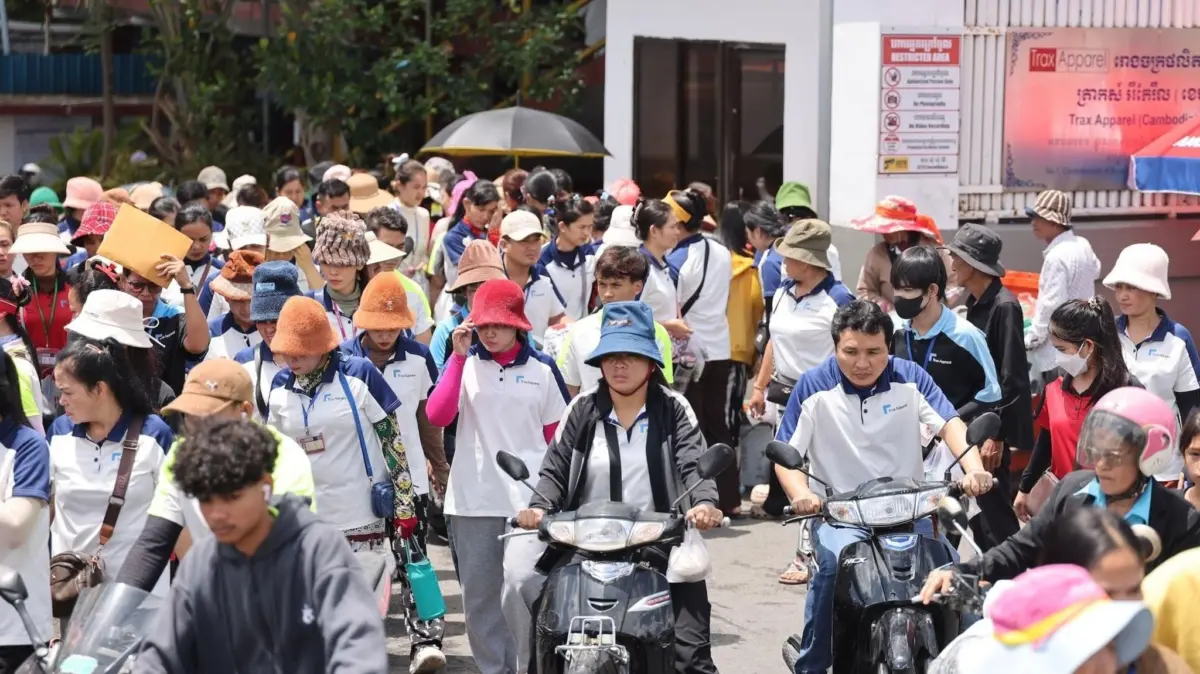
The journey of a football shirt begins thousands of miles away from the roaring stadiums of Europe. At the Bowker Garment Factory, located on the outskirts of Phnom Penh, a workforce of approximately 3,400 people—the vast majority of whom are women—toils to meet the demands of global sportswear giants. Another 3,200 workers operate at Trax Apparel, located just 10 miles away.

Inside these facilities, the atmosphere is intense. Fabric is imported from Thailand and Vietnam, and once a master sample is created by a specialist tailor, the production line swings into motion. Sewing, ironing, and packaging are handled by workers who typically put in six eight-hour shifts every week.
According to five distinct payslips reviewed during the investigation, workers earn a basic monthly salary ranging between $210 and $220 (£158–£166). While these figures technically comply with Cambodia’s local minimum wage laws, they leave little room for financial security. When overtime and various allowances are factored in, some workers see their monthly take-home pay reach roughly $300 (£226), but this comes at the cost of significant, mandatory extra hours.
For the employees, the disconnect between their labor and the final price tag of the product is profound. One worker at Bowker noted that after covering the essential costs of rent, food, and utilities, there is virtually nothing left of their paycheck. Another employee at Trax expressed a sentiment shared by many of her colleagues: "I want international customers to hear that one shirt they buy costs more than two weeks’ salary for a worker. Every one of these shirts contains the sweat of Cambodian workers."

‘These Shirts Contain the Sweat of Cambodian Workers’
The physical toll of the work is exacerbated by the environment. Photographic evidence obtained from inside the Bowker facility captured a thermometer reading of 35.2C (95.4F) with 57.6% humidity. Workers reported that this extreme heat significantly impacts their health and wellbeing.
Beyond the climate, the pressure to meet production quotas is relentless. Employees are expected to complete between 300 and 700 items per day as part of their assembly line duties. When these targets are missed, the consequences are reportedly severe, ranging from verbal abuse to threats of dismissal. One worker recounted a harrowing experience involving exposed wiring that led to two separate electric shocks, claiming that management only addressed the hazard after the second incident.
These concerns are not isolated to these two factories; they are reflective of broader issues within the Cambodian garment sector. A 2024 report by the International Labour Organization found that 69% of factories in the country struggle with heat-related issues, while 84% face challenges regarding proper worker protection.

Adidas, the sportswear giant that holds contracts with many of the clubs whose kits are manufactured in these factories, does not own the facilities but considers them primary suppliers subject to strict workplace standards. In response to the findings, Adidas stated that it has taken measures for over 25 years to ensure safe and fair working conditions, conducting approximately 1,200 factory audits annually. The company asserted that its Cambodian suppliers typically pay wages higher than the local minimum, noting that a sample of its suppliers showed net wages 34% above the Anker Research Institute’s living-wage benchmark.
Trax Apparel, for its part, acknowledged that there are "periods of elevated temperature" but emphasized that cooling systems are in place and denied that its operations are driven by rigid output targets. Bowker Garment Factory did not respond to requests for comment.
From Cambodia to the Club Shop
As the prices of football kits have surged over the last decade—rising by more than 50% on average—fans have become increasingly vocal about the financial burden of supporting their teams. A standard adult replica Premier League shirt can now retail for £85, with the high-performance "authentic" versions worn by players reaching up to £120.

For a family of four, the cost of outfitting children in the latest official gear can be prohibitive. A supporter at Villa Park, having recently paid £95 for a shirt, described the pricing as "ridiculous," especially when added to the existing costs of season tickets and travel. This frustration has, ironically, driven a rise in the demand for counterfeit shirts, which can be purchased online for as little as £12.
However, the counterfeit market brings its own set of ethical and safety risks. Authorities, including police and Trading Standards, have repeatedly warned that black-market manufacturers operate without any oversight regarding labor rights or consumer safety.
Industry experts, such as Dave Welsh from The Solidarity Center, argue that the football kit market is one of the most lucrative in the world, yet the distribution of those profits remains heavily skewed away from the labor force. While some analysts suggest that high prices are a result of expensive kit deals between brands and elite clubs—which force manufacturers to recoup their investments—critics argue that this should not come at the expense of human dignity.

The Clean Clothes Campaign, a global network dedicated to improving conditions in the garment industry, described the findings as a "very grim picture," noting that these are the daily realities for millions of workers worldwide. As the spotlight falls on the supply chain, the pressure is mounting for football clubs to take responsibility.
The Premier League has stated that it expects its clubs to conduct thorough due diligence regarding their manufacturers. Yet, as of now, the clubs themselves have remained largely silent on the matter, offering no comment on the conditions found in the factories producing their merchandise.
As fans continue to display their loyalty by wearing the colors of their favorite teams, campaigners like Anna Bryher of Labour Behind the Label are calling for a fundamental shift in priorities. "Respect has got to be a baseline in sport," Bryher said. "Clubs need to send a really strong message that they won’t put their name on a shirt if workers are not treated with respect." For the women in Phnom Penh, that message remains a distant hope, while the production lines continue to turn, day after day, to meet the insatiable global demand for the game.