The euphoric rush that follows a grueling workout is a universal experience for fitness enthusiasts. Yet, this post-exercise high is almost inevitably followed by the creeping onset of delayed onset muscle soreness (DOMS). Hours or even days later, the simple act of climbing stairs or reaching for a high shelf can become a reminder of the physical tax paid during the previous day’s training. As muscle stiffness takes hold, many recreational gym-goers are increasingly looking for ways to accelerate their return to baseline.
In recent years, the quest for a faster bounce-back has led many everyday athletes to adopt recovery protocols once reserved exclusively for the elite. Driven by the curated aesthetics of social media and the high-performance culture of professional sports, a vast industry has emerged to meet this demand. From the chilling embrace of ice baths to the snug compression of specialized garments and a dizzying array of performance supplements, the recovery market is booming. However, while these products are frequently marketed with promises of rapid muscle repair and peak performance, the underlying science is far more nuanced, often suggesting that what feels like "recovery" may not always translate to actual physiological progress.
The Cold Truth About Ice Baths
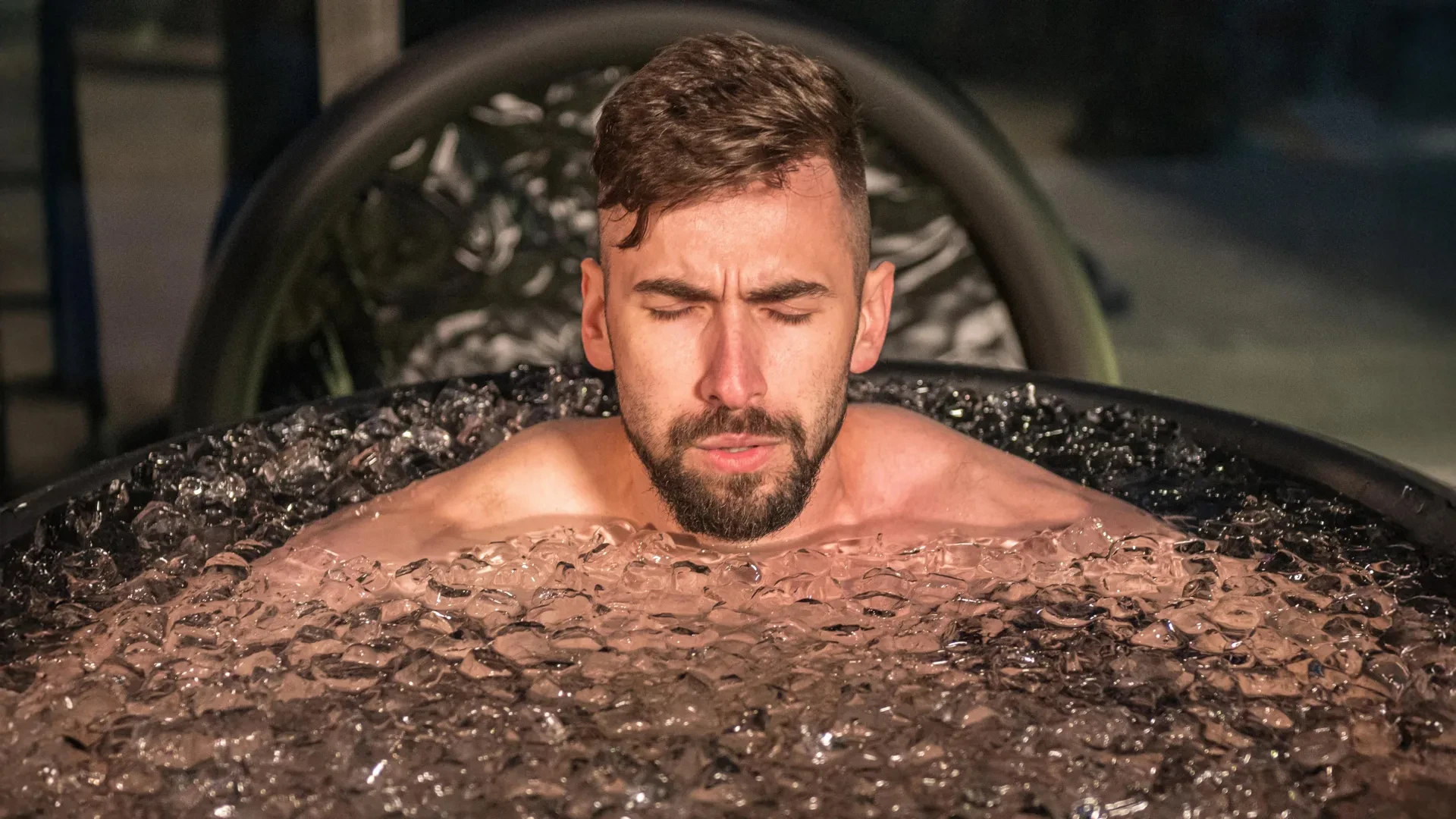
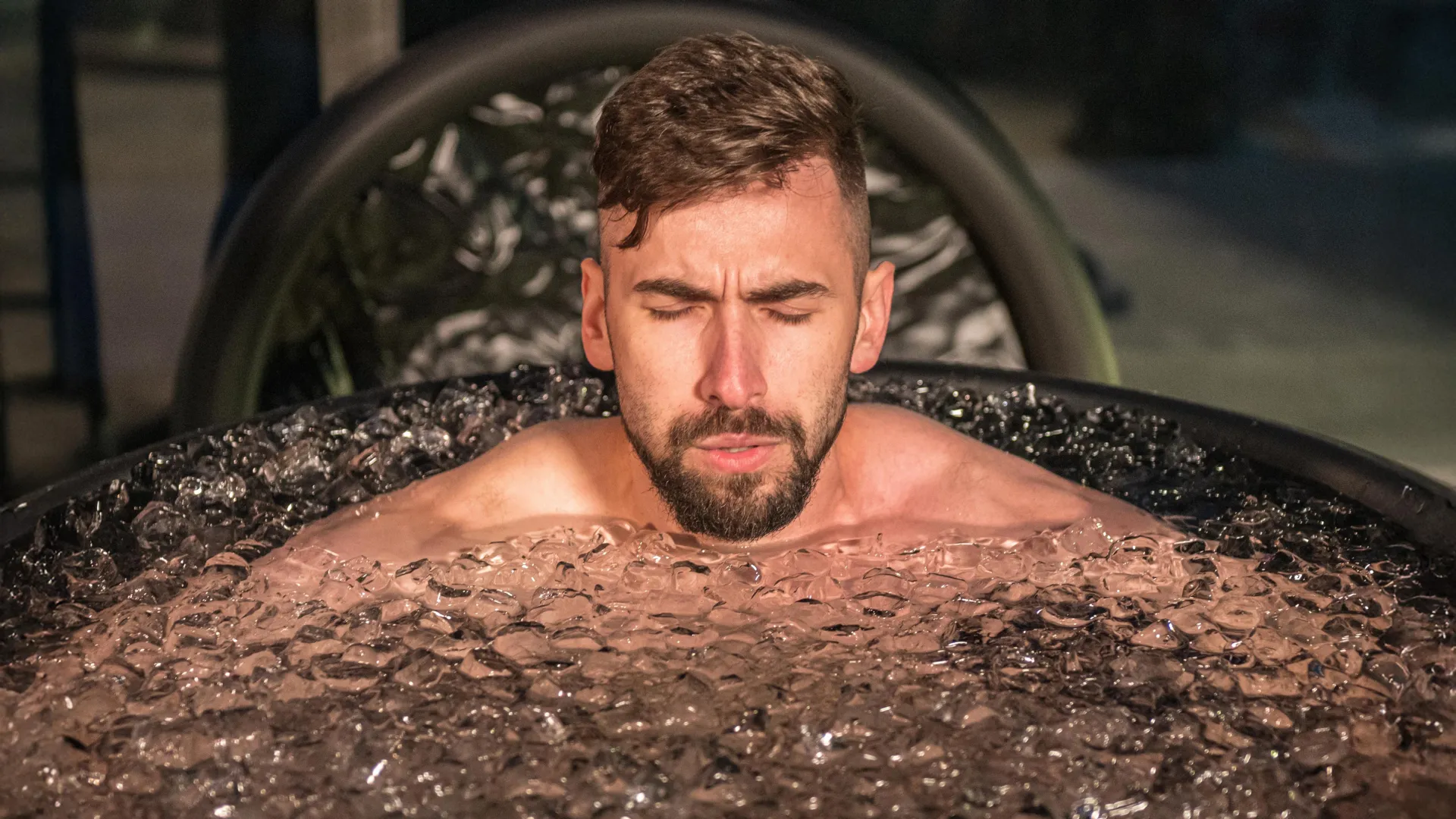
Among the most popular and discussed recovery modalities is the ice bath, or cold-water immersion. The practice involves submerging the body in water typically kept below 15°C. For decades, athletes have used this method to manage inflammation and fatigue, but modern research suggests that the efficacy of the cold plunge is a double-edged sword.
Proponents argue that the extreme cold helps manage the inflammatory response following intense exercise. Scientific evidence does support the idea that cold immersion can reduce perceived soreness and assist in regaining muscle function within a 24-hour window. By constricting blood vessels and reducing metabolic activity in the affected tissues, the body experiences a temporary, albeit significant, reduction in the inflammation that contributes to the "burn" of recovery.
However, there is a physiological catch. Inflammation is not merely a side effect of training; it is a critical component of the body’s adaptive process. When muscles are stressed, the subsequent inflammatory response is what triggers the cellular pathways necessary for hypertrophy and strength gains. By consistently dampening this response with regular ice baths, athletes may inadvertently blunt the long-term benefits of their training. If the goal is to build muscle mass or improve endurance, "side-stepping" the discomfort of inflammation may ultimately sacrifice the long-term gains that exercise is meant to elicit. Consequently, researchers often suggest that ice baths should be treated as a strategic tool, reserved for moments when rapid, short-term recovery is vital—such as during a tournament or a back-to-back training cycle—rather than as a daily habit.
Compression Garments: The Power of Perception
Similar to cold therapy, compression garments have migrated from clinical settings into the mainstream gym culture. These tight-fitting sleeves, socks, and shirts are designed to apply external pressure to the limbs, with the stated goal of supporting circulation and minimizing swelling. The prevailing theory is that by improving blood flow to the worked muscles, the body can clear metabolic waste products more efficiently.
While many users report a subjective decrease in soreness, the scientific consensus regarding their ability to physically speed up muscle recovery is significantly less convincing. A notable 2022 study sought to isolate the physiological effects from the psychological ones by testing compression gear against a placebo. In this trial, one group utilized actual compression garments, while another was given a placebo tablet and told it would be just as effective as the gear. The results showed that while the compression garments did indeed improve blood flow and circulation, the placebo group showed no such change, confirming that the physical effects of the garments are real.
Crucially, however, these physiological changes did not necessarily lead to improved functional outcomes. While the garments might make an athlete feel better or less sore, emerging data suggests they are unlikely to directly restore muscle function or accelerate the biological repair of muscle fibers. Thus, the primary utility of compression garments may lie in the comfort and perception of recovery rather than a measurable increase in athletic performance.
Massage and the Paradox of Discomfort
Massage therapy remains one of the few interventions with consistent scientific support regarding its ability to influence recovery. It is widely acknowledged that massage can reduce soreness and improve an individual’s perception of how well they have recovered after a strenuous bout of exercise. Despite its popularity, the exact mechanisms through which massage induces these benefits remain somewhat elusive. It is hypothesized that the physical manipulation of soft tissue reduces muscle stiffness, encourages local circulation, and provides a systemic calming effect on the nervous system.
Yet, there is a clear distinction between feeling "better" and actually performing "better." While massage is highly effective at easing the discomfort of training and improving the psychological state of the athlete, objective measures of muscle strength and power output remain largely unchanged in the wake of a session. The benefits are often described as modest and inconsistent when compared to baseline performance metrics. For the recreational athlete, this means that while a massage is an excellent tool for managing the discomfort of a hard week of training, it should not be viewed as a shortcut to restoring pre-exercise performance levels.
The Complex Landscape of Supplements
Perhaps the most aggressive marketing in the recovery sector is found within the supplement industry. With a vast array of brightly colored powders, pills, and drinks lining the shelves of health stores, it can be difficult for consumers to discern which products offer genuine utility and which are merely the beneficiaries of effective branding.
Whey protein is perhaps the most well-established of these supplements. As a complete source of amino acids—the building blocks of muscle tissue—it plays a direct role in stimulating muscle protein synthesis, the fundamental process through which the body repairs and grows muscle. Studies have shown that whey protein provides small-to-moderate benefits for recovery, though the evidence that it can specifically alleviate the sensation of muscle soreness remains inconsistent.
In contrast, Branch Chain Amino Acids (BCAAs), which typically focus on the amino acids leucine, isoleucine, and valine, have faced increased scrutiny. While they are marketed as the "on-switch" for muscle synthesis, research suggests they are less effective than complete protein sources. Because muscle repair is a complex process requiring the full spectrum of essential amino acids, consuming only three of them is inherently limited. Whole food sources such as lean beef, chicken, salmon, and plant-based staples like tofu provide a complete profile of amino acids, making them more efficient vehicles for recovery.
Newer entrants to the market, such as tart cherry juice, have also gained traction. Rich in polyphenols, which possess antioxidant and anti-inflammatory properties, tart cherry juice has shown promise in reducing muscle damage and soreness. While the field is still emerging, current evidence indicates that these compounds may offer small-to-moderate effects on soreness and could potentially assist in restoring strength following high-intensity exercise.
Omega-3 fatty acids, commonly found in fish oil, are also frequently championed for their anti-inflammatory potential. While some studies suggest they may help preserve muscle function, the results are far from consistent, and it is unlikely that they act as a "silver bullet" for recovery. A recurring theme in nutritional science is that these nutrients are best obtained through a balanced diet. Whole foods provide a matrix of nutrients that often work synergistically to support health in ways that isolated, processed supplements simply cannot replicate.
The Fundamental Approach to Recovery
When stripping away the marketing, the science points to a sobering reality: recovery cannot be bottled or sold in a package. While modern gadgets and supplements may provide minor, marginal gains or soothe the psyche, they are often no match for the foundational pillars of physiology. The most significant recovery interventions are, quite simply, the ones that cost nothing: adequate sleep, proper hydration, and a diet rich in whole, nutrient-dense foods. By prioritizing these basics, athletes can ensure that their recovery is built on a solid foundation rather than on the fleeting promises of the latest recovery trend. For those looking to maximize their performance, the path forward is not found in a pill or a cold plunge, but in the disciplined management of the body’s fundamental needs.